



Key Takeaways
- A major 900-unit apartment project in Portland is stalled due to lawsuits concerning water capacity, sparking fears of an impending rent increase.
- The city is falling significantly short of its annual housing goal, granting permits to only 500 units per year, leading to heightened competition for housing.
- Rising eviction filings and regulatory challenges threaten the balance of the community, with ongoing legal and financial disputes.
Challenges in Portland’s Housing Market
Portland’s housing market faces turbulence as water capacity lawsuits halt a major 900-unit apartment plan. The Waterfront Renaissance might see rent spikes as investors fear decreased supply.
With housing goals at 5,200 units per year, only 500 receive permits annually.
Competition for spots tightens in the Rose City. Developers warn; renters hold their breath.
Eviction filings rise. Regulatory hurdles endanger community balance. Legal and financial battles loom. Discover the potential impacts on future developments.
Legal Challenges and Developer Concerns Impact Housing Crisis
Though the Rose City’s skyline should be bustling with cranes, Portland’s apartment construction has plummeted to a perilous low, unseen in over a decade. The industry now faces a considerable hurdle that threatens to worsen the housing crisis: ongoing lawsuits over water capacity.
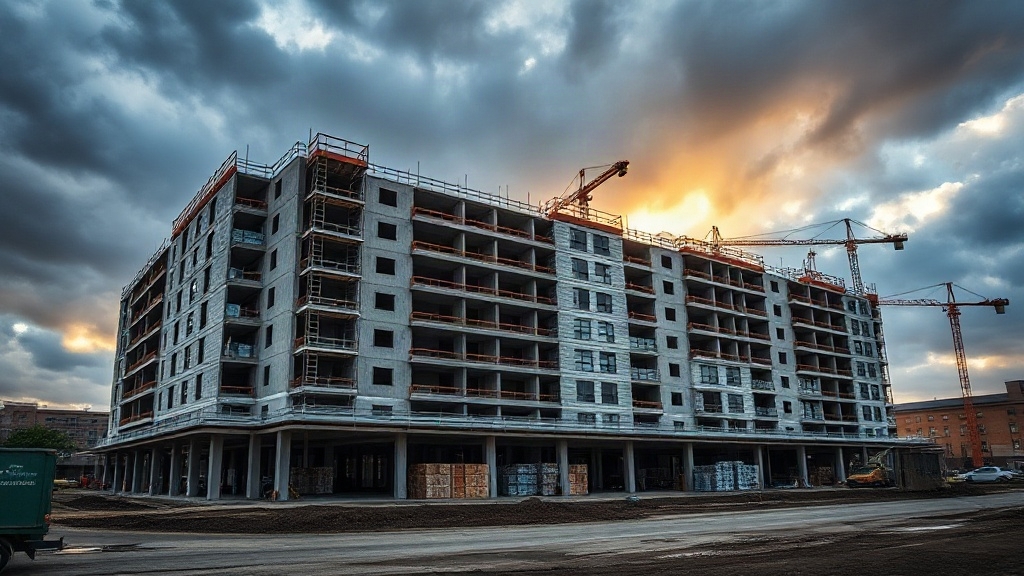
Portland developers planned a massive project including 900 apartment units, targeted to alleviate housing shortages. Yet, these plans are jeopardized by legal challenges centered on water capacity issues. Housing regulations intended to protect the environment are stalling the development, raising concerns among developers about the city’s capacity to support such growth. A situation reminiscent of Oakland arises, as tightening regulations such as these are indicative of cities prioritizing housing stability over market flexibility. Additional challenges emerge as land and property prices keep rising faster than wages nationwide, aggravating the situation in Portland. As the housing market grapples with unprecedented inventory, Portland’s stalled construction adds to the national housing challenges. Many U.S. renters are dedicating a large portion of their income to rent, exacerbating housing affordability stresses.
The impact of this legal gridlock reaches far beyond construction delays. Real estate investors and stakeholders apprehend a looming rent spike. This fear is fueled by the decreasing apartment supply, paving the way for heightened competition and potential price surges. In Nob Hill, a historic neighborhood known for its vibrant community, such a shift could upset a delicate balance between supply and demand. In a broader market context, the surge in eviction filings illustrates a post-COVID rental economy unraveling, adding additional pressures on cities like Portland.
Portland’s housing regulations are under scrutiny as the city grapples with funding for its essential services. Proposals to waive infrastructure fees aim to boost housing construction, yet these come with their own set of challenges. These fees, key to city revenue, contribute to maintaining transportation and parks, critical components of urban life. The suspension of these fees remains pending approval from the Portland City Council.
Compounding the situation, budget shortfalls loom large. Revenue from suspended development fees, known as SDC fees, could greatly impact city finance. The losses from these fees affect vital infrastructure projects, casting a shadow over Portland’s plans for sustainable development. City officials argue that these short-term losses will eventually turn into long-term gains, but this remains to be seen.
The legal battles regarding water capacity have highlighted the infrastructural bottlenecks Portland faces. They underscore the city’s struggle to meet its annual housing goals, which aim for about 5,200 new units. Despite these aims, projections indicate a markedly lower output, with permits amounting to only about 500 annually. This stark reality raises concerns about Portland’s ability to manage its anticipated population growth.
For Portland’s vibrant Pearl District, the situation exemplifies a broader trend. Neighborhoods known for their unique character and cultural vibrancy fear losing those attributes in the face of mounting rent pressures. The threat of rising rents looms ominously, akin to storm clouds casting a shadow over the City of Roses.
Gov. Tina Kotek’s prioritization of increasing housing supply is crucial as Portland’s response to water capacity issues, housing regulations, and associated legal hurdles will shape its real estate terrain for years to come. Developers and investors alike watch anxiously, aware of the delicate interplay between these factors and the city’s future. The clock ticks on, and Portland’s housing crisis deepens, leaving many to wonder how the city will steer through these turbulent waters.


Assessment
So, Portland’s decision to pump the brakes on the 900-unit apartment project is really shining a light on our housing trouble, isn’t it? The Hawthorne Bridge might just start feeling like it’s watching over a rent storm brewing.
Investors are caught in a real nail-biter with demand going through the roof and not much supply to go around. The court cases aren’t helping, clouding our otherwise lively neighborhoods with a smudge of uncertainty.
If we don’t get our act together and improve the water capacity, Portland might find itself in a bit of a housing pickle. This situation is ringing alarm bells, and it’s high time we figured something out to dodge a real estate mess.
Let’s rally up some creative minds and tackle this, folks—Portland’s future could really depend on what we do next.


















4 Responses
Interesting, but I think were missing the point. Shouldnt we be focusing on sustainable living instead of rampant urbanization? Food for thought.
Wow, seems like Portlands just punishing renters with these lawsuits. Maybe the real issue is mismanagement of water resources? Just a thought.
Isnt it ironic that by trying to protect water resources, Portland may inadvertently exacerbate the housing crisis? Whats the greater evil here? #PortlandHousingCrisis
Water scarcity can lead to uninhabitable conditions. No water, no housing! #PortlandWaterCrisis