


Key Takeaways
- Atlanta foreclosures have doubled in Q2 2025, signaling significant distress in the housing market.
- Economic pressures, rising debts, and increased eviction filings are aggravating the situation, leading to more distressed auctions.
- Rising housing inventory is pulling down property values, presenting both risks and opportunities for investors.
Foreclosure Surge in Atlanta: Navigating the Challenges and Opportunities
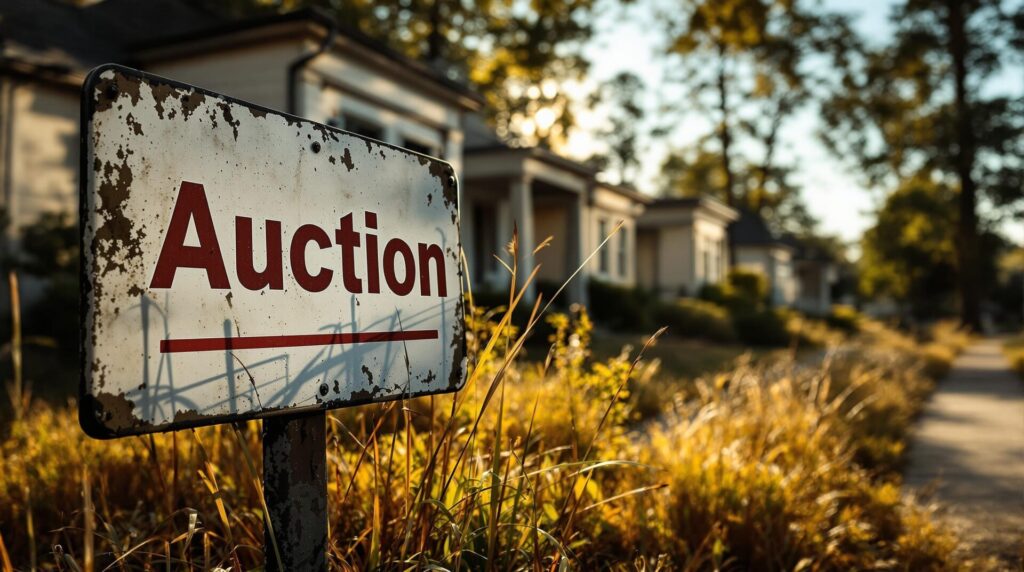
Foreclosures in Atlanta have skyrocketed, doubling in the second quarter of 2025. Investors are bracing for a wave of distressed auctions across neighborhoods like Old Fourth Ward. Increasing economic pressures, rising consumer debts, and surging eviction filings intensify the local situation.
Housing inventory rises but pulls property values down. The changing dynamics pose risks and opportunities. With foreclosures mounting and uncertainties looming, stakeholders must steer through the turbulence. Future insights reveal more strategies.
Surging Foreclosures Redefine Atlanta Housing Market
In a dramatic turn of events, Atlanta foreclosures have surged, doubling in the second quarter of 2025. This alarming increase reflects a broader national trend, with foreclosure filings up 13.9% year-over-year by April. Amidst this turmoil, the housing trends in Atlanta reveal underlying foreclosure causes.
Economic pressures remain a vital factor. Persistent economic challenges, coupled with high consumer debt levels, have contributed to escalating foreclosure rates. The city’s housing market, once vibrant and stable, now faces a stormy outlook as inventory levels rebound from historic lows.
Elevated mortgage rates have compounded affordability issues for many households, exacerbating foreclosure risks. Notably, Atlanta experienced a significant spike with 213 completed foreclosures recorded in April 2025, a testament to the growing auction wave in metro neighborhoods.
Housing inventory in Atlanta has increased, offering more choices for potential buyers. Yet, this influx of properties may not be as positive as it appears. Rising foreclosures exert downward pressure on housing prices, destabilizing neighborhoods. Investors eye opportunities in areas like Old Fourth Ward, readying for a wave of distressed property auctions.
Eviction filings in Atlanta have also surged by 88%, further highlighting the city’s strained housing market. In Midtown, a bustling epicenter of activity, the effects ripple through the community.
Neighborhood dynamics face alteration as distressed sales proliferate. Previously sought-after areas encounter changes in property values, reshaping the environment. The suburban market potential is also being scrutinized, as these areas provide both risks and opportunities for investors. This sharp rise in foreclosures is also seen in key regions such as Las Vegas and Phoenix, which are experiencing significant mortgage distress.
National foreclosure trends also influence local conditions. Across the U.S., foreclosure starts and completions rise, adding to Atlanta’s woes. Local economic conditions play a unique role, potentially worsening outcomes. The interplay of national and regional factors creates a unique challenge for Atlanta’s real estate market. Policy and regulation impact these foreclosure causes considerably. Government policies shaping mortgage lending and relief programs directly affect foreclosure rates.
Interest rate fluctuations further compound the issue, influencing mortgage affordability. As rates rise, so too do the struggles of homeowners in maintaining loan commitments.
With Beltline developments surrounding them, investors sense both danger and opportunity. The potential for renovation and rental income appeals. Yet, they face risks associated with purchasing and managing distressed properties. Market research becomes vital in charting these volatile waters.
Atlanta’s housing market has shown resilience previously. Yet it now grapples with the impact of rising foreclosures. Long-term implications on the housing market depend on addressing economic challenges effectively. Investors, wary of market volatility, carefully consider their next moves.
Short-term forecasts depict continued foreclosure activity escalation. Local policymakers and industry players must remain vigilant, adapting strategies to counteract negative trends. The urgent need for strategic adjustments looms large. As Peachtree neighborhoods watch, homeowner uncertainty grows.
The specter of foreclosure looms, affecting lives and livelihoods. Emotionally charged challenges arise, reshaping futures. Market volatility, fueled by foreclosure trends, influences property values and investor decisions. The path forward remains uncertain, with each move carefully scrutinized. For Atlanta, the road ahead is fraught with challenges and potential rewards.
As real estate stakeholders maneuver this tumult, understanding the nuances of these housing trends becomes paramount. The urgency of the situation demands attention and swift action.
Assessment
Foreclosures in Atlanta are doubling like cars on Peachtree Street during rush hour, putting everyone on edge.
Investors are casting a worried eye from Buckhead to Decatur, bracing for what’s next.
With the potential rise in distressed sales, the real estate market feels like it’s on the brink of big changes.
Sure, there could be opportunities, but let’s not kid ourselves—the risks are no small potatoes.
Stone Mountain stands as a silent witness to these twisty-turns, as the pressure mounts for strategic decisions.
Now’s the time for industry players to roll up their sleeves and act fast to navigate these troubled waters.





















11 Responses
Isnt this just a real estate version of the dotcom bubble? Maybe we should invest in tents instead of houses now! 🤣🏕️💸
Well, maybe Atlanta should stop building luxury condos and focus on affordable housing? Just a wild thought. 🏚️🤷♂️#housingcrisis #atlantaforeclosures
While I get the investor panic, arent these foreclosures a golden opportunity for first-time buyers? Atlantas gentrification isnt all bad, right?
Surging foreclosures, huh? Maybe its time Atlanta rethinks about affordable housing instead of catering to investors. Just food for thought. 🤷♂️
Or maybe its time people start living within their means. 🤔 Ever considered that?
Interesting read, but arent these foreclosures simply a correction of the inflated housing market? Maybe its time we redefine distress in real estate.
Isnt this just an opportunity for savvy investors? Distressed properties can be a goldmine if managed properly. Its not all doom and gloom, folks!
Atlantas foreclosure spike might actually be a blessing. Cheaper properties mean new investors, rejuvenation in neglected areas! #silverlining #urbangentrification 🏘️
Really? Double foreclosures? Maybe its time we stop treating homes like Wall Street commodities. Just a wild thought.
Maybe Atlantas foreclosure surge is a hidden blessing. Could this be the shake-up the housing market needs for a fresh, affordable start? Just a thought.
So, are we just ignoring the potential gentrification issue here? Or is it all about investors making a quick buck? Just curious.