



A Visionary’s Final Chapter: Canizaro’s Legacy in Metairie
Innovation and foresight defined Joseph Canizaro’s transformative impact on Metairie’s commercial environment.
He left an indelible mark on the suburban corridor of Greater New Orleans.
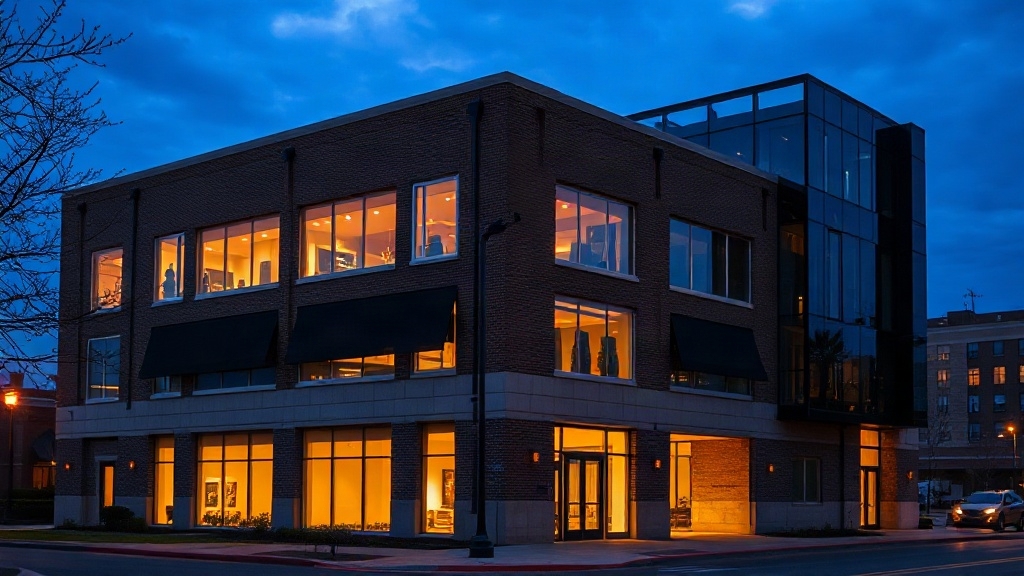
His strategic Metairie investments catalyzed unprecedented growth. Modernizing office spaces attracted major regional businesses to the area.
Property values surged as national and regional brands established a presence in his developments. Through calculated community collaborations, Canizaro worked alongside local authorities.
He enhanced infrastructure while supporting schools and community centers. Canizaro’s mixed-use developments became benchmarks for efficient urban-suburban planning.
The developer’s vision extended beyond mere construction. It nurtured a robust business ecosystem that bridged downtown and suburban markets. His projects exemplified how industrial real estate can offer high-yield potential, stability, and long-term growth.
His experience leading First Bank and Trust strengthened financial connections throughout the region.
His projects consistently demonstrated a prescient understanding of market trends. He implemented innovative solutions before widespread adoption.
Canizaro’s influence remains evident in Metairie’s continued economic vitality. His developments serve as foundational pillars of the region’s modern commercial environment.
Reshaping Downtown: The Projects That Transformed New Orleans
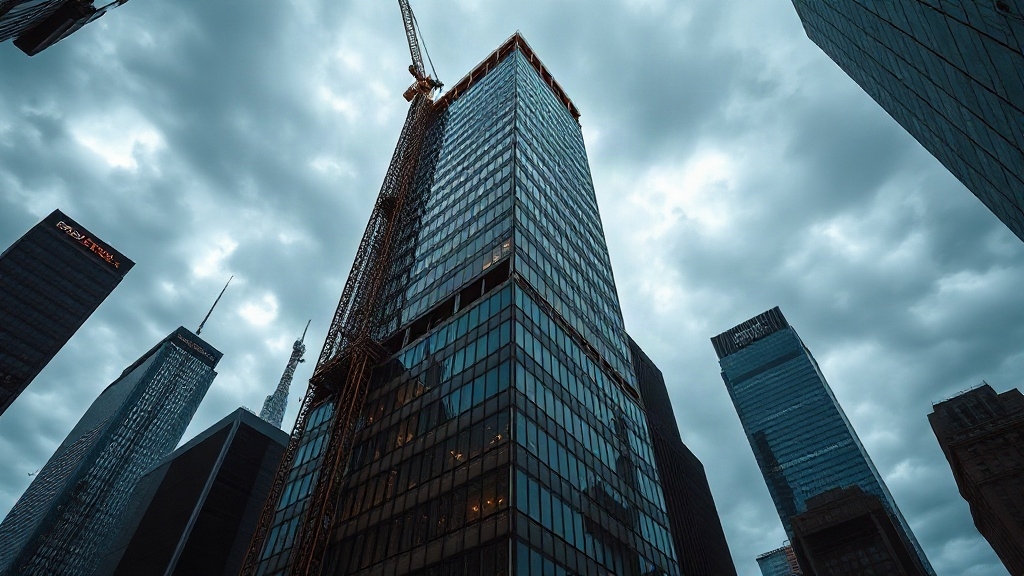
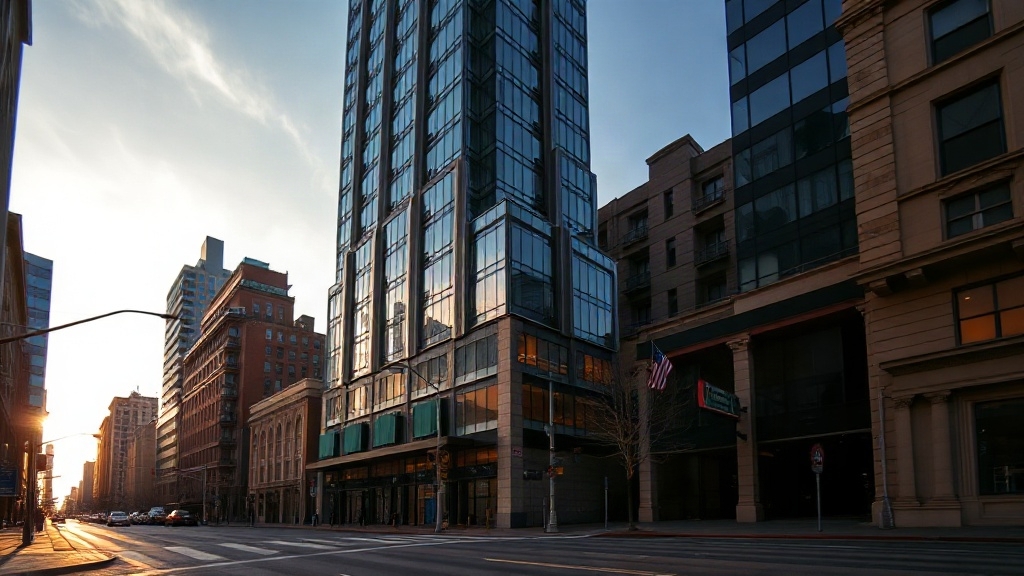
While Canizaro’s vision transformed Metairie’s commercial environment, his most profound impact emerged through ambitious projects. These efforts reshaped downtown New Orleans’ skyline and economic trajectory.
The establishment of the Downtown Development District in 1974 marked a pivotal shift. It created the nation’s first assessment-based business district dedicated to downtown renewal. This emphasis on urban revitalization attracted younger populations and fueled economic growth in the area.
A cornerstone of this transformation manifested in the historic Warehouse District. Here, adaptive reuse projects converted 19th-century industrial buildings into vibrant mixed-use spaces.
These developments meticulously preserved architectural heritage. They also integrated modern amenities, from rooftop bars to shared social spaces.
The strategic timing of project completions coincided with major cultural events, following the pattern of public housing developments that had similarly shaped the city’s landscape in 1941 and 1942. This maximized economic impact and visitor engagement.
This thorough approach to urban renewal established a blueprint. It preserved historical elements while promoting contemporary commercial and residential growth.


Beyond Buildings: Banking and Community Impact
Beyond providing physical structures, the synergy between banking institutions and major corporations fundamentally transformed New Orleans’ economic environment. This was accomplished through strategic partnerships and community investments.
Major companies like Entergy New Orleans demonstrated economic resilience. They invested $3.7 billion in development projects, generating $269 million in household earnings within the city.
Financial institutions strengthened community funding initiatives. They offered targeted products for housing affordability and supported infrastructure improvements tied to events like Super Bowl 59.
The banking sector’s strategic involvement extended beyond traditional lending. They facilitated vital mergers that consolidated resources amid rising interest rates and inflation pressures.
Corporate investment in workforce development and educational partnerships created sustainable pathways for local talent. Entergy’s operations alone supported 3,930 local jobs and contributed to $500 million in annual local sales.
The Lasting Mark: Cultural and Economic Growth
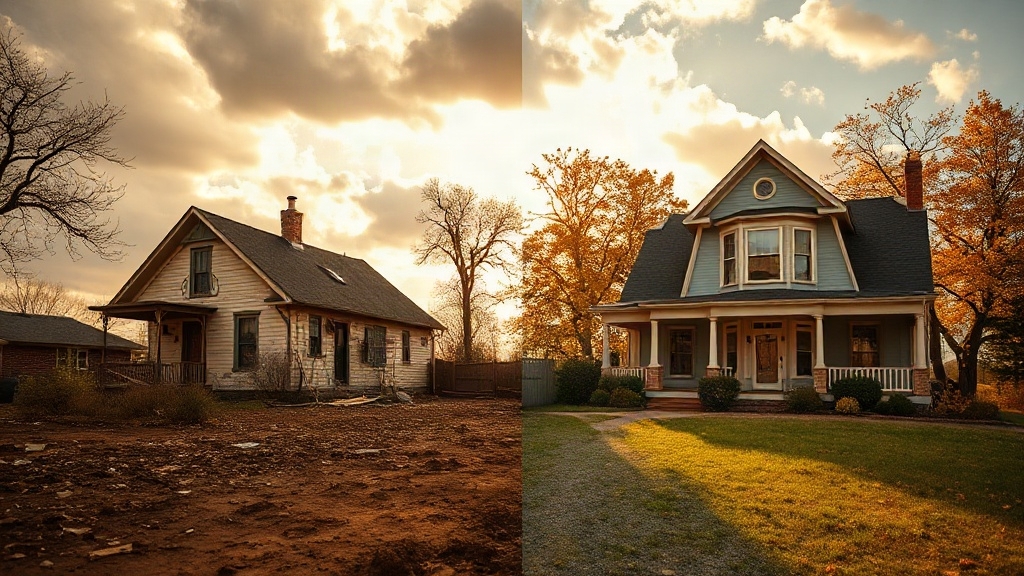
Since Hurricane Katrina’s devastating impact in 2005, New Orleans has undergone a remarkable transformation. By 2015, the city recaptured 86% of its pre-storm population.
This cultural renaissance features young professionals and creative talent reshaping the city’s identity. They manage to preserve its historic character while innovating.
Urban revitalization extends beyond physical reconstruction. New Orleans emerges as a hub for innovation and technology alongside its tourism base.
Key developments include a 13.7% population growth between 2010-2018. The city’s population reached 391,006 residents during this period.
One-fourth of current residents arrived post-Katrina, driving demographic renewal. Downtown occupancy rates hit 94%, showcasing market demand.
Average rents increased over 35% since 2010, reaching $1,414 monthly. This growth positions New Orleans as a model for post-disaster recovery.
New opportunities in knowledge-based industries and creative enterprises have emerged. The city continues to navigate cultural and economic growth. Real estate investors must be mindful of legal compliance and ethical practices to capitalize on these opportunities effectively and sustainably.
Assessment
Joseph Canizaro’s transformative vision permanently altered New Orleans’ architectural and economic terrain.
His signature developments, from Place St. Charles to the Energy Centre, stand as enduring monuments to calculated risk-taking and urban innovation.
Beyond steel and glass, his influence on banking and community development created lasting reverberations throughout the Gulf South.
Canizaro’s legacy lives on through the skyline he crafted and the economic framework he helped establish.

















7 Responses
Sad to hear about Canizaros passing. But honestly, did his projects really improve NOLAs culture or just line his pockets? Lets debate.
Sad to hear about Canizaros passing, but were his skyline projects truly transformative or just glorified gentrification? Lets not sugarcoat his legacy.
Sad news about Canizaro. But honestly, did his projects really serve the community or just his bank account? Just throwing it out there.
Perhaps we should remember Canizaros contributions instead of questioning his motives posthumously.
Sad about Canizaro, but did his projects really improve NOLA or just line his pockets? Who really profits from development? Food for thought, folks.
Canizaros projects revitalized NOLA, not just his pockets. Development benefits everyone not just the profiteers!
Sad to hear about Canizaros passing. But why didnt he invest more in affordable housing instead of just changing skylines? Just a thought.