



Challenges in Industrial Speculative Development
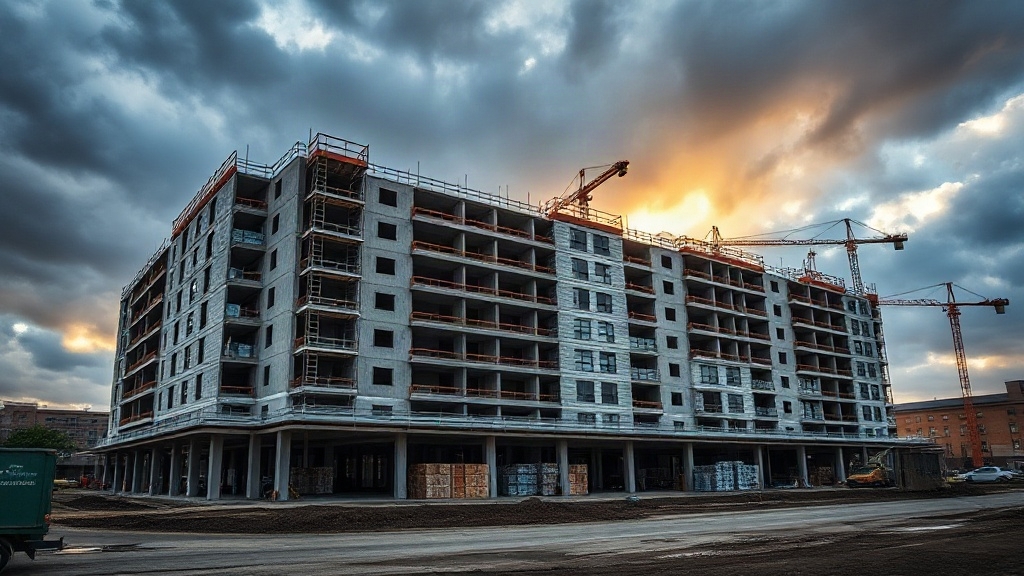
Industrial speculative development faces significant turbulence. Rising tariffs on steel and equipment have escalated construction costs by approximately 5%. This places projects in uncertain territory as budgets are squeezed. Margins diminish, making it challenging for developers. Developers face construction delays. Supply chain disruptions extend delivery schedules for essential materials like steel. Many speculative projects are paused. They require pre-leasing commitments to proceed. Furthermore, the Port of Los Angeles reports a 35% drop in arriving cargo vessels by May 2025, exacerbating supply chain issues. The industrial pipeline has contracted markedly. The construction footprint has shrunk from over 400 million to about 300 million square feet. Speculative developments now depend on significant sponsor equity. Pre-leasing risk mitigation is crucial to proceed. Project timelines extend amid supply chain obstacles. Elevated interest rates and persistently high mortgage rates further intensify financial risks. This cools speculative build enthusiasm. It’s happening despite steady demand from certain market segments. Challenges in industrial speculative development deepen. Constraints tighten across various fronts.
Residential Construction Trends in a Shifting Market
The industrial challenges underscore a broader narrative of disruption in Des Moines’s residential construction market. Recent data highlights a shifting environment marked by evolving buyer behavior and housing affordability concerns. The city now sees new construction homes making up 48% of listings in early 2025. This reflects a trend toward more resale options. Even though there was a steady 24% share of new builds in 2024 home sales, rising costs are troubling affordability. The average sale price for new homes soared 30% since 2019, reaching $449,000 in 2024. The calculated increase in housing prices mirrors broader demographic shifts, typically observed in markets catering to the aging Baby Boomer population. This price hike has caused monthly principal and interest payments to increase by 80%. Such financial burdens are significant for potential buyers. In response, builders are turning to cost-effective solutions. New construction homes represented 48% of available listings in February 2025, signaling a shift influenced by the increase in resale listings. Options like smaller-scale townhomes and condominiums are gaining focus. By honing in on essentials, the goal is to keep housing attainable. This is crucial amid persistent inflation and high material tariffs. These changes signal profound market adjustments. Tighter credit and economic uncertainty are driving this evolution in Des Moines’s real estate.


Financial and Economic Pressures on Builders
As financial and economic pressures rise, Des Moines builders face the challenge of soaring interest rates impacting their bottom line.
Increased borrowing costs and stricter lending standards are greatly affecting builder profitability.
Financial forecasting is now critical as developers assess project feasibility amid tightened credit conditions and higher equity requirements.
These constraints have led to reevaluations and delays in speculative construction activities.
Builders must also be mindful of rising defaults in other key markets, which could signal further challenges for Des Moines if similar trends emerge.
There is a shift toward projects with lower risk profiles.
Loan underwriting now demands stronger financial metrics and risk management practices.
Higher debt service burdens, alongside volatile material prices, are compressing returns.
These factors complicate budgeting exercises.
As banks exercise caution, lending constraints intensify risk considerations.
This precarious economic setting is driving developers to recalibrate strategies.
There is a noted reduction in speculative involvement, with a focus on secured ventures.
This climate demands heightened adaptability and precision in financial planning.
Developers must navigate the challenges posed by evolving market conditions.
City Planning and Development Strategy Adjustments
City planners in Des Moines are executing a methodical recalibration of development strategies. This effort directly addresses the looming uncertainty in speculative real estate ventures.
This shift responds to urban growth dynamics. Planners are employing strategic partnerships and focused revitalization methods.
The Neighborhood Revitalization Framework is centered on Special Investment Districts (SIDs). It targets seven neighborhoods through 2025.
Emphasizing community-driven leadership and infrastructure improvements, this plan is pivotal. The collaboration with Invest DSM and its $50M backing underscores this commitment.
- Neighborhood Branding and Leadership: Resident involvement and identity development are encouraged.
- Targeted Housing Projects: Deliberate planning addresses housing needs.
- Partnership-driven Implementation: Expertise and resources are leveraged for effectiveness.
- Investment in Economic Development: Reflects a long-term vision for economic resilience.
Des Moines’ Thorough Planning and Housing Policy updates focus on inclusive planning. These updates align with affordable housing efforts and housing market adaptability.
Assessment
The speculative build pause in Des Moines signals a significant recalibration in the construction sector. This occurs amid tightening credit markets.
Builders now face heightened scrutiny in a fluctuating financial environment. There’s an urgent need to strategize under economic pressures.
Residential construction trends pivot to meet shifting demands. This shift compels city planners to reassess urban strategies.
The pause reflects broader market uncertainties. Such uncertainties urge proactive adaptations by stakeholders.
As economic and regulatory contexts evolve, securing sustainable development trajectories becomes essential for the future.



















4 Responses
Isnt it ironic how credit tightening halts speculative builds, yet we keep pumping money into a shaky housing market? Talk about misplaced priorities!
I dont buy it. Why not leverage tighter credit to rethink urban planning? Maybe its time for more sustainable, less speculative building strategies.
Does anyone else think this credit tightening is just an excuse for poor city planning and development strategies in Des Moines?
Is it just me or are these builders using credit tightening as an excuse for their poor planning skills? Just a thought.