


Evolving Housing Developments and Urban Growth
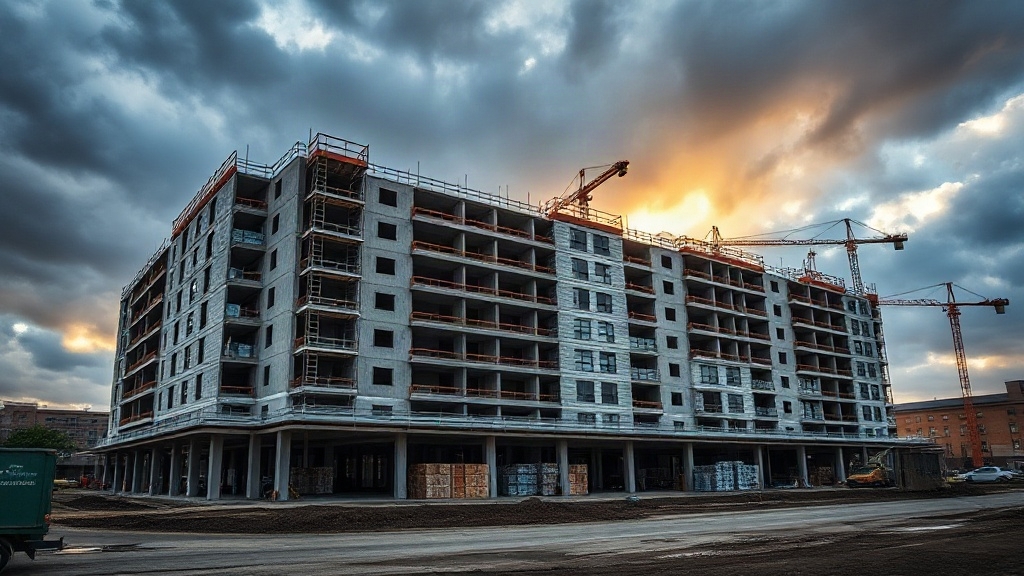
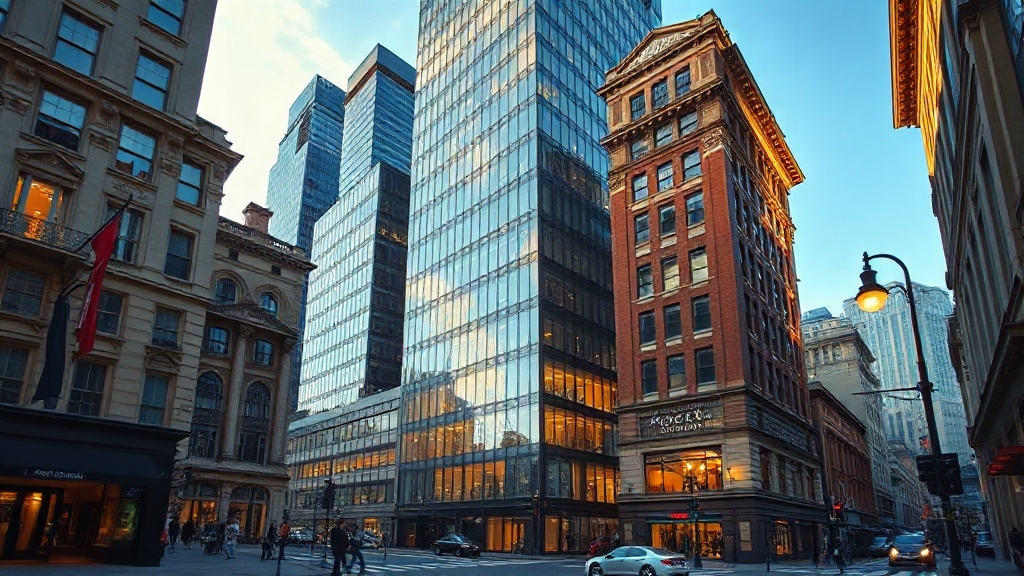
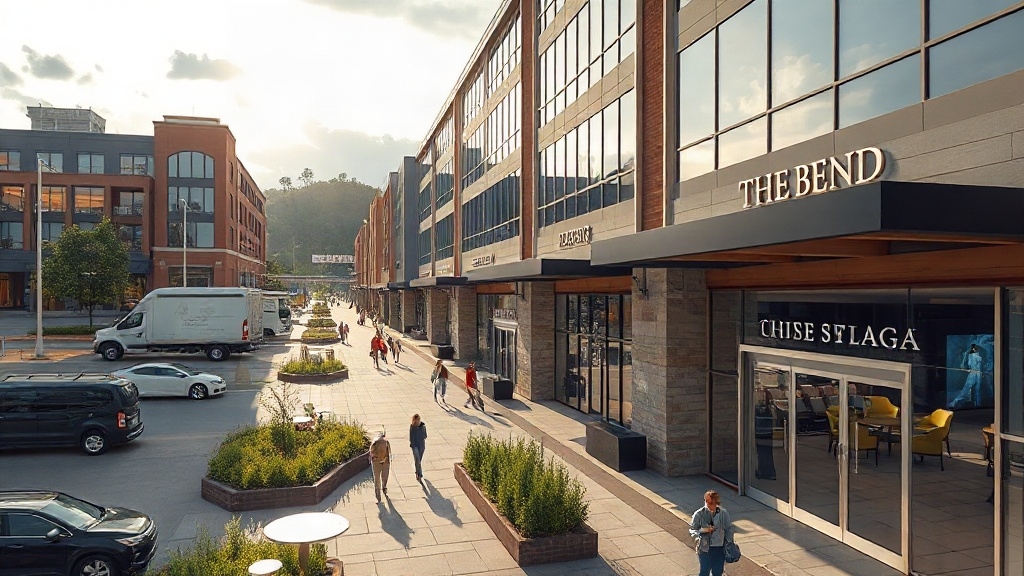
As Frisco undergoes transformative change, the city’s housing developments signify a significant shift in urban planning strategies. Innovative mixed-use projects such as The Mix and HALL Park illustrate the city’s commitment to integrating residential diversity with commercial and recreational spaces. These developments harness mixed-use benefits by creating walkable environments that are both vibrant and sustainable. Frisco’s approach facilitates a blend of high-end luxury estates and more accessible housing options. This strategy attracts a diverse range of residents. The increase in multifamily units within these projects particularly contributes to urban growth by offering essential rental opportunities. While North Texas’ growth dynamics fuel strong demand, Frisco’s strategic focus on diverse, mixed-use developments positions the city advantageously for the future. In particular, Fields West is expected to generate over $400 million annually in sales and purchases once the development is complete.
Infrastructure and Traffic Management Challenges
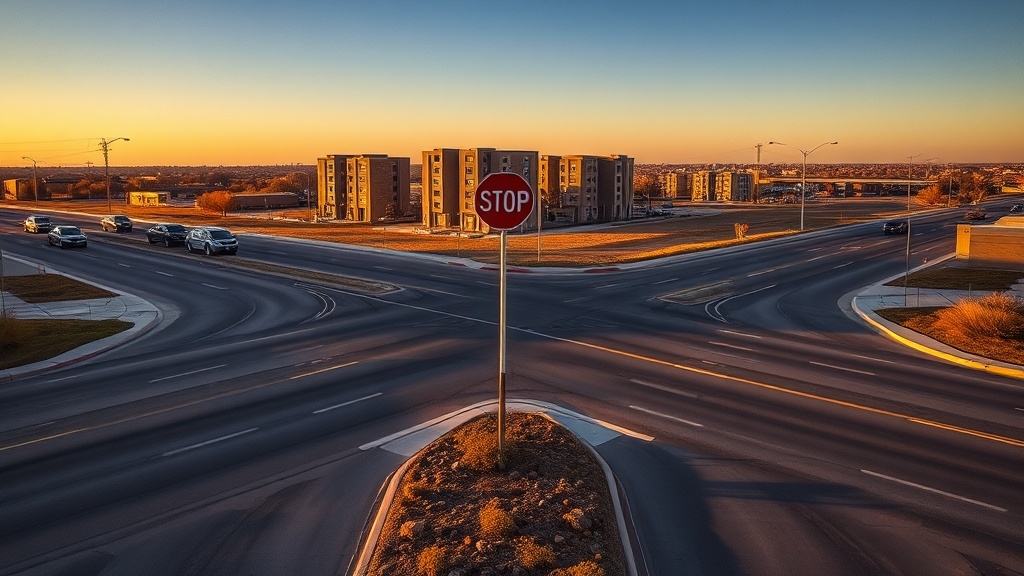
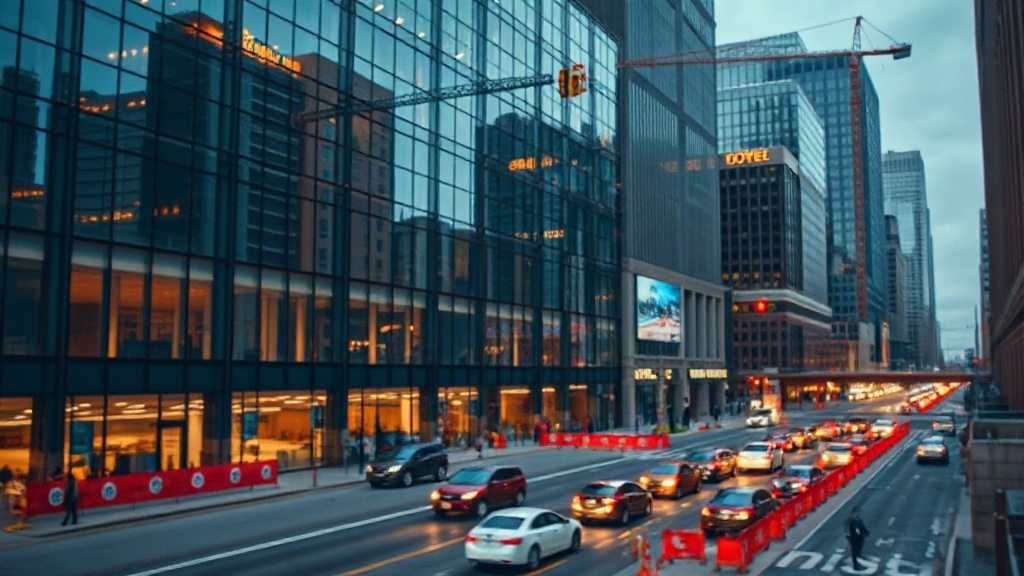
Infrastructure strains under the weight of Frisco’s relentless growth. This poses intimidating traffic management challenges. Massive roadway expansion projects are underway to address congestion issues. However, these efforts bring temporary disruptions. The Dallas North Tollway faces ongoing lane closures. This is part of the $201 million northern corridor venture, finishing in 2025. Traffic signalization upgrades play a critical role. They aim to alleviate bottlenecks. Snapshots of the challenges include lengthy commutes. Despite expansions, congestion remains burdensome. Temporary closures impact daily lives. Infrastructure demands continue to outpace supply. Strategically coordinating these efforts is imperative. City officials anticipate that the new mixed-use project will generate half the traffic compared to the original plans associated with the Lesso Mall, potentially easing some of these concerns for Frisco’s expansion. This will help Frisco adapt its infrastructure to the city’s rapid expansion.


City Planning and Affordable Housing Efforts
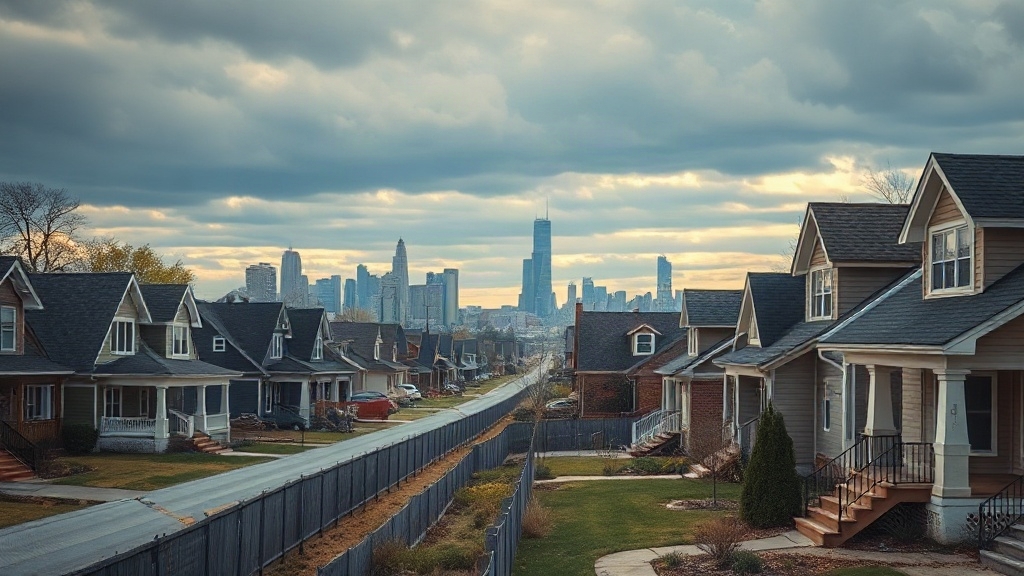
Frisco’s rapid growth underscores the urgent need for strategic city planning. This highlights the city’s ambitious efforts in affordable housing. The PY 2025 Annual Action Plan in Frisco allocates CDBG funds specifically for affordable housing. These efforts focus on low to moderate-income areas. Initiatives prioritize housing rehabilitation and workforce housing. They target gaps identified by a 2023 Summit County Housing Needs Assessment. Community engagement is pivotal in shaping strategies. This ensures inclusivity and effectiveness in the planning process. A Strategic Housing Plan, approved in 2024, emphasizes partnerships. It also focuses on investment in 18 potential housing sites. Approximately $188 million is earmarked for long-term housing goals. This showcases a strong commitment to sustainable community development and fair housing practices. The expanded review zones instituted by the U.S. Treasury Department may influence foreign investment decisions related to real estate development in sensitive areas.
Economic Expansion and Future Outlook
The city of Frisco accelerates its economic growth with a remarkable 10.2% surge in 2024. This sets a dynamic pace for development and opportunity.
Frisco Economic Development Corporation backs 26 business projects, sparking optimism in market trends. Private capital investment has soared past $1.5 billion. Business incentives in the city have resulted in over 4,000 new job roles.
Investors feel optimistic about the future due to several factors:
- Technological advancements are drawing in innovative companies.
- Strong business incentives create fertile soil for investment.
- Commercial leasing thrives with low office vacancy rates.
Joining forces through investment groups can enhance the collective ability to take advantage of the thriving economic conditions in Frisco.
These trends highlight Frisco’s rise as a bustling economic hub.
The future looks to maintain momentum with strategic growth and appealing business infrastructure. This ensures a vibrant business ecosystem for decades.
Assessment
As Frisco’s housing project adapts and evolves, persistent traffic concerns highlight the intricate balance between urban growth and infrastructure capacity.
Stakeholders remain committed to addressing these challenges, seeking to balance the city’s rapid economic expansion with sustainable development.
The ongoing adjustments and planning efforts reflect a broader struggle to meet the growing demand for affordable housing while maintaining quality of life.
As Frisco navigates these pressing issues, the results will significantly influence its future urban landscape and economic outlook.



















6 Responses
Interesting read, but isnt it wiser to focus on improving public transport before expanding housing? Just food for thought. #trafficchaos
Feels like Friscos trading affordable housing for traffic nightmares. Expansions good, but whats the point if no one can get around? #FriscoFiasco
Interesting, but how about considering vertical construction for Frisco? Saves space, reduces traffic. Just a thought. #ThinkVertical #UrbanPlanning
Vertical? Lets not turn Frisco into another claustrophobic concrete jungle. #KeepFriscoGreen #NoMoreSkyscrapers
Altering plans wont solve traffic issues. Has anyone thought about encouraging remote work to reduce congestion? Plus, is this housing really affordable?
Just read about the Frisco project. Why does urban growth always mean traffic nightmares? Cant they plan better? Affordable housing shouldnt mean unlivable cities!