



Challenges Faced by the Orlando Land Trust
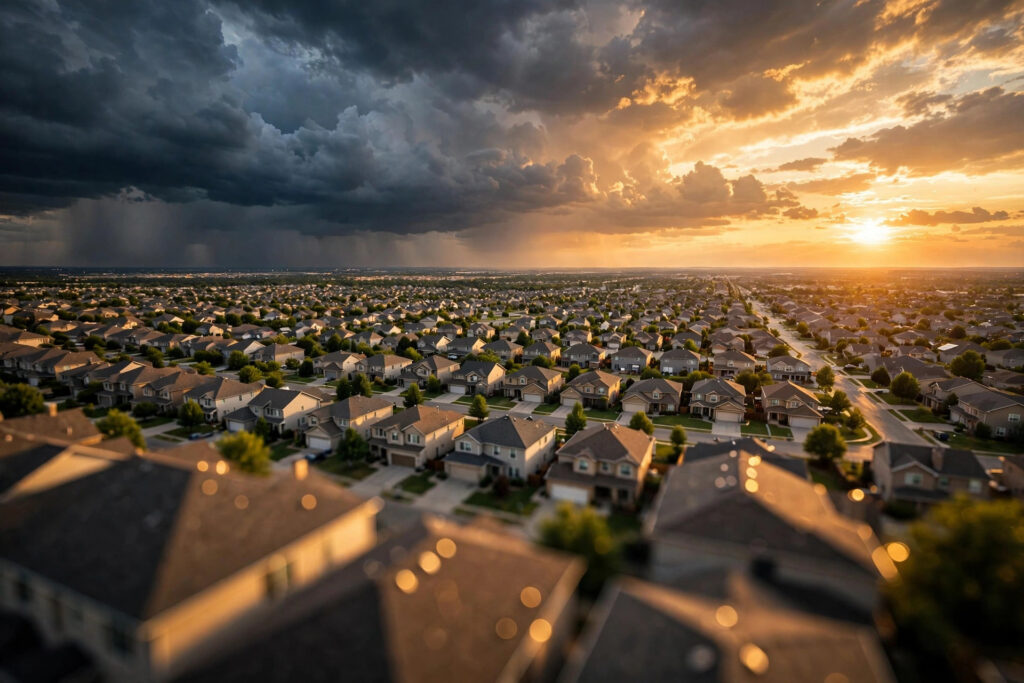
The financial terrain for Orlando Land Trust has been fraught with instability. This has presented a myriad of challenges that hinder operational effectiveness. Historical precedents of land value decline have worsened the situation. The Florida land boom bust of the 1920s and the severe housing price collapse from 2007-2011 are key examples. Notably, the Florida land boom was driven by economic prosperity in the 1920s, which parallels the challenges faced by the trust as it struggles with land value volatility. Additionally, the rise in foreclosure filings in Orlando has created a backlog that could exacerbate the issue further, straining the local real estate market. These challenges intensified as property values plummeted. This impacted the ability to develop and maintain affordable housing. Funding difficulties persisted, with the trust heavily reliant on donor contributions. City partnerships also play a crucial role in their financial structure. Resource limitations have further stifled growth and preservation efforts. This has made it hard to achieve long-term goals. Amid economic fluctuations, maintaining a stable financial foothold remains elusive. Supporting community development becomes even more challenging under these conditions. The scarcity of affordable housing pressured the trust significantly. The competitive real estate market, dominated by luxury projects, adds to these challenges.
Demolition Setbacks and Community Reactions
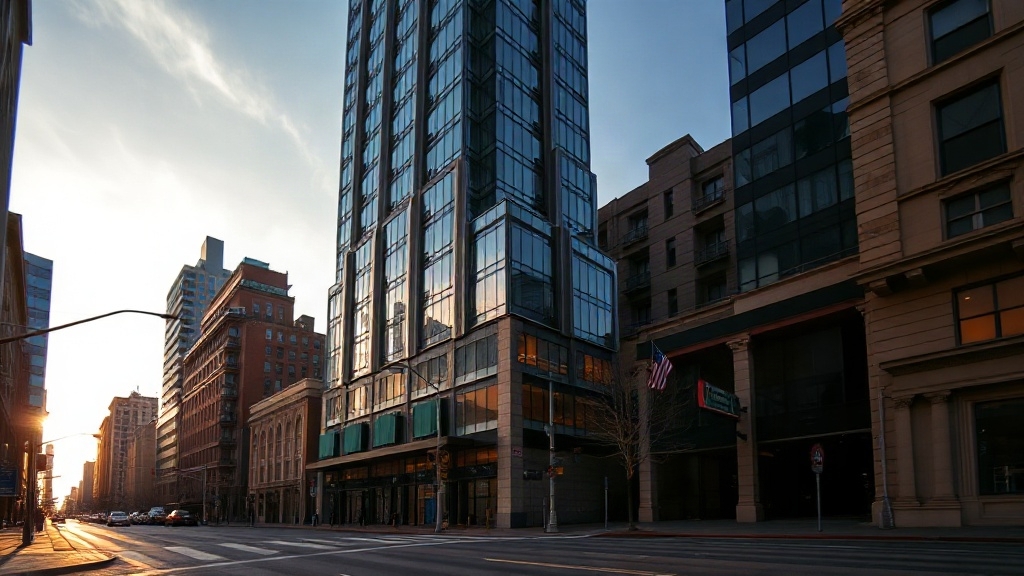
Lingering instability within the Orlando Land Trust exacerbates challenges in progress. Delays in demolition projects such as the City Centre and Orlando Fashion Square Mall highlight ongoing setbacks. Complications in reconciling historic preservation concerns with new urban development impede timely reconstruction. The Lake Eola Park Gateway Project is a key component of these downtown revitalization efforts, adding a modern twist to urban restructuring plans. Community emotions surrounding these delays are mixed, with nostalgia for lost historical sites meshing with aspirations for verdant, community-centric green spaces. Residents express regret over some anticipated losses, demonstrating a desire for augmented preservation efforts. However, the opportunity to transform deteriorating urban eyesores into inviting public parks resonates positively with many. Hopes for enhanced cultural amenities alongside new green spaces remain a focal point for community expectations. Increasing property values due to proposed urban renewal and the incorporation of modern smart home technologies remain key motivators for many stakeholders involved in the redevelopment process. This emphasizes a desire for a balanced urban environment that honors past and future aspirations.

Legal Entanglements and Future Implications
In the shadow of evolving legal frameworks, the Orlando Land Trust faces perilous legal entanglements. These issues threaten its stability and stakeholders.
The ambiguities in Florida’s land trust legalities lead to questions about legal liabilities and property ownership. These questions remain unresolved.
Key concerns include:
Bankruptcy Implications: Ongoing debates exist on whether land trust property forms part of the bankruptcy estate. This affects creditor claims significantly.
Fee Simple Ownership: There is a need for clarification on whether property held in land trusts constitutes absolute ownership. This impacts legal outcomes.
Liability Protection: Factors like insurance coverage and legal challenges have a significant influence on liability protection.
Trustee and Beneficiary Dynamics: The separation of legal and equitable ownership can expose beneficiaries to personal liabilities. This occurs under specific circumstances.
Legal ambiguities complicate asset protection strategies. They impact the future viability of the trust.
Strategies for Urban Green Space Development
As urban centers expand rapidly, strategies for developing green spaces are crucial. Location refinement and suitability assessments focus on strategic placement to maximize benefits.
Three-quarters of current urban green spaces are often poorly located in dense southern areas. Improved transport links and gentler terrain make northern and western city regions more ideal for development.
Legacy planning often neglects strategic green space distribution, resulting in imbalance. Urban densification poses a challenge, as intensified land use can affect green space quality.
Integrated urban green infrastructure models promote multifunctional networks and participatory planning. Aligning local plans with global frameworks ensures sustainability and justice principles are included for long-term urban resilience.
Community resistance and organizing strategies can serve as vital tools for protecting urban green spaces against unwanted corporate land acquisitions.
Assessment
The collapse of the Orlando Land Trust underscores significant challenges in urban land conservation efforts. With demolition setbacks frustrating the community, the situation is complex.
Legal entanglements further complicate resolutions, posing profound implications for future real estate projects. This highlights the urgent need for refined strategies in green space development.
It offers a cautionary tale to stakeholders, emphasizing the importance of careful planning. A holistic approach prioritizing collaborative initiatives could mitigate such issues.
Promoting sustainable urban growth in similar metropolitan areas requires concerted efforts. Stakeholders must consider new strategies to avoid repeating such challenges.




















4 Responses
Maybe if Orlando Land Trust focused more on green space development than legal tangles, we wouldnt be dealing with this eyesore now. Just a thought.
Why is everyone blaming the Orlando Land Trust? Maybe if the community showed more support, we wouldnt be stuck with this eyesore! Just saying.
Wow, maybe the Orlando Land Trust collapse isn’t so bad, folks. Its a wake-up call for more sustainable urban development, isnt it?
Cant believe this mess! Why not convert the lots into communal gardens or parks instead of waiting for some legal miracle? 🤷♀️