



Impact of Rent Cap Legislation on Seattle’s Housing Market
Washington State’s HB 1217 introduces a rent cap aimed at stabilizing rents and enhancing tenant security. The bill limits annual rent increases to either 7% plus inflation or 10%, with a specific cap of 9.683% set for 2026. Rent hikes are prohibited within the first year of tenancy, offering predictability for tenants. This regulation is crucial in Seattle, where housing costs often exceed wage growth, burdening renters. Many spend over 35% of their income on housing.
Much like states such as Oregon, California, and New York, which have adopted similar measures, Washington has enacted this law in response to unsustainable rent prices outpacing wage growth. Despite these benefits, the regulation’s long-term impact on market equilibrium is uncertain. Ongoing household demands and economic shifts may challenge the bill’s effectiveness.
Developer Strategies Amid New Rent Regulations
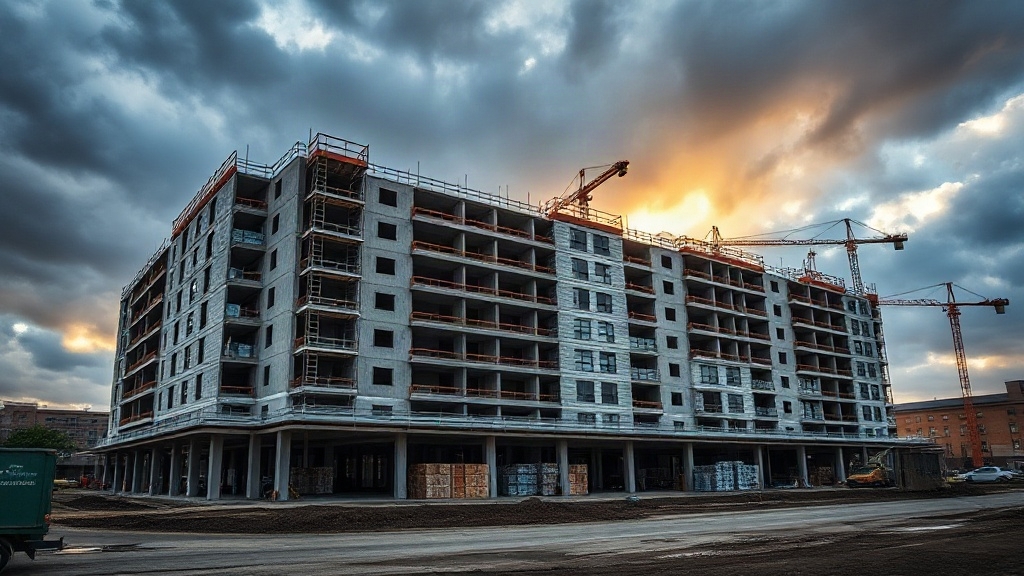
Developers are adjusting their strategies in response to Washington State’s HB 1217 rent cap legislation. This new law is transforming Seattle’s rental market dynamics.
A key approach is to maximize allowable rent increases by adding premium features. These include modernized kitchens and energy-efficient improvements. With limited Class A inventory contributing to increased competition, developers are strategically enhancing amenities to attract renters. Additionally, improving the curb appeal of properties through strategic exterior upgrades can have a substantial impact on attracting potential tenants, as it boosts both perceived value and market competitiveness.
Investment in smart home technologies is becoming popular. Developers are also embracing green amenities to boost property appeal.
Targeted marketing initiatives are focusing on high-demand segments. These segments include tech workers and young professionals.
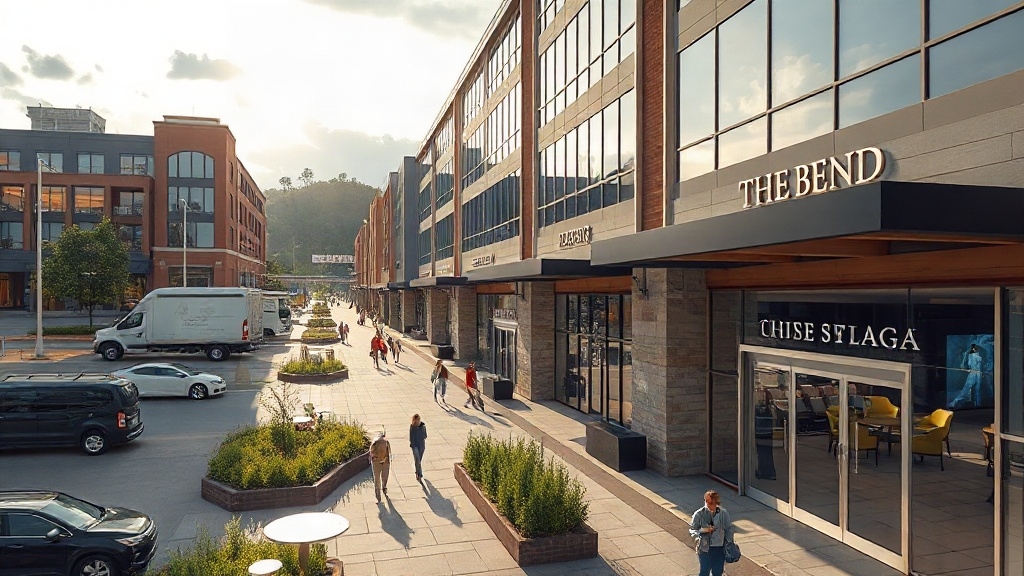
Developers are including lifestyle amenities and pet-friendly options. Proximity to public transit is also prioritized to enhance desirability.
Regular rent roll audits help navigate financial constraints under the rent cap. Risk management strategies are also employed to maintain profitability.


Investment Shifts and Opportunities in Seattle Real Estate
Seattle’s rental environment is seeing significant changes due to new rent regulations.
This shift comes as part of a broader transformation in real estate investment. Seattle’s property values have risen by 5.3% in the past year.
This increase highlights sustained growth despite the introduction of new rent caps. The tech industry has a major impact on investment opportunities.
Robust job growth in this sector drives demand and enhances investor confidence.
Construction activity might have slowed down.
However, the residential and commercial sectors still present promising investment prospects. These opportunities are supported by demographic and economic factors.
Price appreciation is notably significant. Single-family homes have seen a remarkable 25.9% increase since September 2020.
The industrial sector is also booming.
Low vacancy rates in logistics facilities are fueling investments.
Population trends contribute to the dynamics of the market. Continued migration elevates housing demand, shaping investor decisions.
Assessment
The impending rent cap legislation in Seattle signals a significant transformation for the housing market. It reshapes strategies for developers and investors alike.
With regulatory changes looming, developers must maneuver through new constraints. They need to seize emerging opportunities as they arise.
Investors, too, are compelled to reassess their positions. This is driven by the shifting environment.
This complex interplay between policy and market dynamics demands calculated adaptation. It underscores the urgent need for industry stakeholders to remain astutely informed.
Agility in response to these pivotal developments is crucial. Staying prepared can make all the difference.























40 Responses
Interesting read! But isnt there a risk that rent cap legislation might discourage developers, reducing available housing stock? Could it inadvertently exacerbate Seattles housing crisis? Just food for thought.
Rent caps are better than people being priced out of their own city. Period.
Isnt it curious how developers seem to be wooed rather than concerned by the looming rent cap deal in Seattle? Makes me wonder whats their secret strategy to thrive amid such regulations. Thoughts?
Interesting read. But isnt there a risk that rent caps would discourage developers, leading to less housing supply? Also, how might this impact the broader investment landscape in Seattle real estate?
Rent caps ensure affordability, developers need to adapt. Investment strategies should consider community impact too!
Its interesting to see how Seattles rent cap legislation will pan out. Will it be a boon for renters or just push developers to other lucrative markets? Guess time will tell.
Rent cap or not, developers will always chase profits, not affordability. Seattles just a guinea pig.
Interesting read. But isnt the rent cap legislation going to inadvertently discourage new property development? Wheres the incentive for developers if they cant profit as much? Seems counterproductive to me.
Does anyone else think this rent cap is just a quick-fix? Wont it just push developers to build luxury condos instead? #FoodForThought
While the rent cap might ease immediate pressures, isnt there a risk it could deter developers, leading to a longer-term housing shortage in Seattle? Just a thought guys, whats your take on it?
Risk for developers? What about risk for families facing homelessness? Priorities, mate!
Interesting piece but isnt the rent cap going to discourage developers from investing in Seattle? Could this possibly lead to a shortage of housing options in the long run? Just some food for thought.
Interesting perspective, but arent we overlooking how rent caps may disincentivize developers, potentially causing a housing supply crunch? Also, how about existing landlords? Might they exit the market altogether?
Disincentives for developers? More like barriers to unchecked profiteering. Landlords exiting? Maybe its time for change.
Interesting read. But arent we missing the point here? If developers are wooed, wouldnt it potentially lead to a surge in high-end apartments, thus exacerbating the affordability crisis? What about the middle-income earners?
Isnt it concerning the Rent Cap Deal might just push developers to prioritize luxury condos over affordable housing?
Developers profit-focus is the real concern, not the Rent Cap Deal. Lets not confuse the two.
Interesting read. But, arent we missing the point that rent caps might discourage future development? Wonder how this will play out for Seattles housing market in the long term. Just food for thought.
Isnt the rent cap in Seattle likely to deter developers from investing due to lower profit margins? On the flip side, wouldnt this create an opportunity for affordable housing projects?
While the Seattle rent cap deal seems promising, Im curious about its actual impact. Will it really make housing more affordable or will developers just find loopholes? Uncertain times for Seattle real estate, folks!
Interesting read, but isnt the real issue how the rent cap might stifle the incentive for developers to invest in Seattle? Could this potentially lead to a housing shortage in the long run?
Rent cap or not, developers will always find a way to profit. Affordable living is the priority.
While the rent cap might ease Seattles affordability crisis short-term, wont it deter developers from building new rental properties? This could backfire, causing a tighter housing market in the long run. Thoughts?
Interesting read. But, arent we forgetting something? Will this rent cap deal not discourage potential investors from putting their money into Seattles real estate? Just food for thought, folks.
Investors not everything. A rent cap prioritizes local residents over profit. Balance is key!
Rent cap, huh? Could this just be a ploy to get developers in? What about the long-term impact on Seattles housing market? 🤔
Interesting piece, but arent we bypassing the fact that rent caps may actually disincentivize developers, potentially leading to a housing shortage? Surely theres a more balanced way to address this issue.
Interesting how developers are being wooed amid new rent regulations. But, isnt there a risk of housing market saturation with this influx of investment? How will this impact long-term rental rates?
Interesting take, but isnt anyone concerned about possible negative impacts of rent cap on property maintenance? Wont developers be less incentivized to invest in property improvements if profit margins are squeezed? Just a thought.
Profit over people? Thats the issue. Homes over investments. Simple as that.
Isnt it ironic how developers are now being wooed in Seattle due to the rent cap deal? What impact will this have on the overall affordability of housing and the real estate investment climate?
Isnt it ironic that developers are being wooed now when theyre part of the reason we need rent cap legislation? Wonder how this shift will truly impact the real estate investment landscape in Seattle.
Interesting read, but isnt capping rent just a band-aid solution? Wouldnt more affordable housing development be a better long-term fix? Just my two cents.
Affordable housing development? Great idea! Now tell me, whos going to pay for that?
Interesting read, but have we considered how rent cap might actually deter fresh investments in real estate? A balanced approach is needed to ensure housing affordability without stunting growth. Thoughts?
Rent caps protect renters, not investors. Peoples homes arent just another market commodity.
Interesting read, but did anyone consider how this rent cap might affect the quality of housing? If profits plunge, could developers skimp on maintenance? Just food for thought, guys!
Interesting piece! However, I wonder, does anyone think that the Rent Cap legislation will actually discourage new real estate development in Seattle? Could this lead to a housing shortage?
Interesting read. But dont you think the rent cap might actually deter developers, leading to less housing? Is the short-term relief worth potential long-term supply issues? Food for thought!
Short-term relief often paves the way for long-term solutions. Lets not delay aid where its needed.