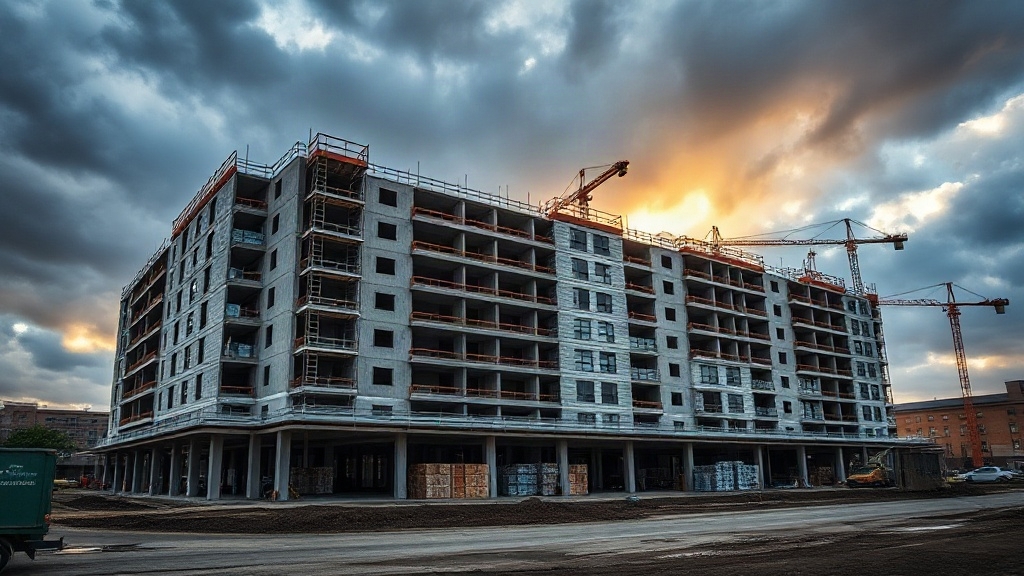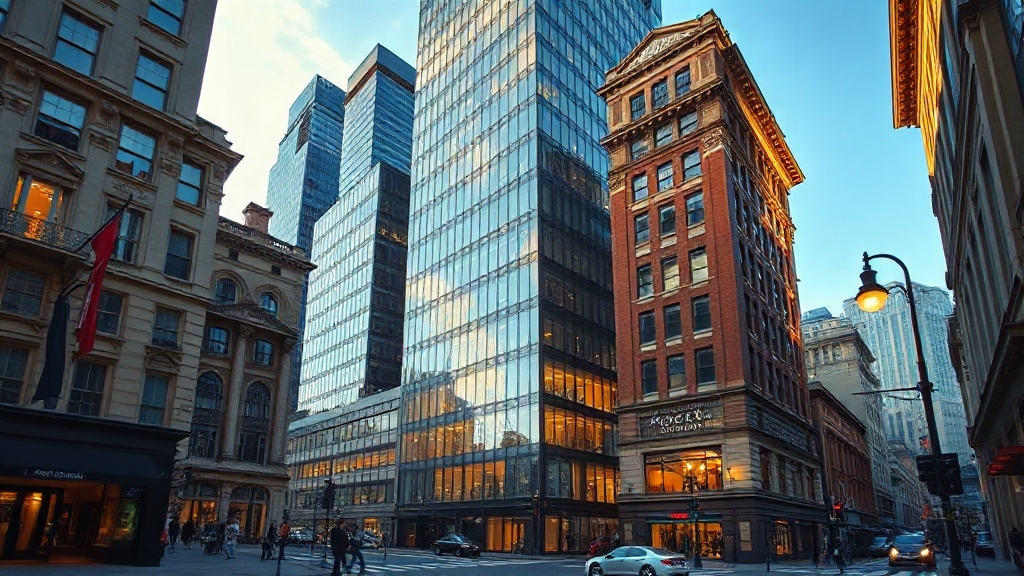


Overview of the Foreclosure Situation
In a climate of financial distress, around 26 buildings in Cleveland’s downtown are either approaching or at risk of foreclosure. This situation highlights property distress amidst rising economic pressures. Factors such as inflation, high construction costs, and inadequate redevelopment incentives increase foreclosure risks. Many buildings, including historic properties, struggle to stay viable due to limited financial flexibility. The decline in new listings seen in real estate markets like Philadelphia underscores similar trends of stagnation and seller hesitance. Federal historic tax credits and state redevelopment capital provide help, yet they fall short in addressing core issues. Cleveland’s current incentives, like the enhanced LERTA program, only partially offset financial burdens. These incentives lack the scope compared to competitive offerings elsewhere. Advocates emphasize the necessity of funding for rural healthcare sustainability to ensure communities are adequately served amidst these challenges. Without substantial redevelopment incentives, property owners find it challenging to make necessary adaptations or refinancing moves. This perpetuates widespread distress in urban cores.
Impact on Vacancy Rates and Tenant Dynamics
*MY ARTICLE SUBHEADING CONTENT*:
Cleveland’s downtown towers are witnessing a rise in vacancy rates. This indicates significant shifts in tenant dynamics.
Reserve Square, which relied heavily on international students, saw vacancies jump from 7% to over 50% within a year. Changes in immigration policies have deterred new students.
Long-term residents didn’t fill the gap left by departing students. This led to further increases in vacancies.
Rental competition has intensified as landlords struggle to fill units. Newer properties, not as dependent on students, have maintained occupancy.
Reserve Square’s vulnerability stands out amidst these challenges. A foreclosure lawsuit was filed by Fannie Mae against K&D Group’s Reserve Square due to the property’s financial difficulties.
Rental destabilization is now evident as landlords find it difficult to negotiate leases.
The tenant pool is dwindling due to demographic shifts reshaping the market.
Property owners face increased financial risks and tenant composition instability.


Financial and Legal Consequences
Foreclosure proceedings in Cleveland’s real estate market underscore serious financial and legal consequences for property owners and investors. The $70M foreclosure highlights deep financial implications, eroding the owner’s equity and limiting potential income sources. Borrowers face hefty legal challenges, as foreclosure filings can lead to judicial or non-judicial proceedings. This process impacts various facets:
Judicial Actions: Court involvement increases costs and delays resolution.
Loss of Control: Owners lose control of their property, halting income generation.
Investor Risks: Disrupted cash flow affects returns and complicates financial planning.
Lender Burdens: Lenders experience asset losses, write-downs, and increased risk profiles.
The commercial market correction is characterized by defaults, distressed sales, and asset devaluations. Legal challenges can worsen financial strains, leading both parties into prolonged disputes. This exacerbates financial instability.
Influence of Immigration Policy Changes
Cleveland’s real estate terrain is facing another upheaval.
Recent immigration policy changes are disrupting the student housing market.
Stricter immigration policies have reshaped international student mobility. This has significantly affected Cleveland’s housing scene.
The federal administration’s increased scrutiny on visa applications led to fewer approvals. Certain nationalities have been particularly impacted.
As a result, international student enrollment dropped by 15% nationwide. This decrease has impacted housing demand.
Reserve Square experienced a drastic occupancy decline. Rates fell from 93% to below 50% within a year.
This downturn was largely attributed to uncertainties over visas. Many international students delayed or canceled U.S. study plans.
Travel restrictions added to the complexity of the situation.
The shift in tenant demographics forced adjustments among property managers.
Universities also had to adapt to decreased international student presence. They took steps to mitigate the consequences.
Implications for Community and Urban Development
Cleveland is facing a foreclosure crisis that is causing considerable disruption to community and urban development.
The foreclosure of Reserve Square is destabilizing the community and affecting urban investment.
With the drastic increase in vacancies, financial flows are undermined, eroding the local economic health.
Understanding these dynamics involves several critical points.
First, economic displacement occurs as more than half of the units remain vacant, reducing local market vitality.
Second, the community faces potential displacement unless properties are resettled quickly.
Third, the foreclosure challenges market perceptions, which stalls urban investment strategies.
Lastly, prolonged property distress threatens the social cohesion of neighborhoods.
This situation highlights the urgent need for strategic interventions.
Stabilizing the market and preserving community integrity is essential amid fiscal uncertainties.
Additionally, as 98.8% of major U.S. counties face historically unaffordable housing costs, the broader affordability crisis exacerbates local economic challenges, amplifying the urgency for comprehensive solutions.
Assessment
The foreclosure of Cleveland’s downtown tower indicates a tumultuous shift in the city’s real estate environment.
The ripple effects of increased vacancy rates and evolving tenant dynamics underscore the financial and legal tumult it introduces.
This also brings into focus the influence of recent immigration policy changes.
These changes add a layer of complexity, affecting both community stability and urban development.
Such a scenario poses significant challenges for stakeholders.
Ultimately, it reshapes the future economic outlook and urban planning strategies in Cleveland.