

Architectural Transformation and Historic Preservation
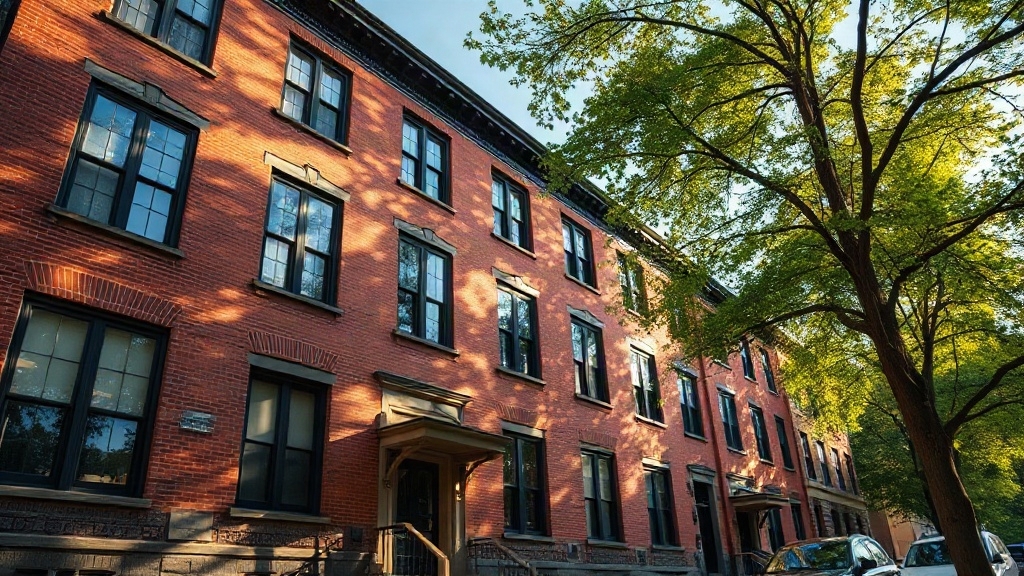
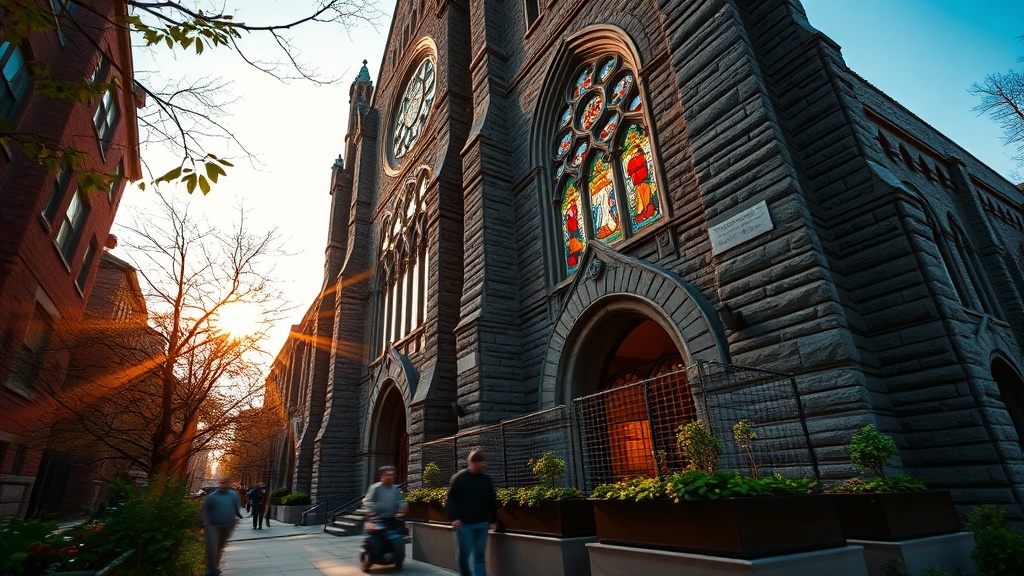
In a city celebrated for its architectural diversity, Chicago developers are transforming historic churches into unique residential complexes. These projects showcase how old structures can be revitalized with purpose. Architects are preserving the architectural integrity by leveraging vaulted ceilings and double-height spaces to create dramatic interiors. By following strict preservation standards, elements like stained glass, exposed brickwork, and ceiling turnbuckles are retained to add authenticity. Recent developments include the transformation of St. Boniface Church in Noble Square, blending residential living with historical architecture. Innovative designs repurpose bell towers into observation decks, blending heritage with modern amenities. Modern infrastructure, such as mail areas and underground bike parking, is seamlessly integrated to align functionality with preservation. Adaptations balance old and new interior finishes to respect the building’s original fabric. This juxtaposition ensures a coherent aesthetic that pays homage to history. Historic churches from the early 20th century are preserved through adaptive reuse. These efforts conserve cultural heritage while promoting sustainable redevelopment practices.
Economic Dynamics and Market Potential
The bustling backdrop of Chicago’s real estate market reveals significant momentum towards transforming historic churches into residential spaces.
Church-to-residential conversions spotlight unique investment strategies. They leverage nearly $1.2 billion in combined private and public financing. This financial framework includes roughly $900 million in private investments. Additionally, $300 million in Tax Increment Financing (TIF) supports redevelopment efforts. Effective pest control can enhance the value of the investment and ensure the longevity of the converted properties, making them more attractive to potential buyers. The technical challenges, such as structural modifications and upgrading building systems for residential use, are addressed with strategic planning by developers.
Zoning implications play an essential role in these transformations. This requires rezoning from limited residential to mixed-use areas.
Local government bodies manage these complexities. They ensure projects meet regulatory standards.
This robust pipeline encourages a diversified housing market. It accommodates both market-rate and affordable units.
These efforts reflect a strategic response to urban housing demand dynamics. At the same time, they preserve architectural heritage.
Conversion projects signify potential economic revitalization. This affects neighborhoods across Chicago positively.


Community Benefits and Social Impacts
In Chicago’s changing real estate landscape, converting churches into residential spaces reveals untapped community benefits and social impacts.
These projects preserve historic architecture and maintain neighborhood character. This adaptive reuse celebrates cultural heritage. It encourages community engagement by preventing urban blight and stabilizing neighborhood aesthetics.
As a result, such developments attract urban diversity. Church conversions introduce varied housing options. These range from luxury lofts to affordable housing, supporting socio-economic diversity in urban areas.
Preservation organizations support these efforts. They promote sustainable urban development and foster intergenerational interaction among diverse demographics.
These transformations foster a shared sense of pride in retaining architectural landmarks. They contribute to sustained neighborhood stability and connection. Embracing life’s challenges with purpose, these projects enrich and strengthen community values and unity.
The evolving environment promises a dynamic blend of history and modernity. This change enriches community life.
Assessment
The transformation of Chicago’s historic churches into residential properties represents a delicate balance. It preserves architectural heritage while responding to dynamic market demands.
Developers are uncovering potential value and navigating the economic complexities of such projects. This trend is reshaping communities.
It potentially enhances neighborhood cohesion. Unique housing opportunities are also being provided.
However, it raises pivotal questions about cultural preservation. The evolving nature of urban spaces is also a concern.
Outcomes could redefine urban planning in historic districts. This transformation prompts reconsideration of city development strategies.