

Economic and Demographic Dynamics Affecting Migration
Los Angeles has long been a beacon for talent, but a growing number of professionals are now relocating to San Diego. This trend is significantly altering the migration dynamics between the two cities.
Several economic and demographic factors are driving this shift. San Diego is drawing skilled workers, particularly in the tech and biotech industries. This not only enhances local talent pools but also improves workforce retention. International students from institutions like UCSD and SDSU contribute to the city’s vibrant population growth. Post-graduation, many of these students choose to stay, adding to the city’s stability. Additionally, factors such as population influx and job creation have similarly influenced housing markets in comparable areas like Tampa.
In addition, immigrant family reunification supports the formation of multi-generational households. This dynamic enhances population stability and workforce diversity in the area. The demographic changes help fill workforce gaps, particularly in healthcare and construction. As a result, San Diego is increasingly seen as a thriving economic hub, rivaling its larger neighbor to the north. Despite domestic out-migration affecting parts of California, San Diego’s appealing living conditions continue to attract talented professionals within the state.
Housing Affordability and Its Influence on Mobility
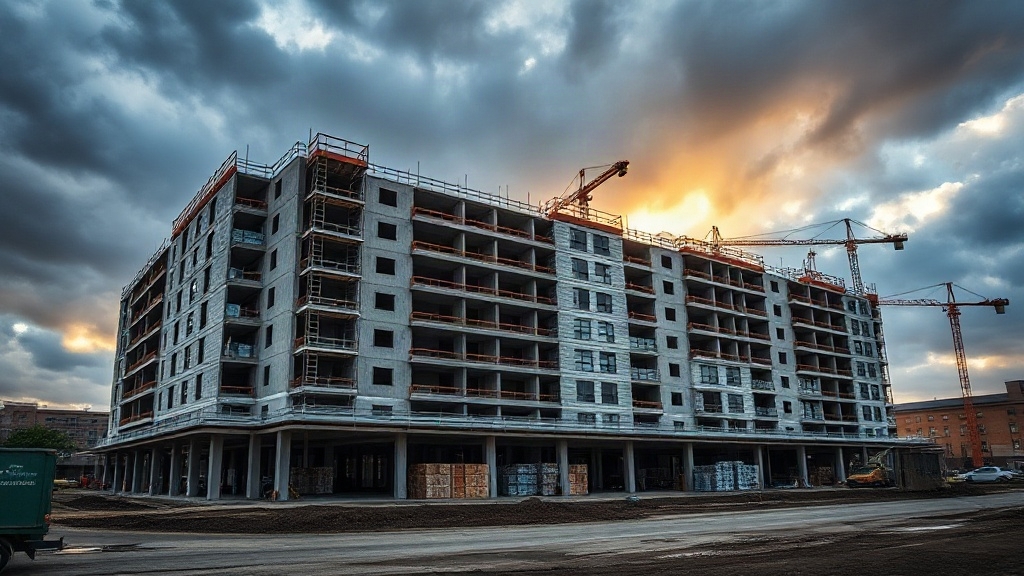
Housing affordability in San Diego is reaching a critical juncture. It is profoundly affecting mobility and economic flux in the region. Despite a slight decrease in housing prices, the median sale price for homes stood at $960,000 in August 2025. Rental costs are averaging $2,414 per month in 2024. The Housing Affordability Index indicates severe limits. Merely 13% of households can afford a median-priced home. Rising rental costs are projected at a 2.5% increase in 2025. This further strains budgets. San Diego mirrors trends seen in Los Angeles, where the housing to income ratio is at 32.64%, reflecting widespread affordability issues. In contrast, housing costs for homeowners are $2,564 monthly. The persistent supply shortage exacerbates affordability by driving up competition and costs for potential buyers. With the region’s inventory supply seeing a modest increase to 3.2 months, many middle-income families still find home purchases unfeasible. Elevated mortgage rates and stagnant wages contribute to this challenge. Ultimately, this affordability crisis influences migration patterns.


Strategic Development and Future Migration Trends
The escalating housing affordability crisis in San Diego is setting the stage for a pivotal shift. This shift focuses on strategic development and migration trends shaping the region’s future.
Emphasis on transit-oriented developments highlights a commitment to sustainable growth. Plans around Cal State San Marcos and the SPRINTER rail corridor reflect this dedication.
These initiatives aim to attract talent by diversifying job opportunities. The focus is on industries such as biotech and tourism.
Projects like the San Marcos Creek District are enhancing connectivity and infrastructure. Such projects elevate the urban terrain.
Economic drivers like biotech and tourism contribute significantly. They account for $15.3 billion in spending.
The plan includes developing 10,395 new housing units. This addresses the housing affordability crisis.
The region is also projecting employment growth. An estimated 28,000 new jobs are expected.
Transit-oriented developments serve as talent attraction initiatives. They ensure the region is equipped for future population dynamics.
The data center boom in Phoenix is an example of how digital infrastructure investments can drastically reshape real estate and economic landscapes.
This strategic alignment prepares the area for economic challenges. It guarantees a sustainable and promising future for San Diego.
Assessment
San Diego emerges as a compelling destination due to shifting economic and demographic dynamics. It’s attracting movers from Los Angeles seeking affordable housing and a better quality of life.
This migration trend highlights the city’s strategic development endeavors. It could greatly influence future mobility patterns.
As San Diego adapts to its growing population, investors and stakeholders must closely monitor these trends. They need to maneuver an evolving real estate environment shaped by affordability challenges and growth opportunities.