

What Changed in Tucson Single-Family Inventory?
Although demand has not collapsed, supply has climbed fast enough to reset market conditions in Tucson. Nationally, active inventory rose about 25% from July 2024 to July 2025, reinforcing that Tucson’s jump is part of a broader reset.
Active listings hit 2,499 in January 2026, then 2,925 by early February, with 2,172 single-family homes.
Inventory Disruption in Single-Family
More homes are staying available longer, widening choices across neighborhoods and lot sizes.
Inventory growth outpaced the national increase, creating sharper local competition among sellers.
By January, 20.7% of listings cut prices, and 42% carried a drop.


Why Inventory Expanded
January produced 1,128 new single-family listings, up 6% year over year amid seasonal patterns.
With mortgage rates holding in the mid-6% range, more homeowners felt comfortable listing, adding to resale options.
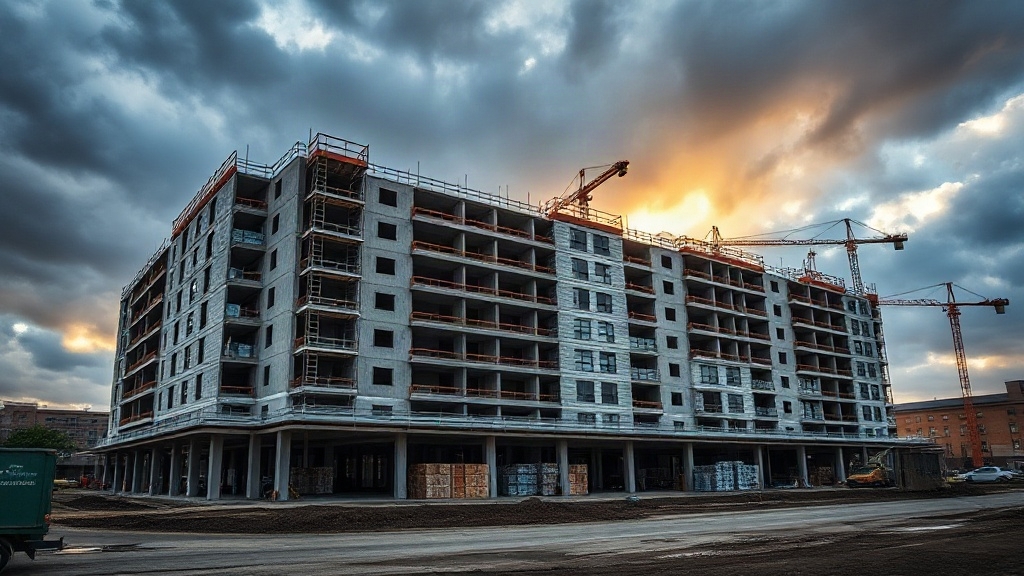
New construction in Oro Valley and Vail advanced with zoning reforms and infrastructure, lifting supply.
Development incentives in growing corridors helped builders deliver more homes.
Lot sizes remained concentrated at the metro edge.
Is Tucson Nearing a Balanced Market (Months of Supply)?
Rapid inventory gains in Tucson are now showing up in the metric that most clearly signals bargaining power: months of supply.
Balance Thresholds Tighten
Months of supply nearing equilibrium
Greater Tucson holds 2,777 active listings, about 3.8 months of supply.
Like inventory growth in Seattle, rising supply tends to give buyers more choice and negotiation leverage, especially on less updated homes.
January 2026 reached 4.92 months on 2,925 listings.
That’s inside the 4 to 6 month balanced band and well below the 7 month decline zone.
Supply runs near 4.6 months versus 3.8 previous year.
Median days on market sits near 34.
Sellers net 97.64% of list.
Disruption Risks: Seasonal and Policy
Price discovery is accelerating, with 43% of actives showing reductions averaging 6%.
Seasonal patterns can lift inventory early in the year.
Policy effects on mortgage costs may keep appreciation modest, not explosive.
Why Listings Rose: New Supply vs. Slower Demand
As more homeowners brought properties to market while buyer follow-through softened. Tucson inventory expanded faster than demand could absorb it.
January 2026 active listings rose to 2,499, and single-family supply reached 2,172 by early February.
Supply Shock Signals
New listing flow
Newly listed homes increased 6% year over year to 1,128 in January.
Some supply reflected Investor Exits and Mortgage Resets that pushed owners to list sooner.
Demand Fades, Inventory Sticks
Pending slowdown
New pendings fell 3.8% to 655, while median days on market climbed to 64.
Closed sales rose 1.4% to 595, but volume slipped 1.9% overall.
With months of supply at 4.92, 42% of active listings carried price drops within a 17 day median to first reduction.
Are Tucson Single-Family Prices Dropping or Just Normalizing?
Where pricing once depended on fast appreciation, January 2026 numbers point to a controlled cooling in Tucson single-family benchmarks.
Disruption in Benchmarks
Median single-family sales were $365,000 in January 2026, down 1.9% year-over-year.
All homes were $343,000, down 2.0%.
Price per square foot for all properties was $226, down 1.3%.
| Snapshot | Level |
|---|---|
| Median single-family sale | $365,000 |
| All-homes median sale | $343,000 |
| All-properties $/sf | $226 |
Normalization Forces
Zillow’s average value was $320,343, down 2.7% annually.
The typical value held near $327,578, down 0.1%.
Seasonal patterns, 38 median days on market, and 97.64% of list price received indicate demand elasticity, not capitulation.
Townhomes and condos rose 15.6%, highlighting segment divergence locally.
What Tucson Buyers and Sellers Should Do Next
Although pricing has only softened modestly, Tucson’s leverage has shifted because inventory is climbing faster than demand.
Active listings hit 2,499 in January, up 13.2 percent, and supply rose to 4.92 months.
Buyer Disruption Playbook
Median days on market increased to 64, creating more time to compare terms.
Price drops cover 42 percent of actives, averaging 6.5 percent, and reductions appear around day 17.
Buyer priorities
- Verify Financing Options before negotiating.
- Target listings within the 20.7 percent reduction cohort.
Seller Risk Controls
Sellers are receiving 97.64 percent of list, about 2.36 percent below asking, and 40 percent of closings had price drops.
Marketing time spans 38 to 78 days.
Seller priorities
- Follow a Staging Checklist to differentiate single-family supply.
- Price against the 375,000 median.
Assessment
Tucson single-family inventory expanded sharply, pushing competition lower and extending marketing timelines across many neighborhoods.
Months of supply moved toward balance, reducing the leverage sellers held during the recent surge.
The rise in listings reflected new supply and demand that cooled as rates stayed elevated.
Pricing showed normalization rather than a broad collapse, with reductions concentrated in overpriced homes locally.
Near-term outcomes will hinge on job growth, affordability, and how quickly additional inventory enters the market.