
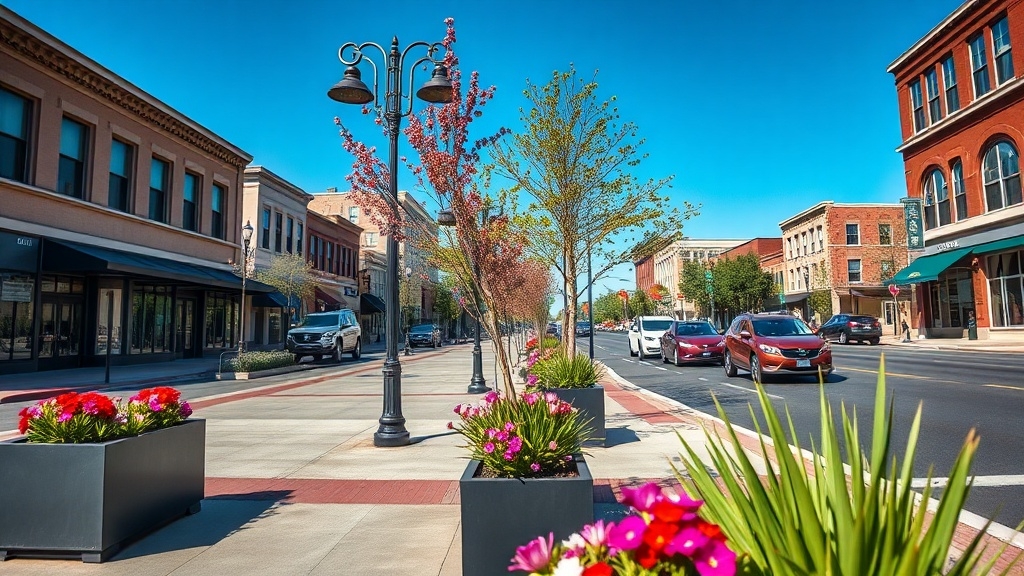
Street Upgrades Transform Second Avenue South District
In a dramatic overhaul, Birmingham’s Second Avenue South district experienced a sweeping transformation through strategic street upgrades. The road’s reduction from four to two travel lanes made way for a protected bicycle lane. This change improved urban aesthetics and encouraged community engagement. With historical landmarks such as the Three Graces Studio, the avenue now combines both modern advancements and rich history. The speed limit was lowered from 35 mph to 25 mph. This enhancement increased pedestrian accessibility and safety. A new four-way stop at 29th Street improved traffic flow. It contributed significantly to the district’s transformation. Enhanced infrastructure included new sidewalks, drainage solutions, and rain gardens. This integration of sustainable urban design principles boosted both aesthetic appeal and stormwater management. These improvements align with Birmingham’s sustainability objectives. Incorporating green certifications like ENERGY STAR can further boost property value and attractiveness. The initiative reflects a proactive approach toward revitalizing public spaces. It promotes interaction and improves residents’ quality of life.
Enhancing Connectivity With the New Overpass in Tuscaloosa
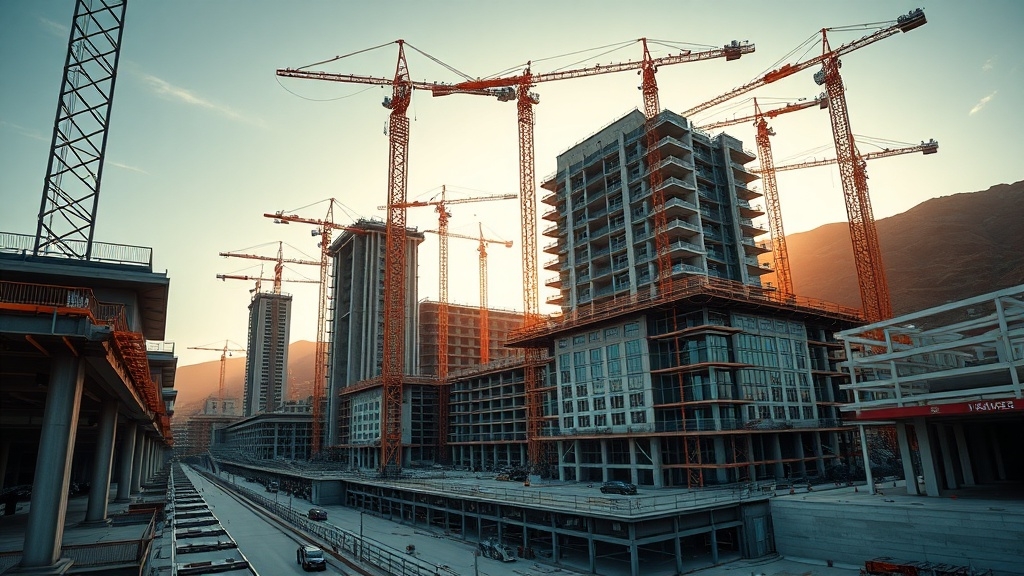
The completion of the new overpass in Tuscaloosa marks a pivotal achievement in urban connectivity and transportation. Although significant infrastructure projects often bring disruption, this endeavor stands out for its positive impact. The implementation of the bridge aligns with strategic reinvestment efforts that support long-term community development. Brasfield & Gorrie, recognized for their expertise in infrastructure projects, spearheaded the construction of the bridge; their reputation for quality work has been affirmed through their pivotal role. Strategically positioned, the overpass links Second Avenue with Lancaster Road. This simplifies east-west travel in Tuscaloosa while alleviating train-induced delays.
The integration of pedestrian and bicycle pathways reflects a strong emphasis on community engagement. It accommodates alternative transit modes and promotes public safety. Enhanced lighting along with wide pathways further amplify safety measures. These enhancements considerably benefit both residents and university students.
| Feature | Benefit |
|---|---|
| Rail Crossing | Reduced accident risk |
| Pathways | Promotes alternative transit |
| Decorative Elements | Enhances visual environment |
The bridge employs over 170 driven H-piles and 72 prestressed concrete girders. It stands as a showcase of robust engineering and civic foresight.
Improving Traffic Flow and Parking at the University of Alabama
Transformative impacts are reshaping traffic dynamics at the University of Alabama. This change is driven by the newly inaugurated Second Avenue overpass.
The structure eliminates delays caused by train crossings. These previously hindered access on the campus’s eastern side.
With over 70,000 daily vehicles benefiting, commuter convenience has significantly increased.
Parking solutions were strategically implemented. These address spaces lost due to nearby construction.
The Capstone Parking Deck complements these enhancements. It ensures capacity issues do not negate the transportation benefits.
Underneath the overpass, new parking options compensate for construction-induced shortages.
The management of closures and lane shifts highlighted proactive planning. This aims at sustaining traffic flow.
Collectively, these developments underscore a concerted effort. The goal is to harmonize campus mobility efficiently.
Developing a Key Corridor for Efficient Campus Access
A major development has been unveiled at the University of Alabama with the creation of a critical campus corridor: the Second Avenue Overpass. This infrastructure project strategically links 15th Street and Paul W. Bryant Drive, creating direct access to significant locations such as Coleman Coliseum and the Capstone Parking Deck.
The overpass serves as a central, uninterrupted entry point to the campus. It enhances campus accessibility and facilitates the daily commute for over 70,000 vehicles.
| Key Campus Access Points | Purpose | Impact |
|---|---|---|
| Coleman Coliseum | Athletic events location | Easier access for attendees |
| Capstone Parking Deck | Parking facility | Reduces parking overflow issues |
| Bryant Conference Center | Event hosting | Efficient transportation for visitors |
In addition to vehicle traffic, the corridor includes dedicated paths for bicycles and pedestrians. This promotes sustainable and active commuting options by integrating walkability into the campus infrastructure.
Strategic Intersection Improvements on SR-215 for Event Management
The strategic overhaul of the intersection at SR-215, Buttermilk Road, and US-11 is set to revolutionize traffic management in the area.
This project aims to accommodate event traffic through strategic intersection improvements and signal optimization. By doing so, it reduces congestion and enhances flow efficiency.
The construction of a signalized T-intersection and the reconfiguration of Buttermilk Road are integral. These changes balance local access and commuting.
Lane modifications, including additional turn lanes and medians, are planned. They are designed to safely manage over 16,000 vehicles daily.
Optimized signal timing during events is crucial. It handles traffic surges, minimizes delays, and improves emergency response.
These structural upgrades have been coordinated with the community and local authorities.
They ensure seamless traffic circulation during peak travel periods and large events.
Assessment
The revitalization of Second Avenue South in Alabama is a pivotal moment for Tuscaloosa’s infrastructure development. Improvements will enhance connectivity with the University of Alabama.
The plan ensures streamlined traffic flow and better parking solutions. By focusing on key corridor developments, the project targets more efficient campus access.
Strategic intersection upgrades on SR-215 are also part of the initiative. These improvements will aid in better event management.
Overall, the project promises to boost the district’s accessibility. It aims to position the area as a crucial hub for progress and growth.














4 Responses
Does anyone else feel the 2nd Avenue revamp is just glossing over deeper issues? Traffic flow wont fix underfunded public transport, right? Just my two cents.
Agree on the revamp, but isnt it ironic that were enhancing connectivity but still no reliable public transport? Priorities, folks! #AlabamaUpgrades.
Isnt it ironic that were upgrading Second Avenue but still no decent bike lanes? What about promoting eco-friendly transportation, Alabama?
While the Second Avenue revamp sounds great, wont it just lead to more traffic congestion? What about prioritizing public transport instead? Just a thought.