
Key Takeaways
- Fourteen major construction projects have been abruptly abandoned by a prominent Atlanta builder.
- Investors and the local community are faced with rising uncertainty and speculation about the city’s economic future.
- The halt in construction has led to legal complications and a surge in vacant, unfinished structures across Atlanta.
Atlanta Faces Crisis Amid Construction Abandonments
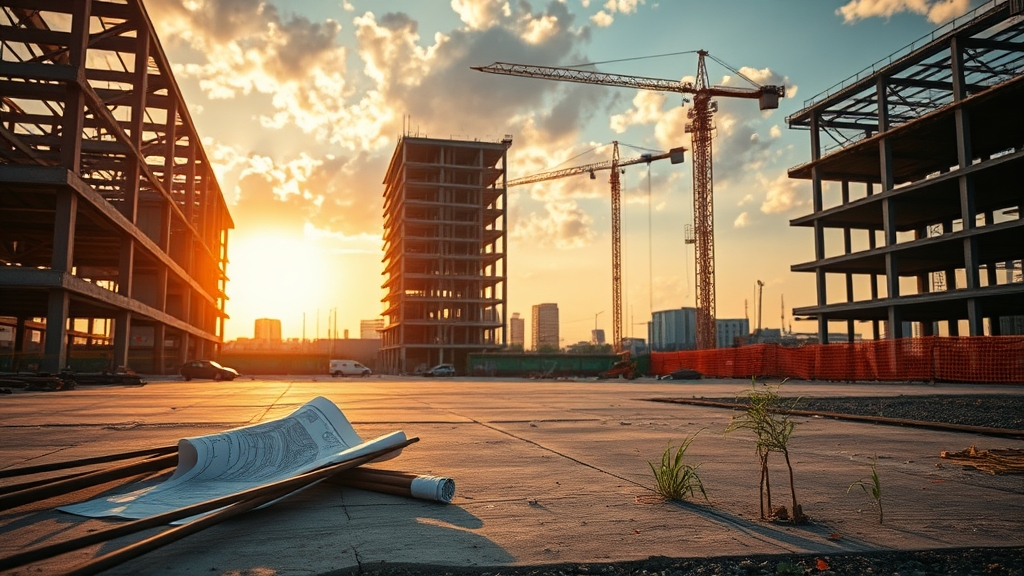
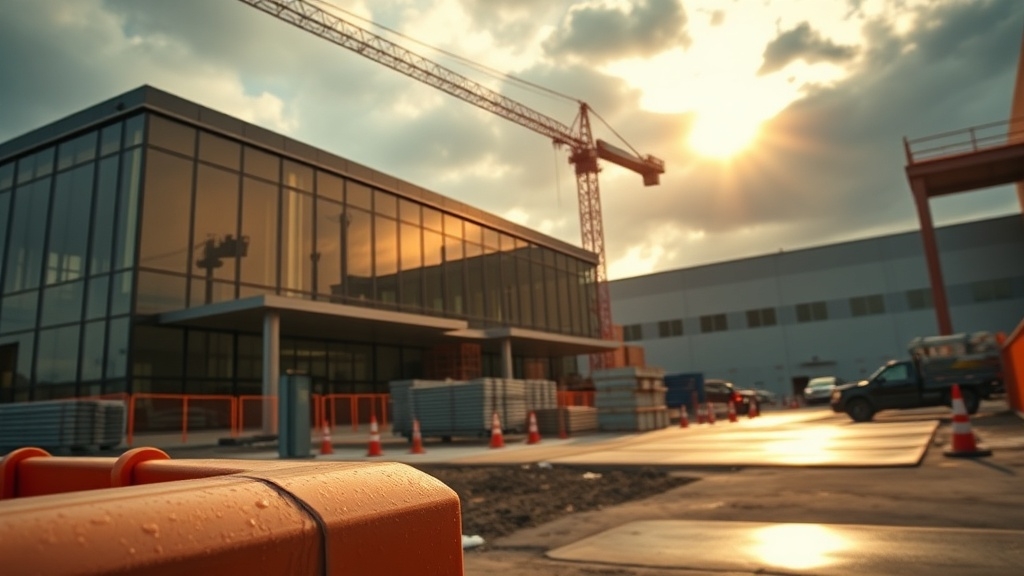
An unprecedented wave of fear now shadows Atlanta’s skyline, as a well-known builder has abandoned fourteen major construction sites, leaving skeletal frames to rot in broad daylight.
Streets once alive with hope now echo with rumors of collapse, while investors tremble amid mounting uncertainty.
The specter of stagnation haunts the city’s growth, and the threat of further contagion looms, as legal chaos and vacant structures grip the market’s throat.
Atlanta Faces Crisis as Projects Stagnate
A wave of panic is cascading through Atlanta’s real estate sector as reports surface of a prominent builder allegedly abandoning 14 construction projects midstream, shattering investor confidence and releasing dire uncertainty across the market. Rumors of halted developments are rippling across real estate forums and investor circles nationwide, inciting an atmosphere of suspicion and dread.
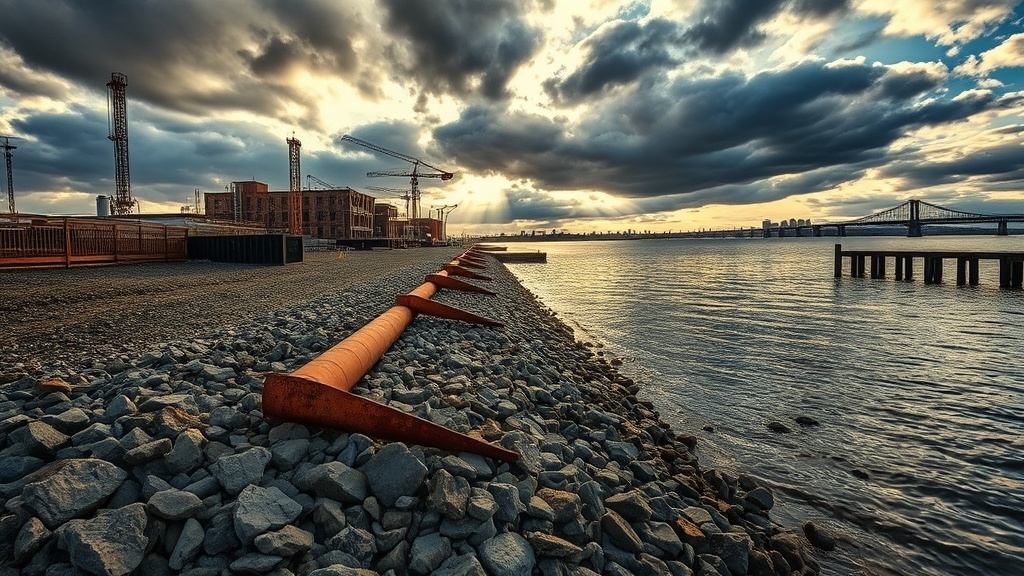
Shadows lengthen over Atlanta’s skyline as vacant skeletal frames threaten to become permanent scars.
Despite widespread fear, hard verification of 14 abandoned projects remains elusive. Public records reference only select cases, such as Dewberry’s troubled Midtown Campanile. This tower, initially teeming with hope, quickly became a symbol of turmoil.
After a period of total inactivity from 2020 to 2021, frustrated city officials filed an official abandoned project complaint. Regulatory compliance fell under city scrutiny, and Atlanta’s Office of Buildings flagged its stagnation, warning of enforcement actions.
Stakeholders are increasingly paying attention to the legal complexities that can arise in large project failures, as these can complicate resolution and determine future financial obligations.
In contrast to such standstills, some of the most ambitious projects in Atlanta continue inching forward despite hurdles—the Atlanta Beltline’s planned expansion, for example, has multiple trail segments currently undergoing active construction or entering final design and permitting stages.
The Beltline trail network remains on schedule with federal funds recently secured to keep progress steady as sections move from planning to construction.
Yet, while the building inches forward under a cloud of doubt, broader claims remain uncorroborated by accessible data.
The turmoil prompts a severe reevaluation of project financing fundamentals citywide. Midtown’s Campanile stands apart for its self-financing approach—developer Dewberry alone carrying the immense burden, placing vast sums at personal risk.
Elsewhere, pivotal projects like the Beltline lean on entwined funding methods. Federal grants, such as a recent $42 million injection for the Southside Trail, mix uneasily with local partnerships. This patchwork infuses unpredictability, leaving investors trembling at each new political or economic tremor.
Complications compound as Atlanta developers wrestle with entangled project financing and the iron grip of regulatory compliance. Permitting bottlenecks snarl progress. The Midtown Campanile has waded through a deluge of permit applications in 2024 alone, signaling systemic obstacles.
The city’s abandoned project legal mechanism—the ultimate compliance hammer—looms over still sites. The prospect of forced intervention and litigation haunts backers, threatening to entomb capital beneath piles of dusty paperwork and permanent board-ups.
Material sourcing nightmares stoke the panic. Global supply chain snarls restrict delivery of vital building components, adding intolerable expense and uncertainty. Developers unable to secure materials confront a nightmare choice—freeze construction or risk violating city law.
For the Southside Trail, remediation delays, including stormwater management regulations and the disposal of hazardous soil near D.H. Stanton Park, slow work, and raise costs.
Regulatory mandates collide violently with practical limitations, shattering timelines and souring expectations.
The specter of blight suffocates Midtown, while access gaps along the Beltline ignite fierce debate. Tight deadlines, such as the 2026 FIFA World Cup, increase the stakes. The risk of visible failures grinds investor nerves raw. Developers, city regulators, and federal overseers watch each other warily.
Every halted excavator, every idle crane, becomes an omen. If systemic contagion spreads, a nightmare awaits Atlanta—frozen construction, legal gridlock, ruined capital—deepening the chasm of instability, shaking Atlanta’s real estate foundations to the core, while confidence collapses in the ruins of vanished ambition.
Assessment
What’s Next for Atlanta’s Urban Landscape?
It’s clear that Atlanta’s skyline is now marked by abandoned steel frames and uncertainty, a challenging sight for both residents and investors. With projects stalled due to regulatory hurdles, legal disputes, and resource shortages, confidence in the city’s building industry is understandably shaken.
These half-finished towers risk becoming permanent scars, raising concerns about long-term urban decay and the future of Atlanta as a vibrant city.
The situation may seem overwhelming, but recovery is possible if city leaders, developers, and the community come together to resolve disputes and find creative solutions.
If you’re invested in Atlanta’s future, now’s the time to join the conversation and push for responsible development that can turn these unfinished projects into new opportunities for growth.














3 Responses
Why is everyone blaming the builder? Isnt zoning and planning oversight on the city too? Whos actually monitoring these projects? #AtlantaConstructionCrisis
Maybe these builders abandoning projects is Atlantas way of fighting urban overdevelopment? Just a thought. #SilverLining
Cant help but wonder, are these abandoned projects a sign of Atlantas fall or a chance for a reasonable urban renewal? Thoughts?