

Boise Rental Market Sees Double-Digit Growth Amid Housing Shortage
Boise’s rental market is sending a clear message: double-digit rent growth is continuing to impact affordability as housing shortages worsen.
Over the past year, average monthly rents increased by 11.8%, now sitting at $1,935 across all unit types.
Individuals looking for studio apartments will encounter prices of $2,039 monthly, while one-bedroom units average $1,531.
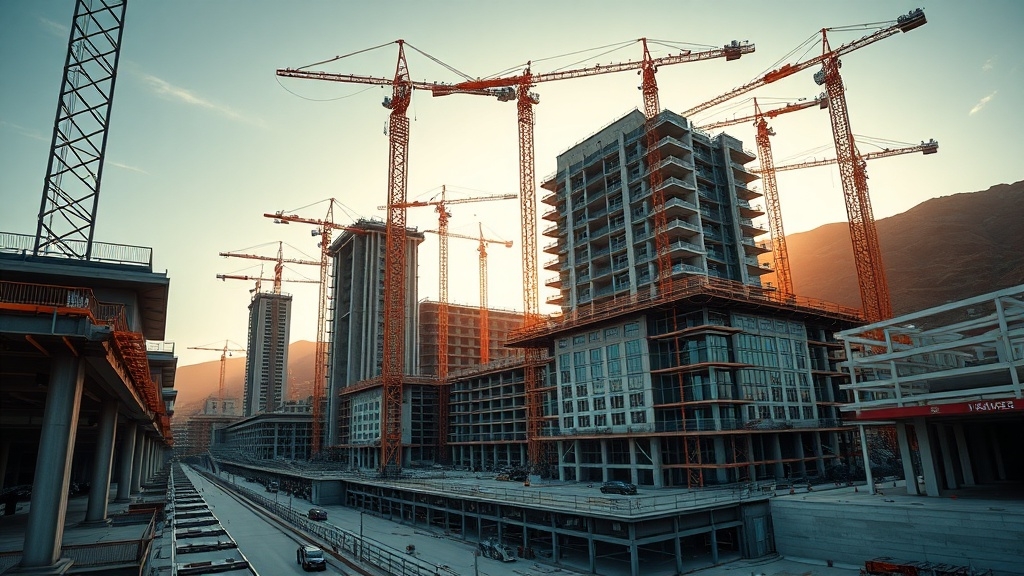
The root cause of this crisis lies in severe supply constraints within the market. Unlike Portland, where multifamily developers are increasing development activity, Boise struggles with new construction delays.
Currently, under-construction inventory falls below historical averages, indicating reduced competition and ongoing shortages.
The introduction of new properties is experiencing significant delays.
For the first time since 2020, rental demand is expected to outstrip supply additions.
Absorption rates underscore the severity of the situation, with Boise absorbing 2,550 rental units over the past twelve months.
This figure more than doubles 2023 levels and exceeds the long-term average of 910 units annually.
Occupancy rates have held steady near 93% since early 2023.
These tight market conditions leave renters with fewer options and rising costs throughout Idaho’s capital region. Rent prices continue to fluctuate based on location and property type across different neighborhoods in Boise.
Tenant Activism Rises as Short Notice Periods Strain Renters
Frustrated renters across Boise are mobilizing into organized resistance movements. Landlords are deploying increasingly aggressive rent increase strategies with minimal advance warning. The surge in tenant activism directly correlates with the psychological and financial strain. Sudden rental hikes are exceeding traditional notice periods. Tenant protests have erupted throughout Boise neighborhoods. Renters face anxiety and insecurity from unpredictable rent increases. These increases devastate household budgets within compressed timeframes. Despite legal requirements for advance notice, shortened preparation periods continue contributing to tenant stress and financial hardship. Coordinated rent strikes have emerged as the primary weapon against landlords. These landlords are implementing above-guideline increases and neglecting essential maintenance obligations. These organized resistance efforts represent some of the largest tenant mobilizations. It is notable in the region’s recent history. Eviction threats typically follow rent strikes. Yet, tenants increasingly choose sustained activism over accepting unaffordable housing conditions. Renters have echoed similar community resistance seen in homeowner activism against land acquisitions, using grassroots strategies to influence policy changes and protect their interests. Organizations like ACORN have demonstrated that membership growth to over 140,000 is possible even when many face financial constraints that limit their ability to engage in activism. The opacity and complexity surrounding phased rent hikes further hinder financial planning. This intensifies renters’ desperation and resolve.
Neighborhood Price Variations Create Uneven Affordability Landscape
Boise’s rental crisis has resulted in a patchwork of extreme affordability disparities across neighborhoods. This has created distinct economic zones that trap renters in cycles of displacement.
The rental market showcases stark neighborhood disparities. Premium areas like Harris Ranch and Depot Bench have rents near $1,980 to $1,983 monthly.
Meanwhile, working-class neighborhoods such as Morris Hill and Central Bench offer relative relief. Rents in these areas are around $1,172 and $1,186 respectively.
Southeast Boise is particularly punishing. Average rents here reach $1,869, with luxury units exceeding $2,700.
Downtown Boise maintains elevated pricing around $1,750. This reflects proximity premiums that exacerbate affordability concerns.
The geographic rent divide spans nearly $800. This places renters in diverse economic scenarios depending on their neighborhood.
Suburban areas like Franklin-Randolph offer modest refuge with established housing stock. However, newer developments with luxury amenities drive unprecedented pricing pressure.
This fractured terrain forces renters into more distant neighborhoods. As a result, commute times increase and community connections are stretched thin.
Economic displacement is accelerating across the metropolitan area, highlighting Boise’s uneven affordability landscape.
Market Stabilization Signs Emerge Despite Continued Growth Pressure
Recent trends suggest that the intense momentum in Boise’s rental sector is beginning to moderate. The vacancy rate has dropped to 1.62% from 1.81% a year ago.
However, this tightening remains below national averages. Properties are now on the market longer as rent price momentum softens considerably.
Rental negotiations have shifted in favor of tenants, especially in premium segments. High-end properties above $2,100 monthly need incentives to attract qualified renters.
Key signs of stabilization include tenants gaining more negotiation leverage. Supply-demand dynamics are rebalancing, benefiting renters.
Well-maintained, competitively priced properties still lease quickly. In contrast, overpriced units face challenges in securing renters.
The market is evolving toward greater equilibrium after years favoring landlords. This shift reflects broader economic pressures affecting owners and tenants. Co-living’s affordability and flexibility offer potential benefits to renters navigating these changes.
Both parties are now recalibrating expectations in this changing marketplace. The transformation marks an important adjustment period.
Assessment
Boise’s rental market turmoil reflects broader national housing pressures. Institutional investors and population shifts are reshaping affordability dynamics.
The 11% rent surge signals accelerating displacement risks for working-class residents. This trend is evident across Idaho’s capital region.
Tenant organizing efforts may intensify. Market fundamentals show little immediate relief.
Property owners face mounting regulatory scrutiny. Investors monitor whether current pricing levels represent sustainable growth or dangerous speculation.
The crisis underscores America’s deepening rental affordability emergency.



















6 Responses
Isnt the real issue here not the rent hikes, but the lack of decent paying jobs? Just a thought folks. #BoiseRentCrisis
Isnt it crazy how Boise rents are skyrocketing? Feels like were punishing folks for not being homeowners. Whats up with that, eh? 🤷🏻♀️
Honestly, if Boise rents keep skyrocketing, we might as well all move into treehouses! This market is outta control. #TreehouseLiving 🌳🏠
Isnt it crazy how Boises growing so fast? Maybe its time we rethink traditional housing and consider tiny homes or communal living?
Tiny homes? Communal living? No thanks, Ill stick with my spacious traditional home.
So, even with market stabilization signs were expecting tenants to happily swallow 11% hikes? Thats not growth, its a nightmare. #BoiseRentsOutofControl