

Key Takeaways
- $800 million worth of Boston development projects have been put on hold due to escalating interest rates and tightening financing.
- Boston developers are struggling with unmanageable debt, and lenders are pulling back, threatening the completion of ongoing construction.
- The freeze raises urgent concerns about Boston’s future growth and the impact on housing affordability and urban development.
Mounting Costs Put Boston’s Construction Boom on Ice
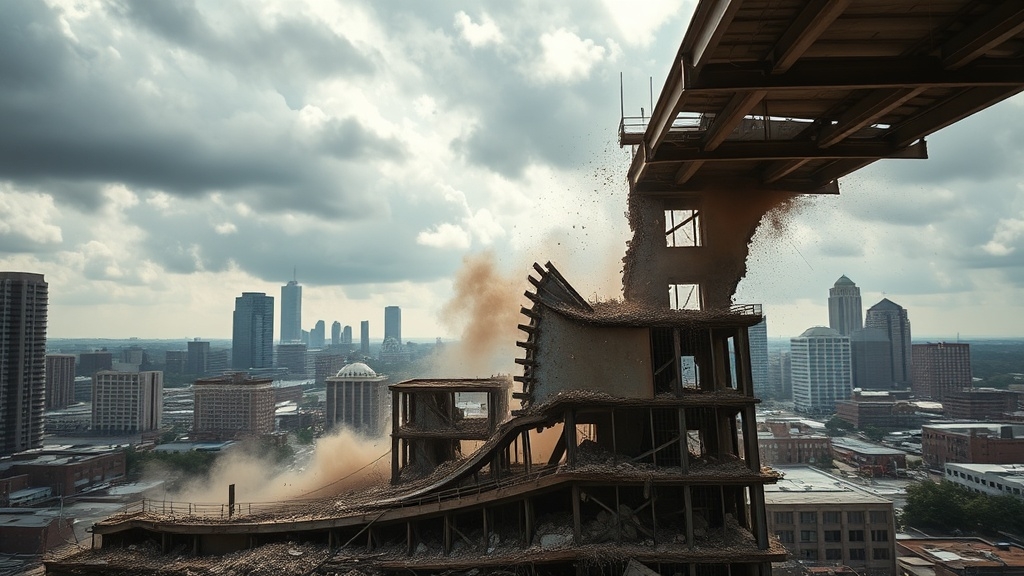
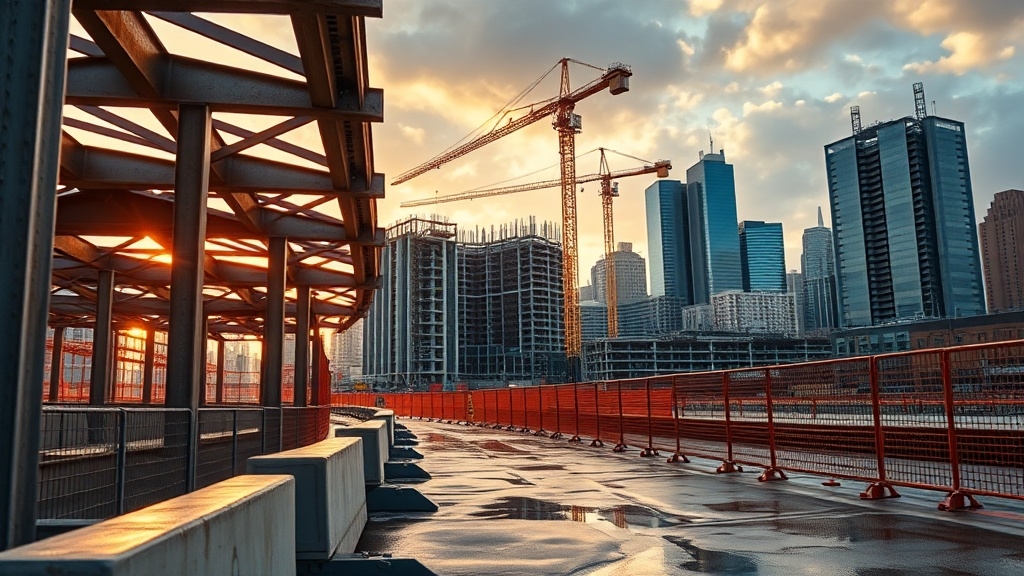
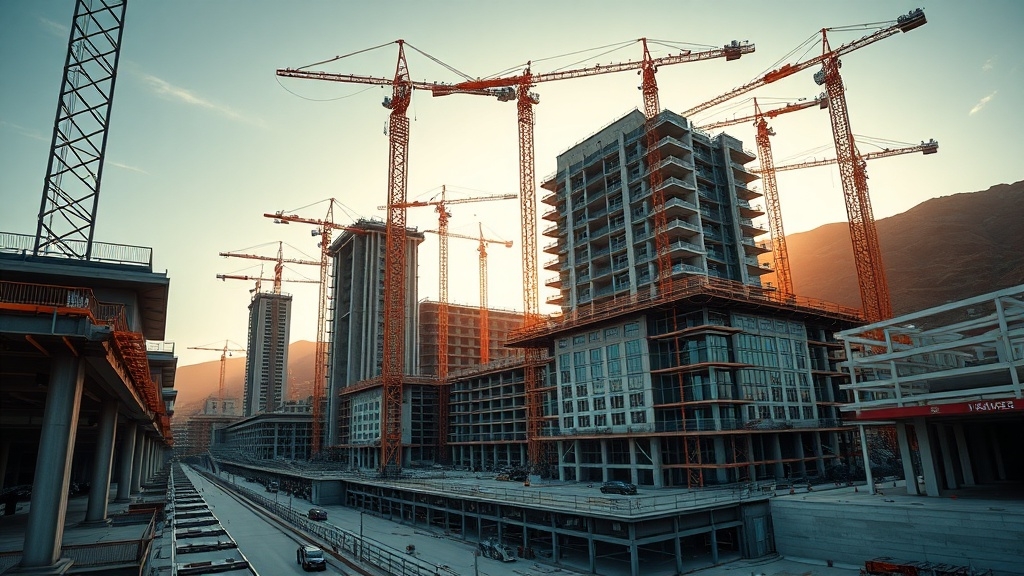
Boston’s development engine has come to a sudden stop as rising interest rates devastate profits and halt project financing, leaving construction sites deserted and half-finished structures dotting the city.
Boston developers now find themselves burdened by mounting debt, with lenders withdrawing support. The city’s vision for growth and affordable housing hangs in the balance as these challenges cast doubt on Boston’s urban future.
Projects Freeze as Costs, Regulation, and Debt Collide
How quickly can fortunes change in Boston’s development environment? In mere months, what was once market optimism among developers has turned into dramatic standstills, as interest rates surge and margins evaporate.
Developers across metro Boston have slammed the brakes on $800 million worth of projects. Higher borrowing costs, once a manageable risk, now compress margins beyond sustainability. Lenders sense the volatility and tighten their grip, making new construction financing nearly inaccessible. As a result, many developers are reassessing their strategies and prioritizing projects that promise quicker returns. In a striking example of this trend, providence developers abandon tower project, highlighting the growing hesitance to take on long-term commitments in an uncertain market. The overall sentiment in the industry suggests a shift towards cautious investment, with many waiting for more favorable conditions before proceeding with planned developments.
Some in the industry worry that the bold rise of aggressive, celebrity-influenced real estate tactics may further unsettle a market already reeling from traditional financing shocks.
Unspecified high-value developments, many poised to reshape Boston’s skyline, hang in limbo. Each pause creates uncertainty, not only for investors but also for construction workers, local businesses, and future residents. The ripple effect from one frozen site extends city-wide, amplifying sector-wide caution.
Across the region, the offshore wind industry in Massachusetts has invested over $330 million in workforce, infrastructure, and project development, but uncertainty in environmental regulation now dampens both the energy and construction sectors.
Evidence from active developments tells a story full of both peril and tenuous hope. The $2 billion BHA redevelopment managed to secure $70 million in financing just before the curtain fell. That window has slammed shut for others.
Twenty-nine affordable housing properties, with more than 2,800 units, still grind forward as of March 2025, but their fate underscores how close even essential projects are to being derailed. Some progress remains—846 affordable units still forecast for completion in 2025.
Boston’s Community Preservation Act demonstrates a continued commitment to affordable housing and community enrichment, with over $38 million in public funding approved for 52 projects in April 2025.
These rays of hope are offset by demolition plans forced to stagger, aiming to minimize the human cost of tenant displacement amidst economic chaos.
Community investment persists, largely propped up by public funds. The Community Preservation Act’s $38 million allocation to 52 projects in May provides lifelines to historic church renovations and school upgrades. But these wins feel puny next to the looming threat. Private donors scramble to fill yawning gaps left by frozen state and federal streams.
Federal funding freezes are no longer hypothetical. USAID aid disruptions set troubling precedents. State and federal clashes over environmental regulation—underscored by the Massachusetts Attorney General’s lawsuit challenging roadblocks to offshore wind—create more permitting drama.
Uncertainty delays vital pipelines. Long-term affordability mandates, designed to shelter residents, now strand developers in financing negotiations that drag months, if not years.
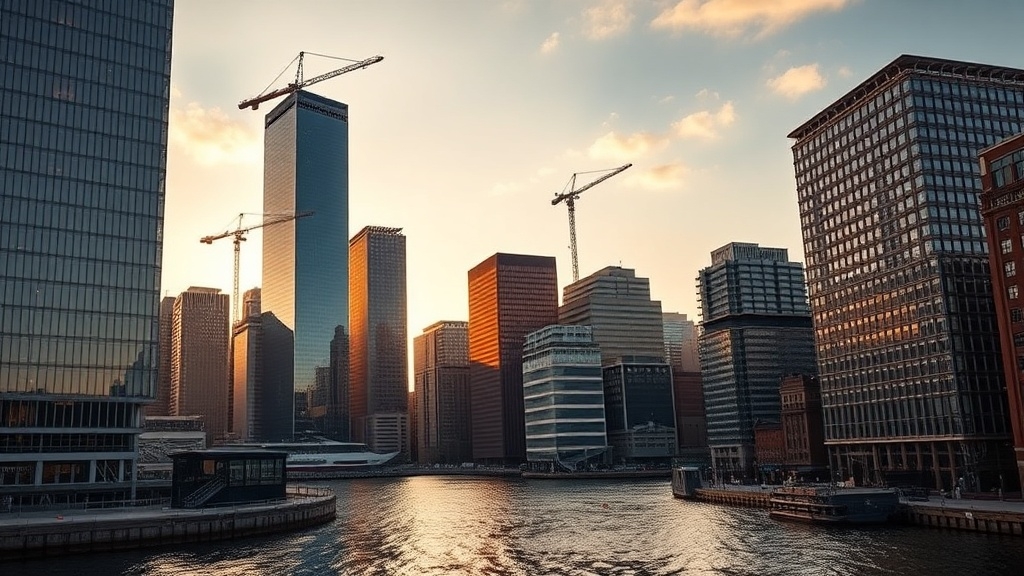
Geographic hotspots, once beacons of transformation, flicker with stalled ambition. Stunning towers rise over South Station, but others halt at their foundations. Dorchester Bay’s 1.6 million square foot project teeters, while Mission Hill’s overdue masonry work limps along thanks to $406,000 in public dollars.
Waltham’s transit-oriented expansion reveals cracks in confidence, putting the dreams of connected, modern living on hold.
Construction costs—still elevated after the pandemic—slash at remaining profits. Lender risk aversion grows sharper, cutting off sites and suffocating supply.
Yet, certain sectors scrape by. Affordable housing shows resilience thanks to consistent CPA allocations. Luxury condo pipelines press on, driven by momentum.
Historic preservation projects win rare budget battles, though most remain in doubt. Senior housing conversions fight for every dollar, pushed by demographic urgency. The stakes rise with each week of inaction.
Boston’s once-bright skyline stands half-finished. Market optimism has faded, replaced by dread as environmental regulation conflicts, debt challenges, and stalled financing place an entire city’s future under threat. The time to adapt is now—or risk being lost in an era of freezes and fear.
Assessment
What’s Next for Boston’s Development Pipeline?
It’s clear that Boston’s once-booming development engine has hit a serious speed bump, with $800 million in projects now stuck in limbo. Sky-high interest rates have squeezed margins, keeping lenders on the sidelines and stalling new deals. As construction grinds to a halt, it’s not just future buildings at stake—jobs and long-term housing goals are on the line, too. If nothing changes, the city’s affordability ambitions and economic growth could face lasting setbacks. Now’s the time for city leaders, developers, and lenders to come together, address rising costs, and get those cranes moving again—Boston’s skyline and economy can’t afford to wait. Failure to resolve Boston highrise financing issues could lead to a prolonged stagnation in urban development, further exacerbating the housing crisis. Stakeholders must collaborate on innovative financing solutions to ensure that projects can move forward and meet the city’s pressing needs. Without immediate action, the dream of revitalizing neighborhoods and providing affordable housing could remain just that—a dream.












5 Responses
Does anyone else think that this freeze might actually help Bostons housing crisis? Could lead to more affordable options!
Isnt it time Boston considered easing regulations to incentivize developers? High interest rates and costs are strangling our citys growth. Just a thought!
Is anyone else thinking this might be the perfect time for local government to step in and invest in affordable housing? Just a thought.
Just wondering, ever thought of focusing on affordable housing instead of these $800M projects? Might solve more problems. Just a thought.
Affordable housing? Sure, lets stagnate progress for mediocre solutions. Great thought!