

Key Takeaways
- Boston’s major high-rise developments are facing a halt due to a sudden collapse in project financing.
- Construction stoppages and abandoned sites signal significant risks for the city’s economic growth and job market.
- Urgent action is needed to prevent Boston’s skyline from reflecting the failures of stalled ambition.
Stalled Skyscrapers Threaten Boston’s Progress
High-rise ambitions are shattering, as Boston’s top developers face an unprecedented collapse in project financing. Money once flowed; now it has vanished, paralyzing towering developments, leaving billion-dollar dreams in ruins.
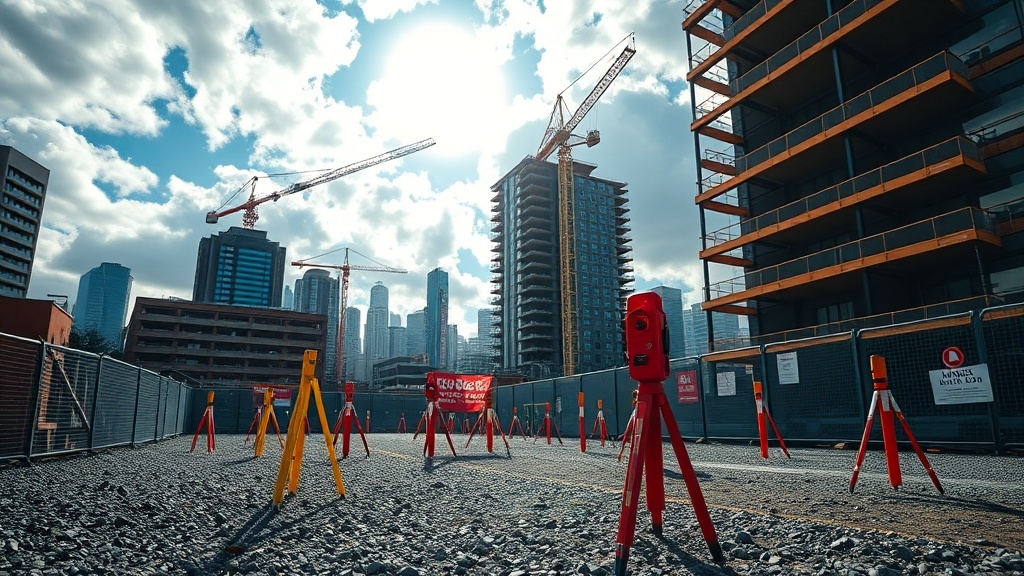
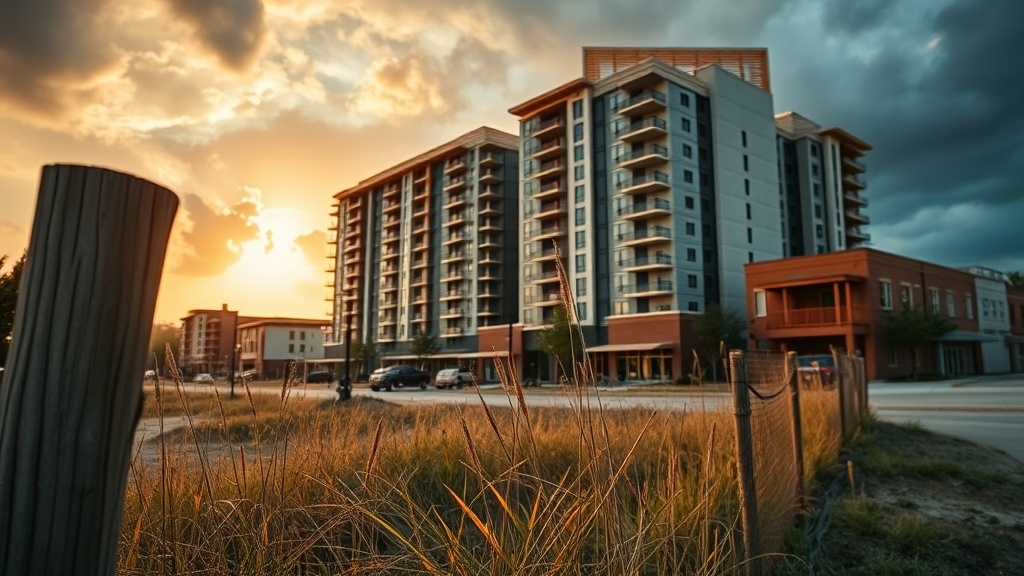
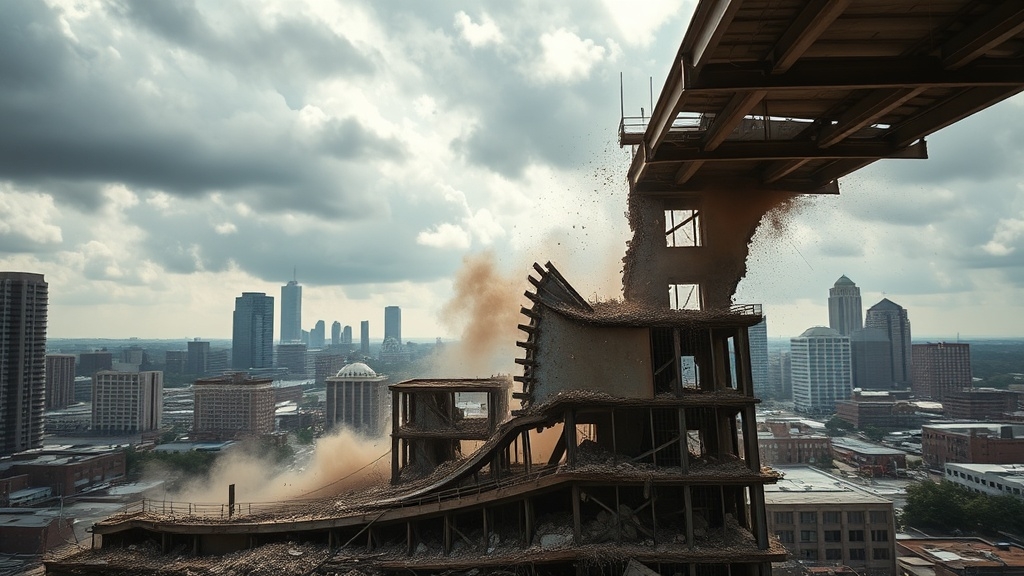
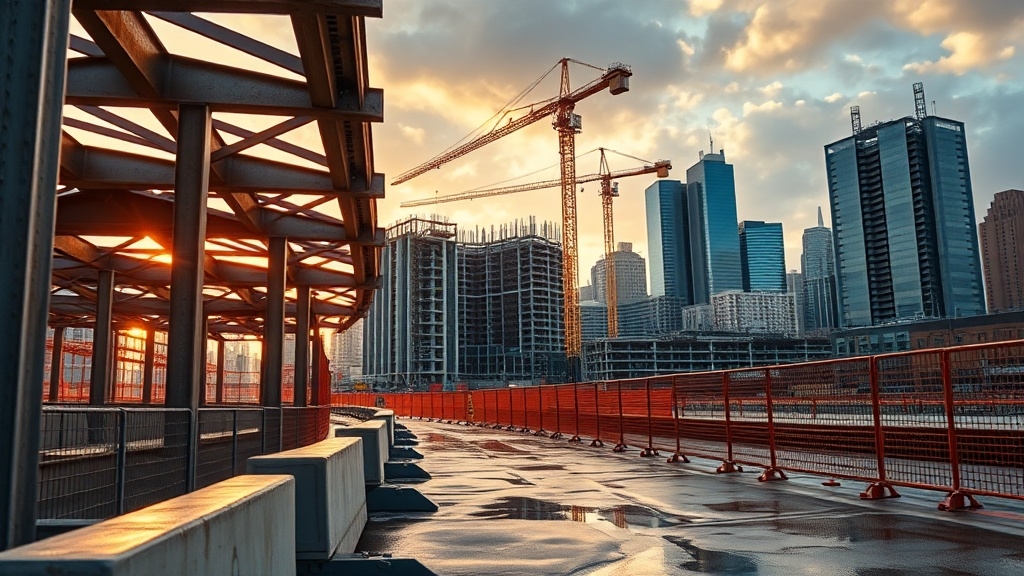
Projects halt mid-air, iron skeletons abandoned, echoing investor panic.
Uncertainty engulfs the city’s future, threatening growth, jobs, and stability. The warning is dire, the risk is immense—without immediate intervention, Boston’s skyline may become a monument to failed ambition.
Boston’s Development Crisis: Projects Frozen, Finances Falter
As Boston’s skyline stands frozen, its high-rise ambitions have collided with a dire financing collapse, threatening to engulf the city’s real estate sector in unprecedented turmoil. Once a beacon for robust urban development, Boston now finds itself in the grip of a devastating downturn, its housing permits plummeting 38% through March 2025—an unrelenting plunge to levels unseen since 2013.
Developers, cornered by skyrocketing interest rates and draconian financing conditions, face suffocating barriers that threaten to halt the lifeblood of city growth. The Greater Boston area’s construction rate has fallen to a 10-year low, deepening concerns over the ability to keep pace with demand for new homes.
Investors, once drawn to the promise of soaring profits and the city’s commitment to urban greenery and community outreach, now flee in droves. The regulatory stranglehold—marked by grueling zoning rules, labyrinthine permit applications, and ever-growing affordable housing mandates—has warped the region’s outlook.
Nationally, housing permits have dropped only 3.7%, but Boston’s collapse starkly outpaces that measure, painting a grim portrait of localized crisis. The disconnect between national trends and local realities highlights the unique challenges faced by Boston’s housing market. In comparison, the Portland housing permit decline has also raised concerns among developers and city planners, suggesting a broader issue of housing affordability that extends beyond Boston. Without immediate intervention, these regional disparities could lead to a continued exacerbation of the housing crisis in urban centers.
The data sends shockwaves: in the first quarter of 2025, only 2,100 private housing units were permitted, marking the weakest pulse of construction in over a decade. Large-scale affordable housing redevelopments, such as the ambitious Mary Ellen McCormack project, struggle to move forward despite secured financing due to regulatory delays and added compliance costs.
Investors, observing Boston’s downward spiral, see only risk ahead. Unfavorable financial returns, shaped by crushing regulatory hurdles, force capital to retreat, further deepening the crisis. As uncertainty looms over the market, potential buyers hesitate, amplifying the fear of a prolonged downturn. The recession impact on property investments has become a focal point for stakeholders, prompting many to reevaluate their portfolios. Consequently, as capital flows diminish, the city’s infrastructure projects and community developments suffer, resulting in a bleak outlook for real estate recovery.
The bottleneck begins at the city’s permit office, where project after project stalls amid suffocating complexities.
Restrictive zoning frameworks stretch approval timelines far beyond reason.
Affordable housing mandates, intended to aid the vulnerable, instead heap more delays on every proposal.
The city’s push for sustainable housing entwines further compliance layers, paralyzing development plans, as ambitious goals around urban greenery and community outreach falter under the weight of mounting red tape.
This cascade of hardship comes at an unbearable price for the city’s budget. Boston derives more than 30% of its tax revenue from commercial property, the highest among major US cities—a staggering dependency now placed at grave risk.
Soaring office vacancies ignite the specter of an “urban doom loop,” a spiral of devaluation and lost tax revenue that threatens to strip the city of billions over the next decade.
Hybrid work, once hailed as a sign of progress, has instead triggered a collapse in demand for office space, undercutting values and brutalizing tax assessments, slashing the very funds needed to keep city services alive.
As affordable housing projects fight through funding gaps, policy mandates force private developers to the brink.
Subsidized housing faces new compliance demands, slowing construction to a crawl.
Any hope for market stabilization wavers, as institutional investors stand back, alarmed by relentless financing volatility.
The risks mount. Construction stagnation foreshadows years of housing shortages, sparking relentless price inflation.
Commercial vacancies rot the tax base, threatening city services.
The future hangs in the balance, as policymakers struggle in vain to recalibrate.
Without decisive relief, Boston’s skyline will remain still—a frozen warning of what awaits cities that cannot untangle their own knots.
Assessment
Boston’s development scene is facing serious challenges. Where there once were bold plans for gleaming towers, now construction sites stand quiet as financing dries up and investors pull back. The uncertainty in the market has led to a wave of project cancellations, with all eyes on how long this trend will last. In a recent turn of events, providence developers abandon tower project, leaving many to wonder about the future of the city’s skyline. As local businesses brace for the potential economic fallout, the community hopes for a revival in investment and renewed ambition.
High-rise projects that promised to reshape the city are stalled, and the pace of building has slowed almost to a standstill. Without some sort of decisive, wide-reaching solution, Boston could see its growth frozen and its economy take a real hit.
The city’s real estate future feels uncertain, with hope giving way to doubt for developers and residents alike.
These issues won’t solve themselves—Boston needs leaders, investors, and community members to come together and find creative ways to keep development moving forward. If we want to see those empty frameworks become thriving neighborhoods, it’s time for everyone to get involved and help chart a better path before the city’s momentum is lost for good.










8 Responses
Maybe its time Boston rethinks its love for skyscrapers? A shift towards sustainable, low-rise development wouldnt be so bad, would it?
So, are we just ignoring the elephant in the room? Maybe this financing collapse is Mother Nature saying, Enough with the high-rises, Boston! Just a thought.
Isnt Bostons skyline better without those high-rises anyway? Maybe this financial hiccup is natures way of preserving historic charm.
Honestly, maybe its a good thing. Less high-rises, less gentrification. Boston should focus more on affordable housing than more skyscrapers. Just my two cents.
So, are we just ignoring the fact that these frozen projects might be a blessing in disguise, easing the gentrification issues? Just a thought.
Blessing or not, gentrification isnt solved by freezing progress. Think bigger!
The US economic turmoil caused by Trump, Mayor Wu’s anti-high rise bent, RABID NIMBYISM against ANYTHING taller than 5 stories, FAA limits on high rise developments, stringent zoning restrictions, Byzantine permitting procedures, the ludicrous anti shadow legislation, et al will more than likely cause ALL MAJOR CONSTRUCTION projects to be forever mothballed here in Boston!!! To me it is already all too evident – many, many proposed building projects seem to have evaporated suddenly! As a little boy growing up in Boston in the late 1950’s and early 1960’s I was witness to a dirty, filthy and sullen Boston in dire need of development. Of course through the following decades in the later twentieth century and then into the 2000’s Boston became a shining example of what could be done to revive a City that once fell into ruin with old buildings and neighborhoods falling into disrepair becomming slums and tens of thousands fleeing the central city for the suburbs. OH WELL!!! History has a habit of repeating itself and sorry to say the end is near once again for Boston. My prediction is that over the next 30 to 50 years Boston will once again see the return of the scourge of slums, the incredible shrinking of the tax base, the rapid decilne in population and ther like. It was all great while it lasted. As Detroit rebounds somewhat from it’s days of urban decline, I hate to say it but it looks like Boston will probably become another Detroit!! I am NOT A TRUMPER but I think Wu needs to go for starters and the City is in DIRE NEED of pulling the plug on many of the causitive agents that wiil put a stop to growth from happening here in Boston.
Philip, your comment captures the frustration and fear many Bostonians are quietly feeling. This perfect storm of economic strain, hostile zoning policy, anti-growth ideology, and bureaucratic red tape is stopping the same momentum that once helped Boston rise from the ashes. You’re absolutely right to point out the clear parallels between today’s stalled developments and the urban decay that gutted the city after the 1950s. The promise of renewal we once saw through cranes and concrete is now slipping into silence. If city leadership and urban policy do not change direction quickly, your prediction of Boston following the path of decline seen in Detroit may not just be a warning. It could become reality. Thanks for commenting.