
Housing Composition and Affordability
With the announcement of 754 planned apartments in two towering structures on Morrissey Boulevard, housing composition in Boston faces a dramatic shift. The proposal integrates both market-rate and affordable units. This marks a pivotal moment in Boston’s housing environment. Approximately 150 of these units are income-restricted rentals. This ensures residents from diverse backgrounds can access housing. The emphasis on affordable units aligns with the city’s equity goals. It represents a strategy for creating mixed-income communities. Developers POB Capital and Copper Mill are driving this initiative, reflecting a commitment to addressing housing needs. Inclusive design principles are woven through the project. Affordable units are carefully distributed alongside market-rate apartments. This encourages an integrated living environment. It not only expands the city’s housing stock but also addresses cost burdens. Many residents in the rapidly evolving Dorchester neighborhood will benefit from this. The project supports mixed-use, sustainable urban living.
Community and Public Amenities
Boston Towers on Morrissey Boulevard are set to transform the housing landscape. They promise to redefine community engagement with a remarkable array of public amenities. The development leverages networking opportunities to foster partnerships beneficial for enhancing community environments. Indoor spaces like fitness centers and multi-use rooms enhance wellness. These features also promote social interactions among residents. Developed by The Michaels Organization and The Phillips Group, they aim to seamlessly integrate into the Dorchester community.
Outdoor courtyards and roof terraces offer beautiful gathering spaces. They provide scenic views that residents can enjoy.
Transportation options are enhanced with convenient shuttle services. The proximity to transit further improves accessibility.
Nearby wellness complexes enrich community health. Redesigned open areas strengthen social cohesion, fostering deeper community ties.
| Indoor Facilities | Outdoor Spaces | Transportation |
|---|---|---|
| Fitness centers | Landscaped courtyards | Shuttle services |
| Multi-use rooms | Roof terraces | Proximity to transit |
| Business centers | Bike paths | Underground parking |
| Work-from-home spaces | Grill and picnic areas | Accessibility features |
| High-speed internet | Dog parks | MBTA connections |
Economic and Environmental Impacts
Economic transformation looms on the horizon for Morrissey Boulevard. This shift threatens seismic changes in local housing dynamics and broader market trends.
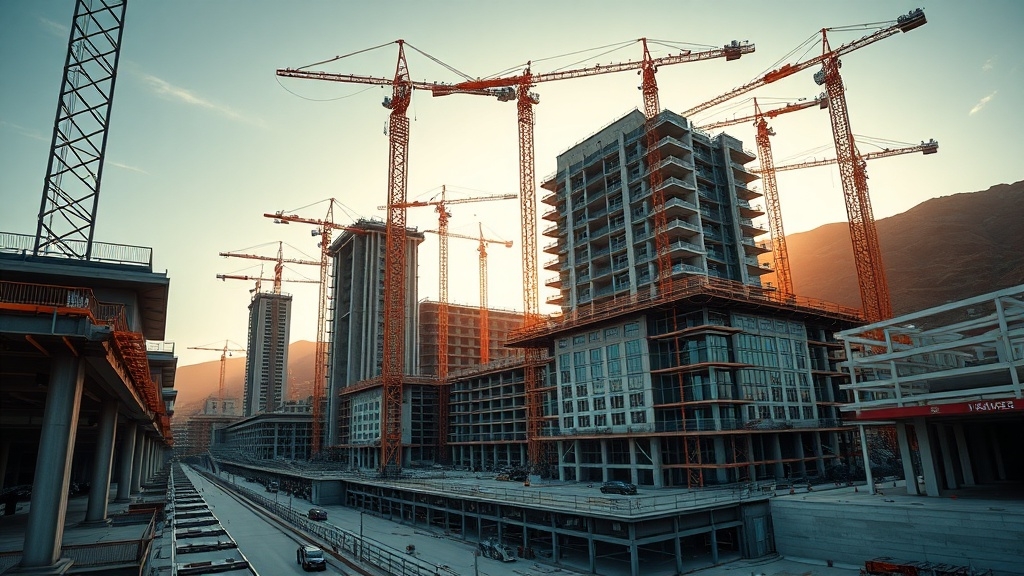
The introduction of two new 18-story residential towers with 754 apartments promises significant job creation. Opportunities will arise in construction, retail, and property management sectors.
These developments are part of Boston’s strategy to increase housing supply. This initiative could potentially stabilize housing prices.
The inclusion of 150 affordable housing units addresses income diversity. This step supports a more inclusive community.
Meanwhile, the creation of community and retail spaces encourages small business growth. This promotes economic diversity in the area.
Environmentally, the development emphasizes urban ecology. Plans include a half-acre park and 4.7 acres of open space.
These features aim to improve stormwater management. They also enhance urban heat island mitigation.
Such efforts align with climate resilience goals, benefiting the community.
Adding to the developments’ significance are the experiences of communities facing the nationwide rise in HOA fees, highlighting the need for affordable housing options that prevent financial strain.
Transportation and Infrastructure Upgrades
As Boston’s urban environment transforms, Morrissey Boulevard stands ready for essential upgrades. The redesign aims to improve traffic flow and enhance safety measures.
Plans for flood mitigation include installing a raised berm. This berm will also serve as a multi-use pathway, offering significant improvements for pedestrian and cyclist access.
Multimodal integration is a key focus, especially around the JFK/UMass station area. Enhanced crosswalks and better lighting are part of this initiative.
The boulevard serves as both a main vehicular route and a hub for public transportation. Balancing regional mobility with upgraded non-vehicular infrastructure is crucial.
These upgrades are part of a comprehensive approach to modernize Morrissey Boulevard. The goal is to ensure resilience and accessibility.
Assessment
The proposed development on Morrissey Boulevard heralds significant changes for Boston. It promises a blend of housing diversity and affordability amid rising urban challenges.
As plans unfold, community engagement will be pivotal. This will shape the inclusion of public amenities tailored to local needs.
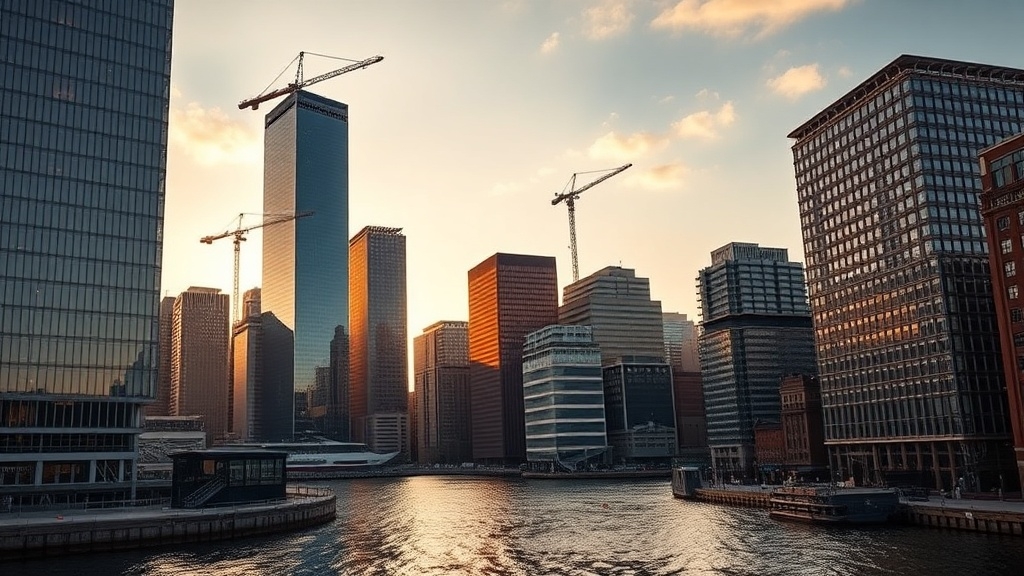
The economic ripple effects, coupled with committed environmental stewardship, are poised to redefine the skyline. Infrastructure enhancements, particularly in transportation, could soon enhance regional connectivity.
This project underscores the potential to redefine urban living in Boston.








4 Responses
While I agree we need more housing, isnt jamming towers on Morrissey Blvd just inviting traffic nightmares? What about green spaces?
Just read about the Boston Towers on Morrissey Blvd. What about affordable housing? Seems like another playground for rich, ignoring common folk, eh?
While Im all for development, arent we just promoting gentrification here? What about affordable housing and the impact on the local community? #JustSaying
Development can coexist with affordable housing. Its about balance, not displacement. #ProgressWithPurpose