
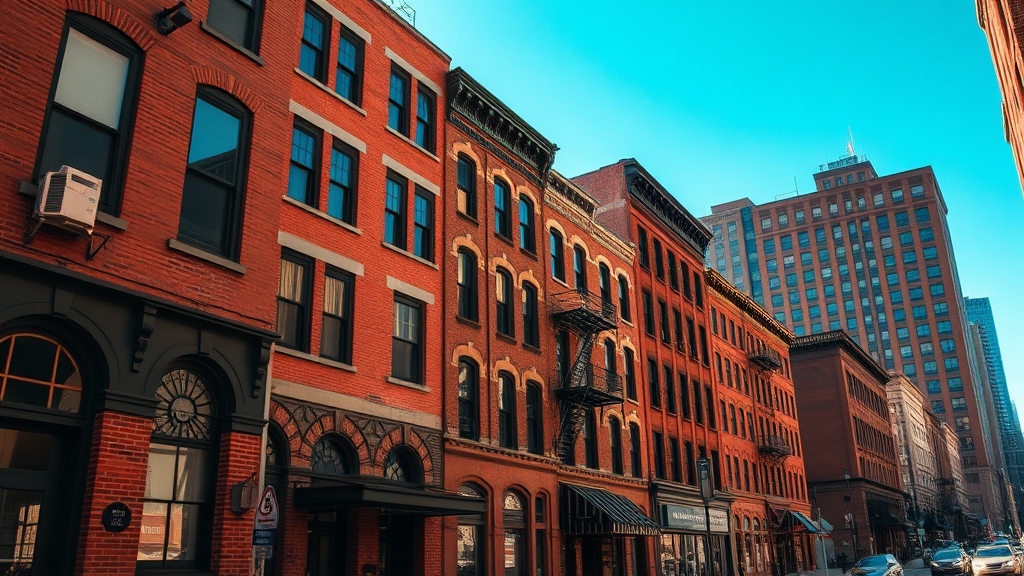
Key Drivers of Buffalo’s Competitive Multifamily Market
Several factors are intensifying the competition in Buffalo’s multifamily real estate market.
The city’s flourishing job growth and economic expansion inadvertently fuel this rivalry. Prominent employers such as Tesla, Kaleida Health, and M&T Bank contribute to a wave of new residents. This influx maintains a vigorous demand for multifamily units. Meanwhile, the success of integrated suburban communities in other cities demonstrates a broader trend towards multifamily living both in urban and suburban contexts.
Amid this surge, demographic shifts arise. A notable influx of young professionals, families, and college students drives an increased need for rental housing. Buffalo, ranked as the #1 hottest housing market, exemplifies the drawing power of its multifamily spaces. This shifting preference underscores the allure of adaptable, multifamily living spaces over homeownership. It aligns with urban revitalization efforts.
With population growth in tow, young professionals are attracted to Buffalo’s affordability. Compared to other national averages, Buffalo cements its position in a competitive, vibrant market.
Geographic Hotspots Fueling Buyer Demand
Buffalo’s multifamily market is highly competitive, fueled by emerging geographic hotspots. Investors are particularly drawn to these areas due to various attractive factors.
Elmwood Village and Allentown captivate with their thriving commerce and rich cultural offerings. These neighborhoods are particularly appealing to investors.
North Buffalo and Hertel Avenue garner interest for their diverse housing options and appealing amenities. These features make the area attractive for both residents and potential investors.
Black Rock and the West Side offer affordable multifamily properties. This affordability makes them highly attractive to yield-seeking investors.
The East Side stands out for its high cash flow potential. This is particularly due to the possibility of Section 8 rentals.
Neighborhoods close to downtown, like Delaware District, benefit from Buffalo’s revitalized urban core. Proximity to downtown amplifies the demand in these areas.
These hotspots fit perfectly into investor strategies targeting both affordable and higher-end markets. They cater to a wide range of lifestyle needs.
Amenities such as parks and transit accessibility further enhance neighborhood appeal. These factors make the areas more attractive to residents and potential buyers.
With a median home price reaching approximately $180,000, Buffalo’s real estate market reflects a thriving environment that continues to stimulate investor interest.
Impact of Limited Housing Supply on Bidding Wars
Amidst Buffalo’s fiercely contested real estate environment, limited housing supply emerges as the primary catalyst driving bidding wars to unprecedented levels. With a mere 1,704 active listings by mid-2025, supply consequences push buyers into intense competition. This intensifies urgency and escalates prices. Properties vanish from markets in a median of 16 days, far below the national average. The scarcity spurs buyers to make swift decisions. Faced with rapid sales, buyer strategies adapt. They waive contingencies and bid above asking prices to contend in this seller’s market. The consequence is a price escalation, with a 16.2% annual rise. Buffalo’s affordability attracts more buyers, intensifying demand. Persistent job growth outpaces housing development. This further skews the supply-demand balance, amplifying bidding wars. Despite this localized fervor, the U.S. housing market is nearing disaster due to inventory surges and affordability crises, threatening broader market stability.
Investment Opportunities and Market Strategies
Buffalo’s housing market is experiencing a surge in demand. Investors are finding significant opportunities in affordable multifamily assets.
The city’s economic resilience is supported by strong job growth from key industries like Tesla and Kaleida Health. This fosters rising rental trends.
With median sale prices on the rise, multifamily investments offer stable returns. These returns are driven by increased rental rates.
Investor strategies focus on quick, competitive acquisition due to intense market dynamics. Proximity to the Canadian border boosts Buffalo’s investment appeal.
Cross-border interest is escalating bidding wars. Agility and competitive pricing are crucial to secure deals amid limited inventory.
This environment creates fertile ground for investors. Strategically positioning within Buffalo’s multifamily market is increasingly advantageous.
Assessment
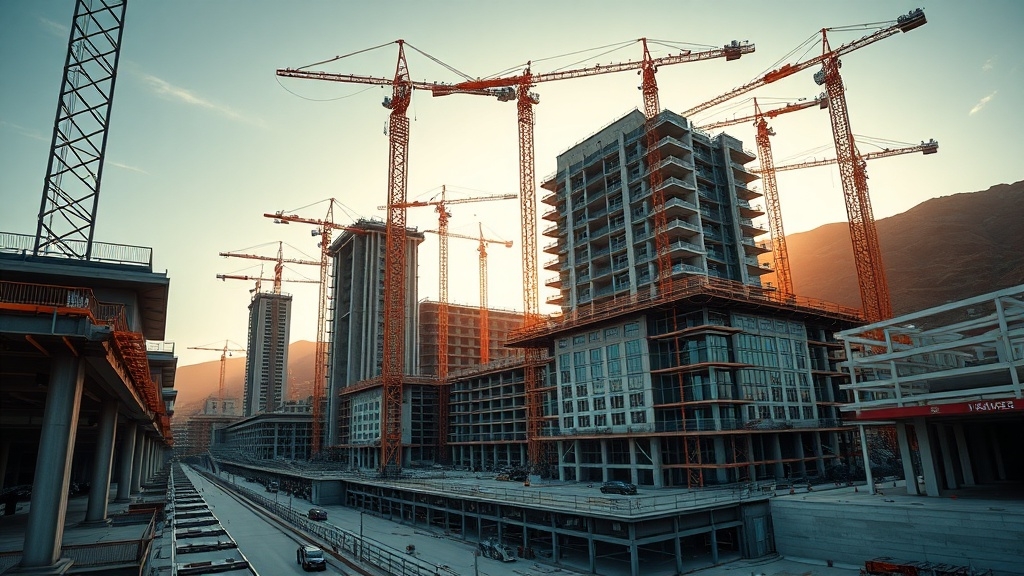
Buffalo’s multifamily market is experiencing unprecedented levels of competition. This surge is driven by limited supply coupled with strong buyer demand.
Key geographic hotspots are further intensifying the bidding wars. Investors are actively seeking lucrative opportunities in these areas.
The scarcity of available housing units has escalated negotiations. Consequently, buyers are being pushed to strategize aggressively.
As this trend continues, real estate professionals face a high-stakes environment. They must navigate through challenges while identifying viable investment prospects.
The dynamic scenery underscores the urgency for swift decision-making. Strategic choices are critical in this fiercely contested market.


















7 Responses
Interesting read, but arent we overlooking the impact of gentrification on local communities with these bidding wars? Just food for thought.
Absolutely, gentrification cant be ignored! Its capitalisms harsh reality, not just food for thought.
Is the Buffalo bidding war really about buyer demand or just another bubble waiting to burst? Just food for thought, folks!
Is Buffalos bidding war just a bubble inflating? Wondering if its just smart marketing rather than real demand. Thoughts?
Doesnt anyone else think these bidding wars are artificially inflating Buffalos market? Feels like another housing bubble in the making to me.
Bidding wars reflect demand, not artificial inflation. Its market dynamics, not a bubble!
Anyone else think Buffalos multifamily market frenzy is an orchestrated bubble? What if these hotspots are just an illusion for real estate moguls?