

Surge in Suburban Rental Demand
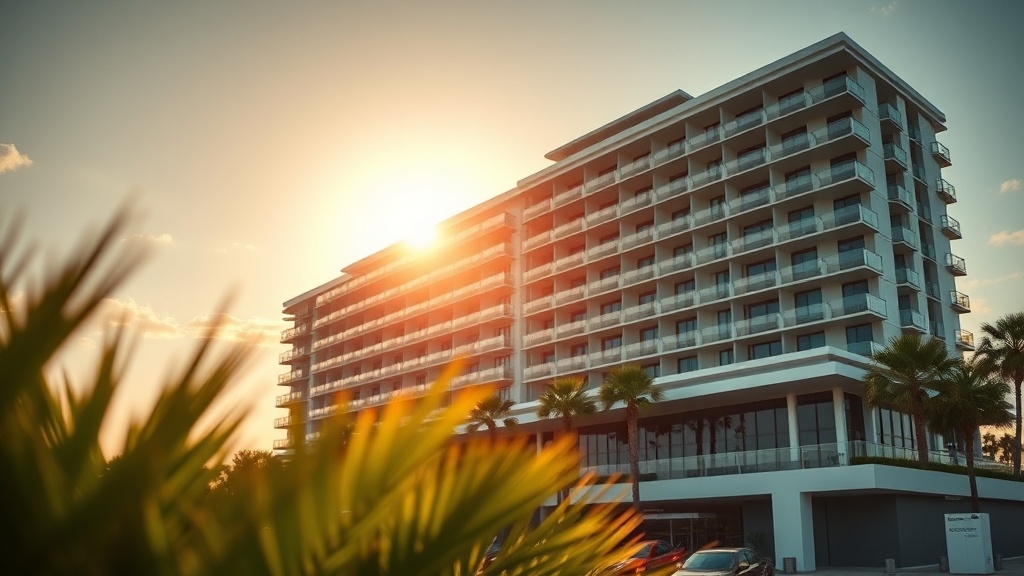
As urban exodus accelerates due to rising urban living costs, suburban Chicago emerges as a crucial center for rental market trends. The area ranks as the second most competitive rental market in the U.S. at the start of 2025. Key demand drivers are corporate relocations and business expansions. Suburban amenities and affordability play a significant role in attracting renters. Many prospective tenants, particularly remote workers, desire the balance of suburban living with city access. The region’s beauty and spacious living options add to its appeal. Urbanization fuels economic growth and is reflected in the rising demand for suburban living as city dwellers seek more spacious and affordable alternatives. Suburban vacancy rates remain critically low at 3-5%, intensifying competition. Approximately 14 prospective renters compete for each available unit. With high lease renewal rates, newcomers find it increasingly difficult to secure housing. Demand significantly outstrips supply, solidifying the area’s status as a competitive rental hotspot. The increased demand has led to blocked access to resources like RentCafe, as online security measures can occasionally prevent users from finding rental information.
Impact of Pricing and Vacancy Trends
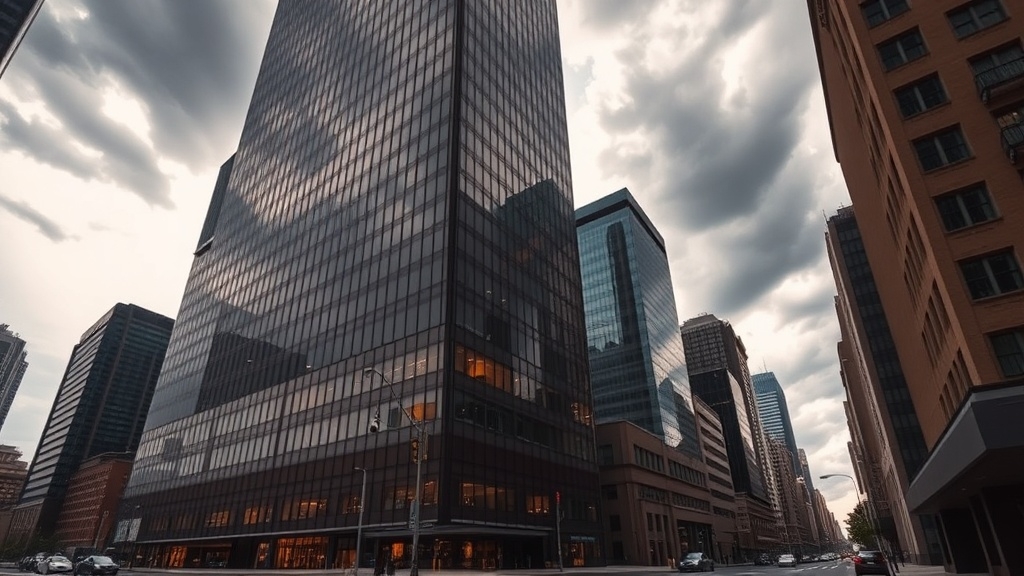
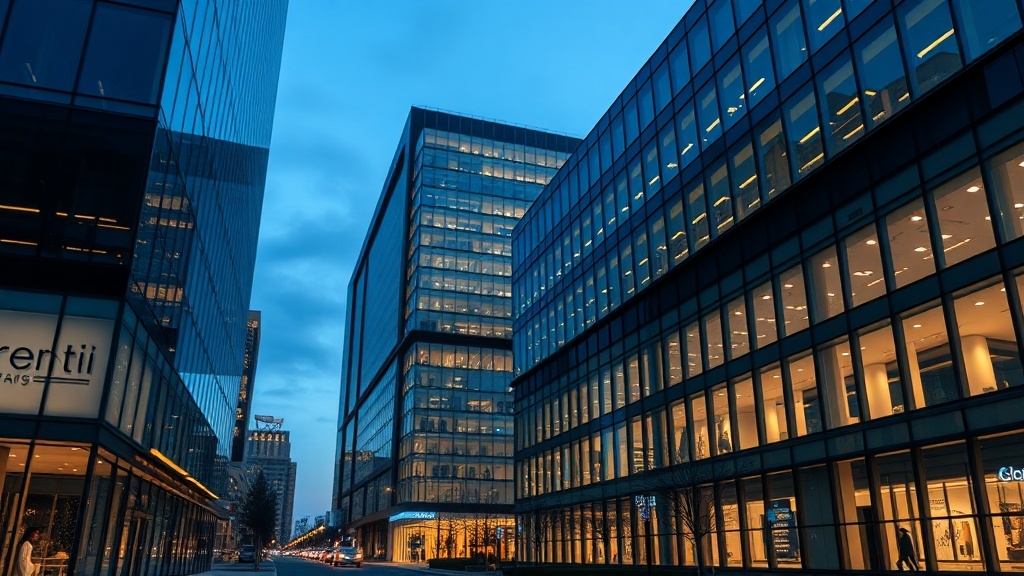
Pricing in prime luxury buildings is holding steady; lowball offers are less effective. Pricing trends in Chicago’s luxury rental market reflect the current supply constraints and unwavering demand.
Rental pricing for luxury units stands firm, driven by tightening vacancy rates in sought-after neighborhoods such as Logan Square and Andersonville.
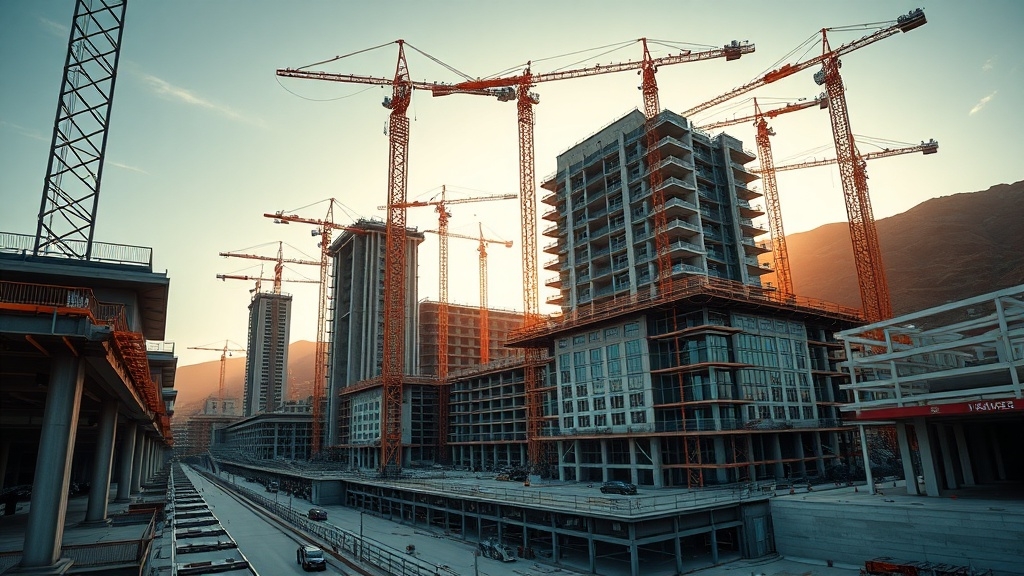
The decrease in new multifamily construction exacerbates supply shortages. Due to this limited inventory, landlords maintain firm pricing. Rising rental demand as many choose to rent instead of purchase amplifies this trend, pressuring renters further amidst affordability concerns.
High-floor and premium units command significant pricing power. These units move swiftly with minimal negotiation.
Despite some softening in condo prices, prestigious buildings like Tribune Tower maintain high rates. This reinforces stability in the luxury market.
With vacancy rates low, prospective buyers continue renting, which bolsters demand further.
As construction remains sluggish, rent growth projections indicate a return to traditional averages. This pressures renters as affordability concerns mount.
Legislative and Anti-Gentrification Influences
The escalating rent pressures in Chicago’s luxury market highlight how legislation significantly shapes the real estate environment.
Key legislative impacts focus on anti-gentrification measures aimed at maintaining affordability.
One significant measure is the Tenant Right of First Refusal (ROFR). This grants tenants a 60-day purchase option before property sale, with a possible 30-day extension for forming an association.
Another measure includes imposing demolition fees on multi-family properties. These fees are directed towards affordable housing trusts.
A targeted strategy is applied geographically. An initial 6-square-mile area is chosen to preserve affordability in high-pressure neighborhoods.
The legislation aims to slow property sales and discourage speculative redevelopment.
These efforts create a legal framework prioritizing tenant stability. This approach limits displacement and speculative interests in Chicago’s neighborhoods.
Luxury Market Dynamics and Forecast
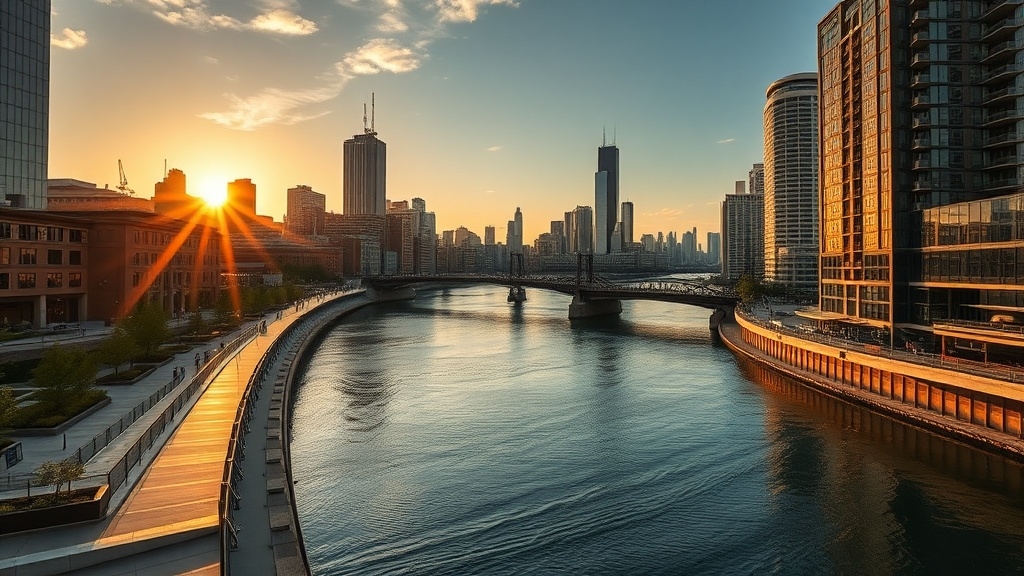
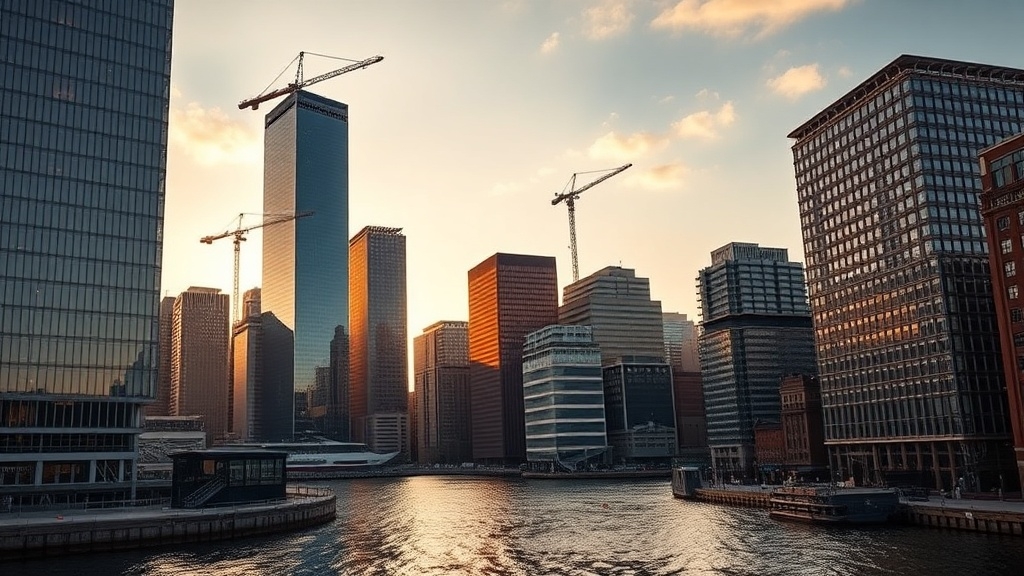
With a surge in luxury rental demand in Chicago, real estate dynamics are undergoing significant shifts. City apartments, commanding rents of $3.61 per square foot on average, are driving renter migration toward the suburbs. Luxury amenities such as those in the Gold Coast and Lincoln Park contribute to monthly costs near $3,610. Meanwhile, construction delays have constricted supply, pushing more renters to suburban markets where newer, affordable options exist. In those areas, rent hikes are nearing double digits as more city dwellers seek expansive, well-appointed accommodations. The rental market is thriving despite a collapsing housing sector nationally, reflecting a broader trend observed across U.S. cities. Forecasts predict sustained pressure on city rents with a 3.5% growth annually through 2026. As renters maneuver through these dynamics, strategic choices between urban and suburban luxury living will shape Chicago’s market environment.
Assessment
The shift from Chicago’s luxury rental market to burgeoning suburban demand signals a profound change. This transition reflects evolving regional real estate environments.
Pricing pressures and changing vacancy rates are reshaping rental dynamics. These factors significantly influence both renters and investors alike.
Contributing factors include legislative measures that affect urban appeal. Anti-gentrification efforts further redirect interest toward the suburbs.
With these forces at play, stakeholders must closely monitor future trends. The suburbs emerge as pivotal players in a market once dominated by Chicago’s opulent allure.













6 Responses
Isnt the luxury renters exodus just proof that Chicagos gentrification efforts have backfired? Maybe the burbs aint that bad after all. 🤔💭
Interesting read, but dont you think the luxury renters are just fleeing high Chicago taxes? Maybe its not only about gentrification and market dynamics.
So, Chicagos luxury renters are vanishing… maybe theyre tired of overpriced shoeboxes and prefer suburban space? Just a thought! City living isnt everything, guys.
Or maybe theyve simply realized theyre paying for a skyline view, not a home.
Well, isnt this just rich folks fleeing urban chaos and driving up suburban rents? Gentrification is just shifting its location, not disappearing!
Isnt it ironic how we complain about gentrification, yet were now celebrating luxury renters moving to the suburbs? Just food for thought!