

Key Takeaways
- Over 600 multifamily units in Chicago have entered receivership, signifying significant distress in the city’s rental market.
- The crisis is marked by rising vacancies, escalating rents, and stalled development projects, creating uncertainty for investors and renters alike.
- While downtown faces strong rental demand, southern neighborhoods struggle with excess supply, highlighting the sector’s uneven recovery.
Diverging Fortunes in Chicago’s Rental Market
Chicago’s once-thriving multifamily sector now teeters on the edge of catastrophe. Over 600 residential units have plunged into receivership, casting a dark shadow across the city’s rental market.
Rising vacancies, surging rents, and deepening financial distress grip investors in fear.
Downtown jostles with relentless demand, while southern regions drown in oversupply. Stalled development projects now face extinction.
The risk grows by the hour—grim consequences loom, threatening every corner of the city’s real estate terrain.
Crisis Deepens in Chicago’s Multifamily Market
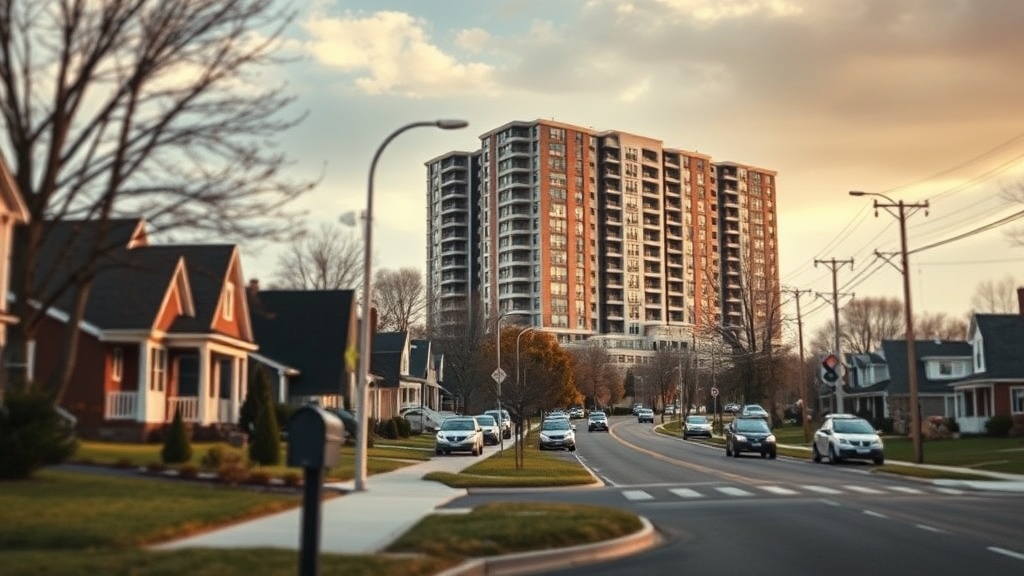
How deep does the crisis run in Chicago’s multifamily market? Amid glittering towers filled with luxury amenities, an undercurrent of instability threatens to drag the city’s rental housing sector into chaos.
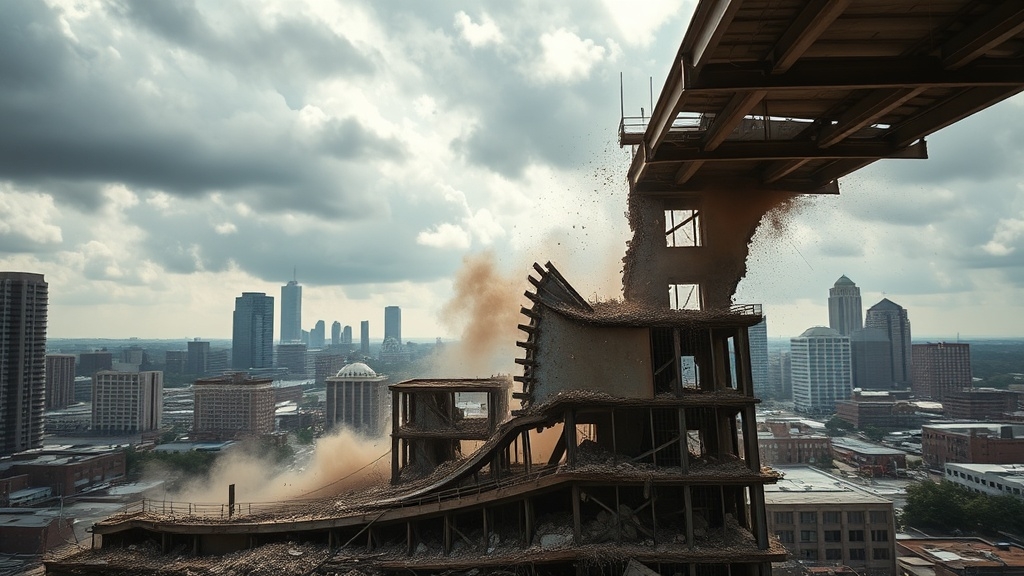
In a shocking turn, more than 600 multifamily units have entered receivership, casting a long, cold shadow over Chicago’s bustling skyline. The sense of urgency is palpable as real estate investors and industry professionals brace for aftershocks that reach far beyond individual properties.
Rising rents continue their relentless march, with projections exceeding 3.5% by the end of 2025, feeding a voracious demand for upscale living and luxury amenities.
Yet, beneath the polished veneer of rooftop pools and concierge services, a devastating affordability crisis has festered.
As oversupply in certain markets threatens stability across cities nationwide, Chicago finds itself especially vulnerable to worsening imbalances and investor caution.
As the quest for ever-more lavish comforts intensifies, so does the gap between what renters need and what they can afford. The relentless cost surge is now colliding with the harsh reality of stagnant wages and economic upheaval, driving a profound fracture in the market.
Chicago’s diverse economy—long considered a stabilizing force—is no match for the mounting storm.
Sustainability and green building practices are becoming more important as both investors and tenants look for properties that offer energy efficiency and eco-conscious amenities.
The city’s high occupancy rate of 95.3% masks the creeping rise of vacancy rates, which have now reached a hair-raising 5.5%. With 30 renters fighting for every available unit, the illusion of stability shatters.
The once-thriving downtown and North Lakefront submarkets cling to robust demand, but other neighborhoods, particularly in the southern regions, stagger under the weight of move-outs, economic restructuring, and oversupply fears.
Mixed-use developments, once hailed as the saviors of urban living, now teeter on the edge. As investors chase diversification benefits, some are blindsided by submarkets slipping into distress.
Revitalization projects and dreams of walkable, modern communities are interrupted by the chilling specter of receivership, exposing the raw vulnerabilities of even the most ambitious projects. The threat is no longer distant—it is present, immediate, and merciless.
The specter of rent stabilization haunts every conversation. Calls to regulate soaring rents clash with the needs of owners to cover costs and preserve property values.
The ongoing debate intensifies, fueled by fears that sweeping policy changes could trigger an exodus of investment, crushing any hope for renewed stability.
The market teeters on a knife’s edge, with policy decisions threatening either swift relief or devastating collapse.
Every data point serves as a warning bell. As absorption rates remain moderate and new projects slow in the face of uncertainty, Chicago’s multifamily sector faces a sobering reality: the peril is real, the time to act is now, and the city’s housing future hangs precariously by a thread.
Investors, developers, and renters must confront the fragility exposed by 600 units in receivership, as the multifamily crisis in Chicago accelerates toward an uncertain and terrifying horizon.
Assessment
Chicago’s multifamily market is facing a serious crisis. Over 600 homes have fallen into receivership, vacancies are on the rise, and rents keep climbing, making affordability a thing of the past for many.
New development feels stalled out, and any sense of optimism has all but disappeared. While downtown still manages to hum along, many of the city’s southern neighborhoods are overwhelmed by too many empty units and growing financial distress.
If leaders and stakeholders don’t act fast and decisively, investors and the city alike could be staring down a future filled with abandoned buildings, big financial losses, and an even shakier housing market.
Let’s not wait until things get worse.
The city needs collaborative action—from policymakers, investors, and community leaders—to stop this trend before it spirals further out of control. Addressing vacancies, supporting affordability, and encouraging responsible development will make all the difference.
Chicago’s stability is at stake, so the time to come together and act is right now.











6 Responses
Isnt this crisis just natural market correction? Maybe its time to rethink urban development strategies, folks! #FoodForThought.
So, are we just gonna ignore the elephant in the room here? High taxes, anyone? Chicagos just pricing its own people out!
Interesting read but isnt it odd how downtown thrives while the outskirts suffer? Maybe its time for some rent control measures, Chicago?
Isnt this crisis just a symptom of broader economic disparities? Maybe its time for Chicago to rethink its housing policies, no?
Or maybe its time for individuals to take personal responsibility and stop blaming the system?
Interesting read, but isnt it ironic how luxury condos flourish while affordable housing is in crisis? Whats the citys plan? 🤔 #ChicagoHousingCrisis