
Unprecedented Challenges in Senior Housing Development
As the U.S. approaches an era with a significantly older population, the senior housing sector faces a deepening crisis.
The anticipated growth in the 80+ population, set to increase by over 4 million by 2030, exacerbates this situation.
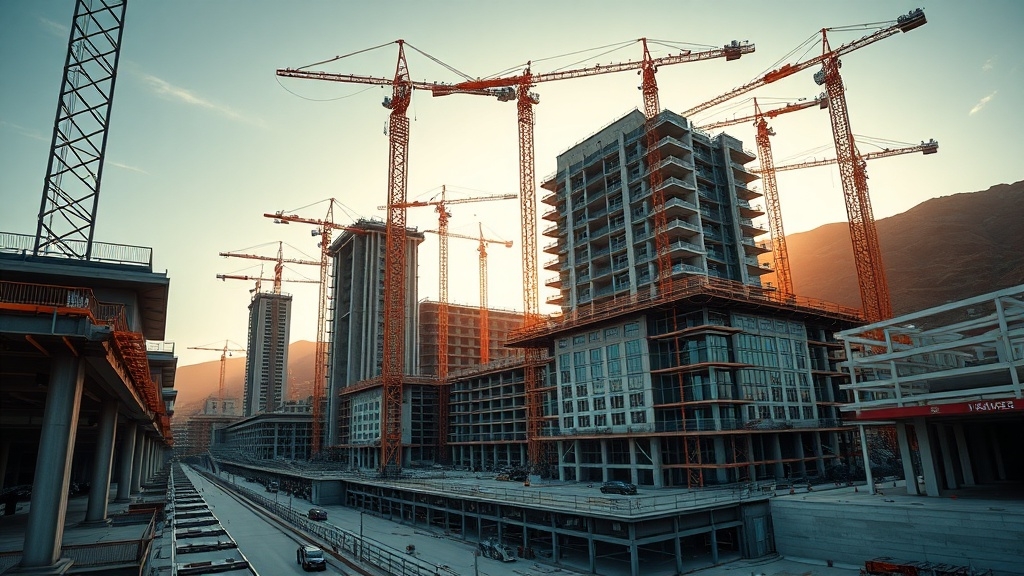
Construction delays continue to be an ongoing challenge. These delays extend the development timelines to around 29 months.
Financial constraints further limit new projects. High interest rates and escalating construction costs deter expansion efforts. This impacts the availability of much-needed units.
In addition, regulatory compliance with federal and state-specific rules also plays a crucial role in the development and operation of senior housing communities.
Construction costs alone have risen considerably. This further restrains project initiation.
By 2030, only 191,000 units are expected against a need for 560,000. This leaves a substantial gap of nearly 370,000 units. Nearly 60% of markets have no new senior living projects underway, contributing significantly to the supply shortage.
Additionally, many existing communities are over 25 years old and require attention.
Notable Projects Addressing Senior Housing Needs
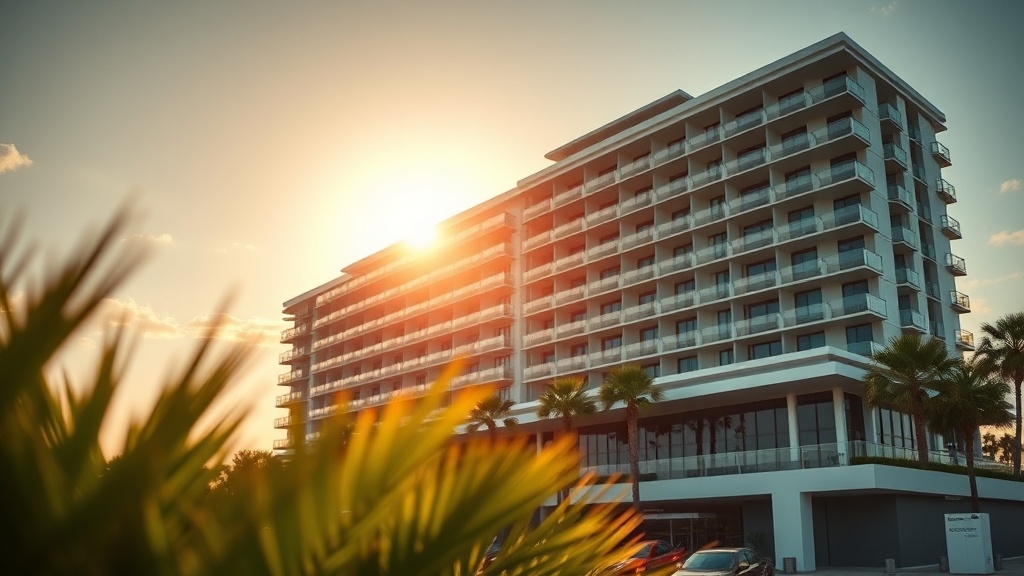
Several significant developments are addressing the senior housing crisis in Chicago.
Hispanic Housing Development Corporation’s 1539 N. Pulaski Project:
This initiative provides 61 affordable housing units for low-income seniors in Humboldt Park. Utilizing $13.24 million in tax increment financing approved by Chicago’s Department of Finance, the project aims to support affordable senior housing in the area. It transforms the historic Pioneer Arcade Building. The project blends adaptive reuse with new construction and costs $36.22 million.
Evergreen Real Estate Group’s Leyden Senior Apartments:
Located in Franklin Park, this project features 80 affordable senior housing units. It includes amenities like community and fitness rooms. Completion is scheduled for 2026 and targets seniors earning 60% or less of the area median income.
Casa Bienestar on Chicago’s Lower West Side:
This proposed seven-story development offers 106 affordable units for seniors aged 55 and older. The building will provide essential amenities for seniors, including community rooms and a fitness area.
Strategic Initiatives for Future Growth in Senior Living
Chicago’s efforts to tackle the senior housing crisis highlight the need for strategic initiatives that foster growth and innovation in senior living communities.
Strategic service diversification is crucial. Organizations are expanding both brick-and-mortar facilities and non-traditional services, like telemedicine and meal delivery, to cater to changing resident needs.
Technology integration is transforming operations. Predictive analytics enhance care planning, while smart home features revolutionize resident experiences.
AI and wearable devices are key in providing customized safety and wellness solutions.
Emphasizing regulatory requirements ensures safe and credible environments while protecting both investments and residents’ well-being.
Through market surveys and focus groups, senior communities ensure services align with strategic plans. This guarantees financial viability and emphasizes personalized care models.
These initiatives are essential for overcoming challenges and capitalizing on growth opportunities in this rapidly expanding market.
Assessment
The completion of the Chicago seniors project highlights the growing demand for senior housing. This underscores the urgent need to overcome development challenges.
As demographic shifts continue, the aging population swells. Notable projects and strategic initiatives play a crucial role in addressing this pressing need.
The future growth in senior living depends on innovative solutions. Collaboration among stakeholders is essential to meet demand and enhance seniors’ quality of life nationwide.