United States Real Estate Investor

United States Real Estate Investor

United States Real Estate Investor

United States Real Estate Investor

United States Real Estate Investor

United States Real Estate Investor

Chicago West Loop Office Tower Faces Foreclosure

Article Context

This article is published by United States Real Estate Investor®, an educational media platform that helps beginners learn how to achieve financial freedom through real estate investing while keeping advanced investors informed with high-value industry insight.

  • Topic: Beginner-focused real estate investing education
  • Audience: New and aspiring United States investors
  • Purpose: Explain market conditions, risks, and strategies in clear, practical terms
  • Geographic focus: United States housing and investment markets
  • Content type: Educational analysis and investor guidance
  • Update relevance: Reflects conditions and data current as of publication date

This article provides factual explanations, definitions, and strategy insights designed to help readers understand how investing works and how decisions impact long-term financial outcomes.

Last updated: September 18, 2025

PLATFORM DISCLAIMER: To support our mission to provide valuable resources and insights, United States Real Estate Investor may earn affiliate commissions from links or advertising featured in our content. Images are for informational and entertainment purposes only and may not be fully representative of people or places.

United States Real Estate Investor®
west loop office foreclosure
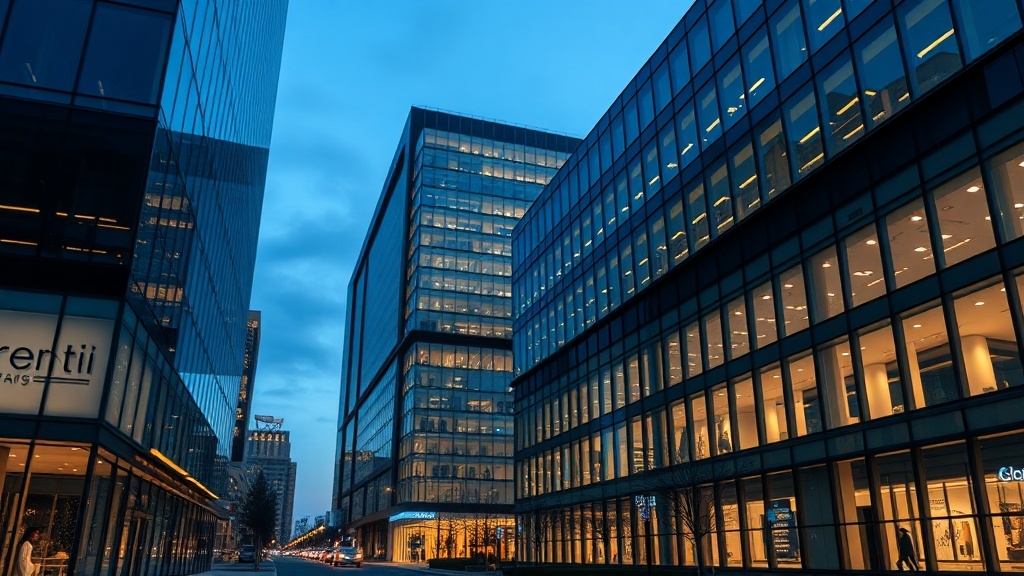
Looming foreclosure threatens a Chicago West Loop office tower, promising dramatic shifts—discover the full story behind this escalating financial predicament.
United States Real Estate Investor®

United States Real Estate Investor® News

Financial Strains and Market Dynamics

The escalation of financial pressures becomes apparent as rising interest rates intensify the debt burdens faced by Chicago’s West Loop office towers. Increased borrowing costs lead to higher debt repayment expenses for building owners, placing significant strain on financial resources. The market grapples with occupancy challenges due to hybrid work models reducing traditional office space demand. Vacancy rates have exceeded 20% citywide, further cutting rental incomes and increasing financial stress. Owners find it challenging to meet debt repayments as cash flow shortfalls persist. Investors in the area face risks similar to those impacted by Sannikov’s real estate fraud in Chicago. These shifts signal tangible changes in market dynamics. Institutional investors with securitized debt encounter broader financial exposure, which exacerbates foreclosure risks. Along with stringent lending conditions, lenders are unwilling to accept lenient workout proposals, leading to more legal foreclosure actions. These market disruptions underscore acute vulnerabilities within Chicago’s office real estate sector.

Notable Defaults and Surrenders in Chicago’s Loop

Amid a tumultuous scene of shifts and downturns, notable defaults and surrenders are reshaping Chicago’s Loop office market.

Key instances highlighting these trends include:

2 N. LaSalle St.: Surrendered after a loan maturation. This reflects financial fragility among aging properties with low demand.

Oak Brook 22 Complex: Another voluntary surrender. This signals challenges on both local and national levels.

19 S. LaSalle St.: Facing foreclosure due to vacancies. This showcases distress in historic buildings affected by remote work shifts. Rising office vacancy rates similar to those seen in Los Angeles are indicative of a broader trend across major cities, which underscores the vulnerability of the sector.

10 South LaSalle: Under foreclosure due to tenant loss and operational cost pressures. Meanwhile, the remote work trend has further exacerbated the impact on older office buildings, leading to increased vulnerability and a need for strategic transformations.

Despite setbacks, the city’s market resilience is tested. Old buildings struggle to adapt, highlighting the need for strategic transformations.

Future Prospects and Adaptive Strategies

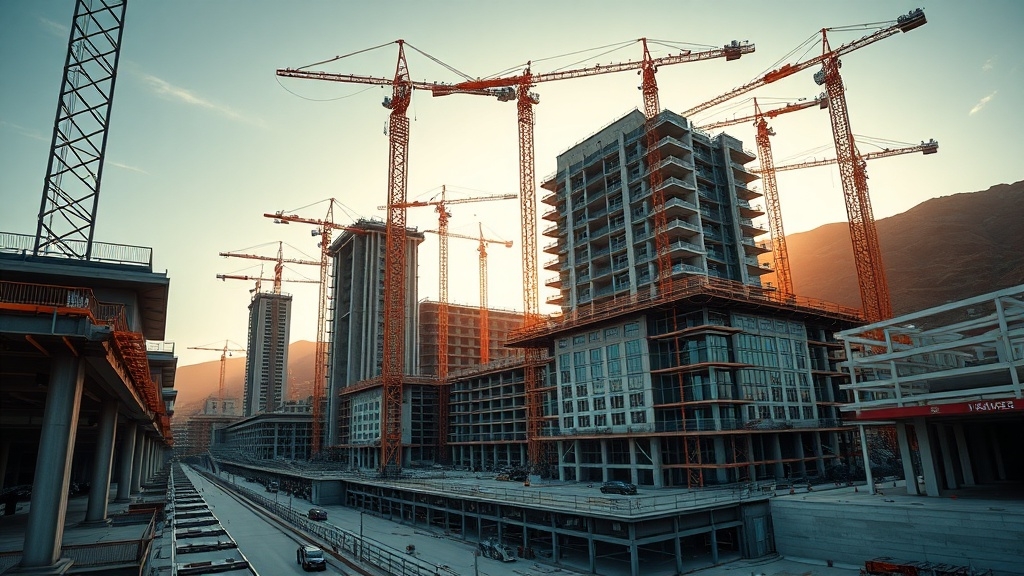
Following the significant defaults and surrenders shaping the Loop’s evolving office market, stakeholders are compelled to steer through an uncertain terrain. As remote and hybrid working trends continue to suppress office space demand, adaptive reuse becomes pivotal. Building owners explore converting offices into mixed-use spaces to rejuvenate viability. Tenant diversification strategies are critical. By enticing varied sectors, they aim to reduce dependency on traditional tenants and address diminished leasing activities. Despite efforts in diversifying and adapting, rising interest rates exacerbate financial hurdles. The foreclosure ripple extends to suburban markets, representing regional distress, not an isolated urban issue. To bypass prolonged litigations, lenders lean towards deeds in lieu of foreclosure. This facilitates prompt asset recovery while owners negotiate short sales amidst significant financial losses. Investors are urged to explore opportunities for first-time real estate investments in growing markets, as strategic entry before market saturation can position them for long-term gains.

Assessment

The foreclosure of the West Loop office tower underscores the volatile dynamics of Chicago’s real estate market. Lenders are tightening belts, and investors are reassessing portfolios amid economic uncertainty.

The implications of this foreclosure resonate beyond a single property default. Stakeholders must navigate financial pressures and consider adaptive strategies to mitigate risks.

While challenges persist, there is potential for innovation and strategic repurposing. This offers a glimmer of hope in an otherwise turbulent environment.

The future remains uncertain. Vigilant observation is warranted.

United States Real Estate Investor®

4 Responses

  1. Just thinking out loud, but wouldnt it be smarter to convert the West Loop tower into affordable housing? Thoughts?

    1. Affordable housing over skyline aesthetics? Bold concept, but unrealistic. Riches bring development, not charity.

  2. Honestly, maybe its time to convert these towers into affordable housing? Could solve two issues at once, just a thought.

  3. Kinda think the West Loop Tower was doomed from the start. Maybe its time we rethink urban development strategies? Just a wild thought.

Leave a Reply

Your email address will not be published. Required fields are marked *

Thank you for visiting United States Real Estate Investor.

United States Real Estate Investor®

Information Disclaimer

The information, opinions, and insights presented on United States Real Estate Investor are intended to educate and inform our readers about the dynamic world of real estate investing in the United States.

While we strive to provide accurate, up-to-date, and reliable information, we encourage readers to consult with professional real estate advisors, financial experts, or legal counsel before making any investment decisions.

Our team of expert writers, researchers, and contributors work diligently to gather information from credible sources. However, the real estate market is subject to fluctuations, changes, and unforeseen events.

United States Real Estate Investor cannot guarantee the completeness or accuracy of the information presented, nor can we be held responsible for any actions taken based on the content found on our website.

We may include links to third-party websites, products, or services.

These links are provided for convenience and do not constitute an endorsement or approval by United States Real Estate Investor.

We are not responsible for the content, privacy policies, or practices of any third-party sites.

Opinions expressed by contributors are their own and do not necessarily reflect the views or policies of United States Real Estate Investor.

We welcome diverse perspectives and encourage healthy debate and discussion.

By accessing and using the content on United States Real Estate Investor, you agree to this disclaimer and acknowledge that the information provided is for informational and educational purposes only.

If you have any questions, concerns, or feedback, please feel free to visit our contact page.

United States Real Estate Investor.

United States Real Estate Investor®
Picture of United States Real Estate Investor®
United States Real Estate Investor®

Helping you learn how to achieve financial freedom through real estate investing.

Don't miss out on the value

Join our thousands of subscribers

Subscribe to our newsletter to learn how to attract clients, close deals faster, and a lot more!

United States Real Estate Investor logo
United States Real Estate Investor®

This is the easiest way to know the industry.
The Ultimate Real Estate Investing Glossary

United States Real Estate Investor®

More content

United States Real Estate Investor®

notice!

Web & Social yearly Package

Please, have ad set files ready before purchase.

Please, be aware that after your purchase on the Stripe payment portal, keep your browser open; You will be automatically redirected to the ad set submission page.

notice!

Web & Social Monthly Package

Please, have ad set files ready before purchase.

Please, be aware that after your purchase on the Stripe payment portal, keep your browser open; You will be automatically redirected to the ad set submission page.