

Property Features and Value Proposition
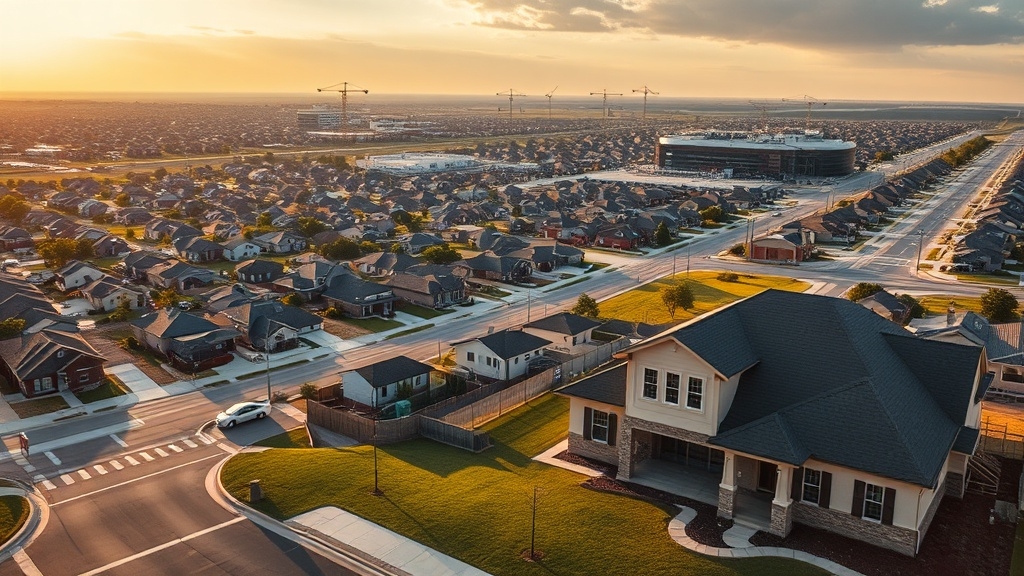
In Dallas real estate as of 2025, homes exhibit a variety of property types. These range from newly constructed residences to older, well-maintained options. Newly built homes highlight modern designs with energy-efficient features. They often include open floor plans and high-quality finishes. Such features are crucial in determining a property’s value. They appeal to families and remote workers seeking practical and attractive living spaces. Amidst this, the shift in market dynamics has allowed buyers to gain improved negotiating power, changing the way transactions unfold. The average home size, around 2,800 sq ft, meets mid-range market expectations despite ongoing market adjustments. Garages, spacious yards, and community amenities bolster these homes’ competitive edge. They present a solid value proposition even amidst fluctuating prices in the Dallas-Fort Worth area.
Economic Dynamics and Flipping Profitability
Amid the fluctuating real estate terrain of 2025, the Dallas-Fort Worth (DFW) market is now facing formidable economic dynamics. McKinney’s prominence as the No. 1 in WalletHub’s list for best real estate markets significantly influences regional trends. These changes are impacting profitability, particularly in property flipping. Elevated housing inventory levels have ushered in a buyer’s market. This poses significant challenges for investors. Flipping strategies face pressures from increased inventory, reducing speed and pricing power. Analysts suggest that the implementation of operational efficiency through the use of technology could help investors adapt to these dynamics.
This phenomenon is exacerbated by the softening of home prices, particularly in non-luxury segments. Flipping profit margins are further squeezed by slower price appreciation. Rising holding costs, driven by elevated mortgage rates, add to the pressure.
Increased months of inventory correlate with longer on-market durations, testing investors’ adaptability.
As a result, the complexity of effectively timing market entry and exit intensifies. Flippers now demand more nuanced strategies.
Legal and Market Considerations for Investors
Navigating the complex legal and market landscape in the Dallas real estate scene, investors are now facing a complex web of regulatory and market changes that have significant implications. Key updates in Texas Senate Bills 15, 17, and SB 840 affect compliance risks. Zoning flexibility eases redevelopment paths but demands adherence to new rules. For those interested in property flips, zoning flexibility allows conversion of older commercial properties. This expands potential but requires careful legal due diligence to handle variances and overlays. Simultaneously, restrictions on property ownership by certain foreign entities introduce new compliance challenges. These affect liquidity and market dynamics within Dallas. Charlotte’s Affordable Housing Initiative in the Southeast highlights the gainful potential of public-private partnerships that could inspire similar ventures in other regions. Keeping an eye on evolving legal interpretations is crucial. This helps protect investments from penalties amidst stricter short-term rental regulations. Additionally, construction costs are influenced by broader federal policies. Monitoring these factors is essential for informed decision-making.
Assessment
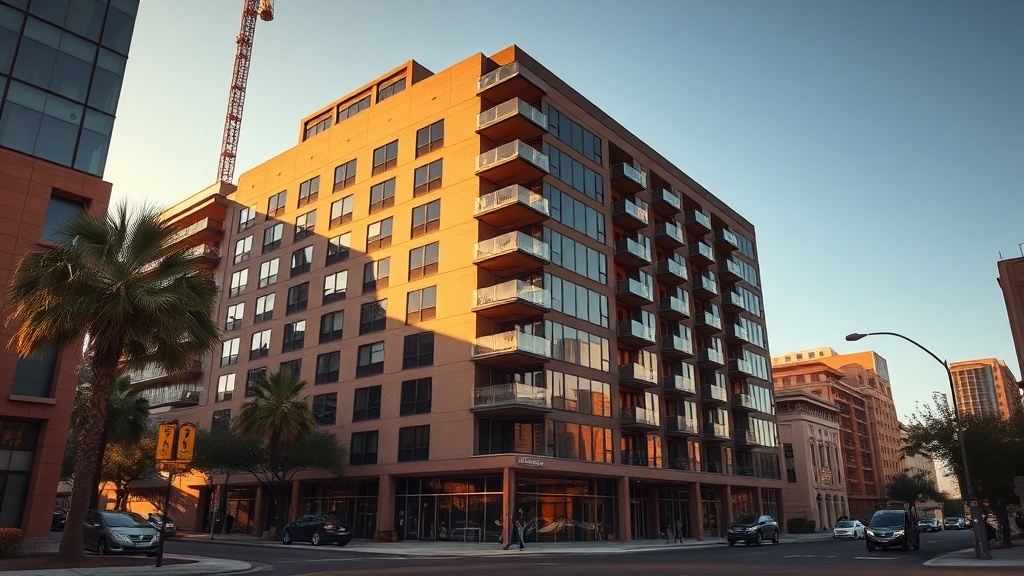
The escalating intrigue in Dallas’s luxury property market is undeniable. The highlighted $400k flip showcases the city’s financial allure.
Investors must carefully evaluate the economic conditions. Legal parameters also play a significant role in flipping ventures.
Balancing profit potential with inherent risks is crucial. As market volatility grows, strategic navigation is essential.
Success in Dallas’s high-stakes real estate arena hinges on this. The environment is rapidly evolving.
Informed, decisive action from seasoned investors is required. This allows them to capitalize on prevailing opportunities.




















4 Responses
So, this Dallas Star is flipping at $400k, but are we factoring in repair costs, market fluctuations, and legal fees? Just food for thought guys.
$400k is a steal considering the potential returns. Risks are part of the game, arent they?
Hmm, Dallas Star Flip at 400K, really? Arent we just hyping up unsustainable profits here? What happened to value and long-term investment potential?
Anyone else think Dallas stars $400K flip is just hype? Real estate aint a get-rich-quick scheme, its about market savviness and patience!