Burnham Yard: A Historic Site Transformed
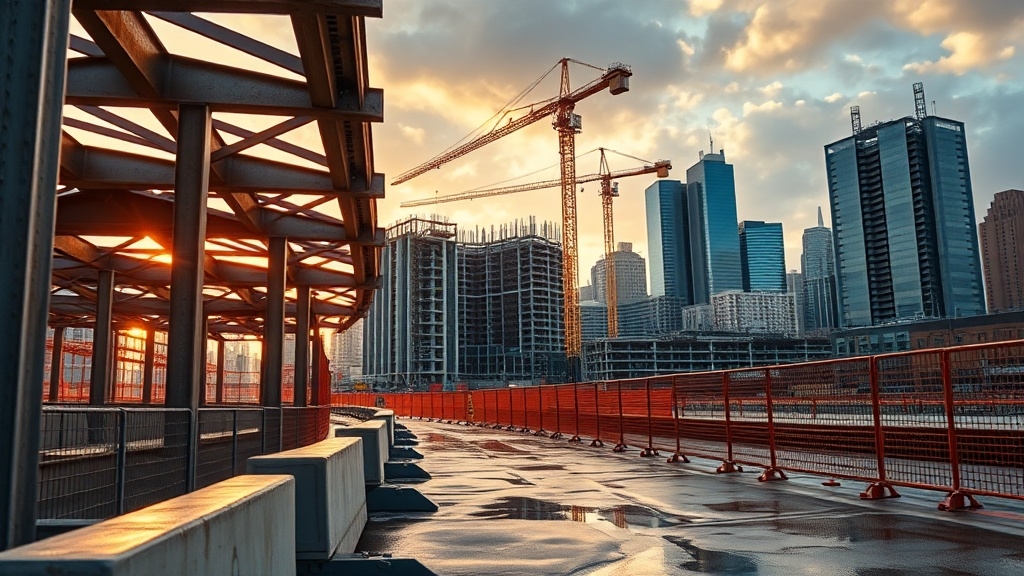
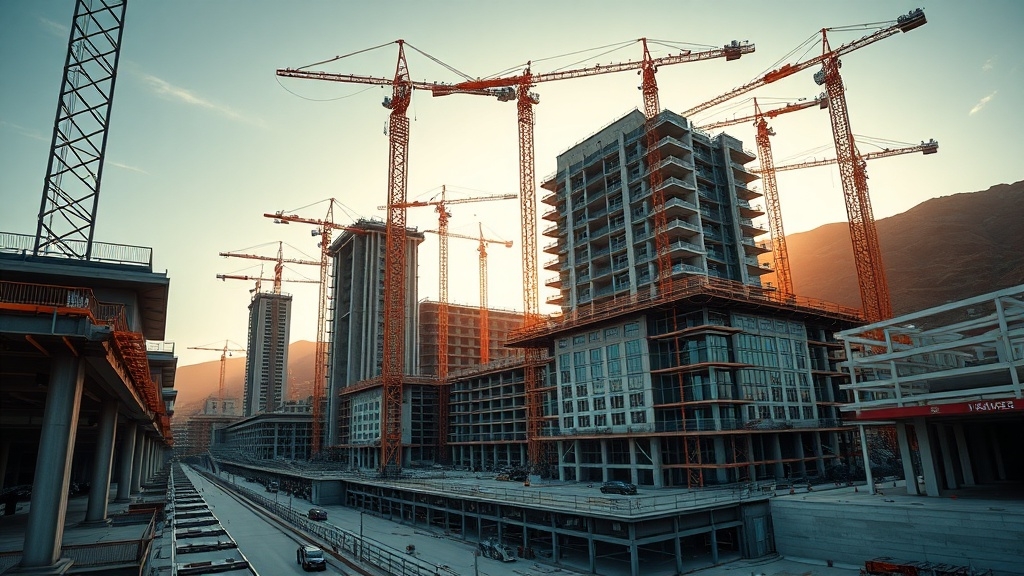
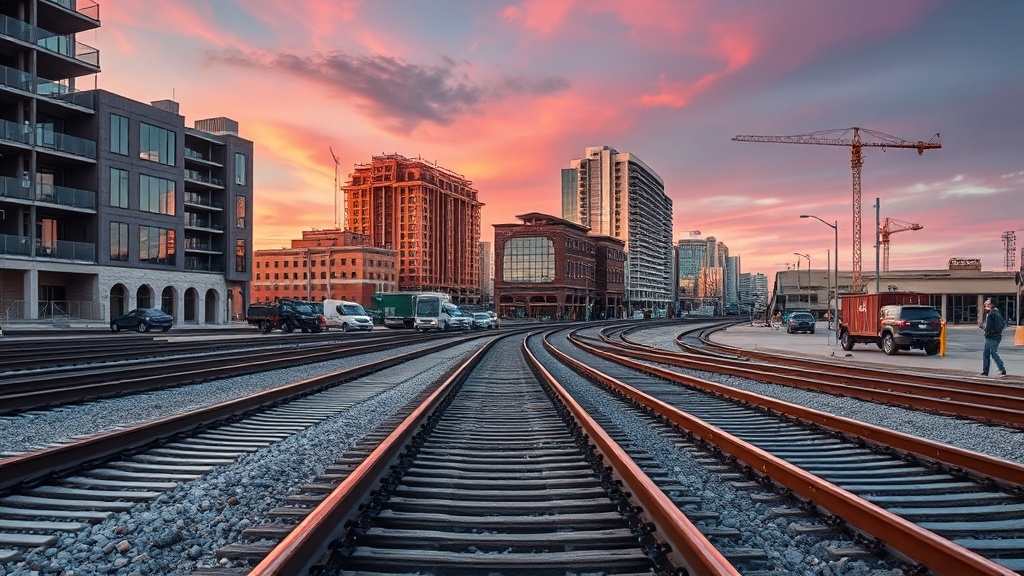
In a transformative move, one of Denver’s most historic rail sites, Burnham Yard, is undergoing a notable evolution. Established in 1871, Burnham Yard played a pivotal role in Denver’s industrial journey. As part of a 320-acre tract from Governor A. C. Hunt, its origins reflect a deep-rooted Burnham history intertwined with the city’s growth. Over the years, the site serviced iconic rail lines like the California Zephyr, marking its place in industrial evolution. Characterized by durable structures, it was a beacon of economic activity. Notably, it contributed to Denver’s development. Residential neighborhoods nearby, developed for railroad workers, still bear witness to the unique blend of industry and community. This ongoing transformation hints at new opportunities while honoring its storied past. Denver’s real estate sector is facing a significant industry exodus, which influences future development plans. Recently, the Colorado Department of Transportation purchased the land in 2021 for I-25 expansion, further emphasizing its potential for future development.
Broncos Stadium: A New Chapter for Denver
Transformation looms over Denver. Burnham Yard becomes the focal point for the Denver Broncos’ ambitious stadium project.
The chosen site promises a modern era. It features a stadium design with a retractable roof. This ensures versatility against Denver’s unpredictable weather, elevating its status as a year-round venue. Selected for its strategic location, Burnham Yard marks a significant shift. The Broncos’ current home, Empower Field, is set to see its lease expire after the 2030 season. A global design practice called Sasaki is collaborating on the site’s master plan, ensuring a world-class design and community integration.
Privately funded by the Walton-Penner family’s ownership group, the project underscores a commitment to innovation. It also ensures economic growth without public expense.
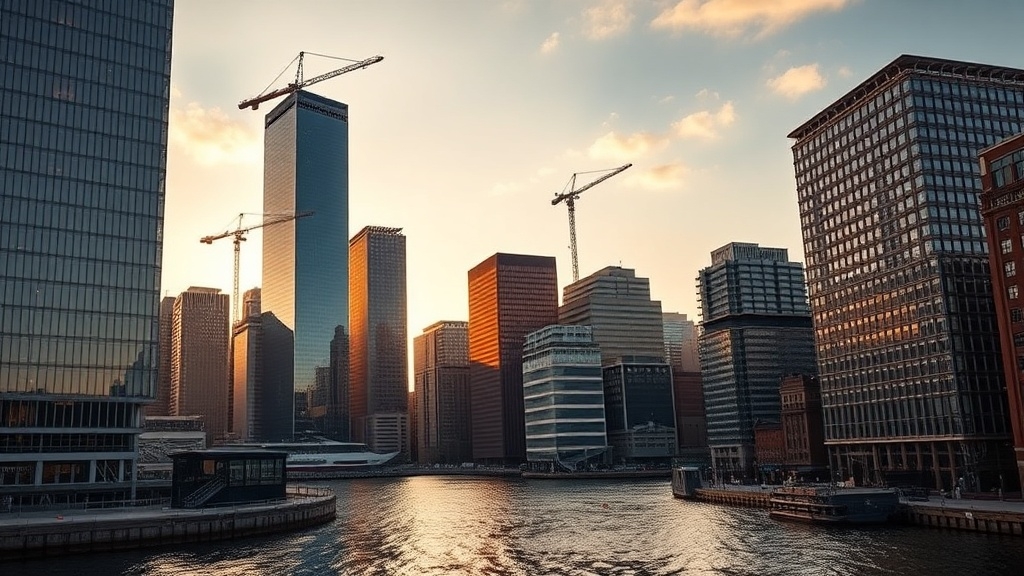
Considered a transformative asset, this large-scale development redefines Denver’s skyline.
It also harnesses potential as an economic catalyst.
Mixed-Use Development and Community Vision
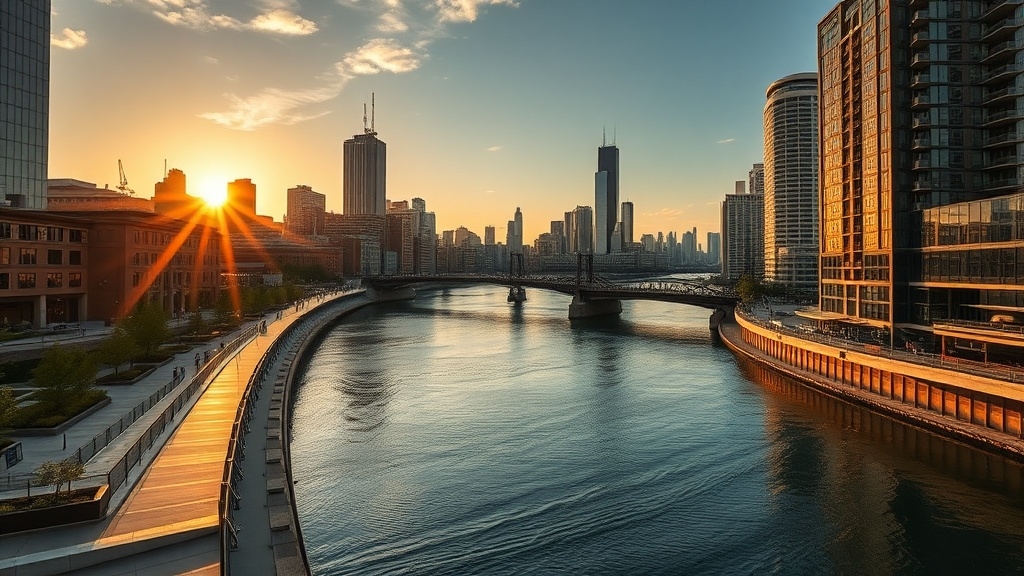
The transformation of Burnham Yard into a dynamic mixed-use district is a cornerstone of Denver’s urban revitalization efforts. This project envisions a vibrant neighborhood blending sports, commerce, and culture. Plans include multi-million square feet for restaurants, retail, housing, and entertainment. This promotes a year-round dynamic urban area. Green spaces and community amenities are integrated to enhance quality of life. They also foster social interaction. Emphasizing transit-oriented development, it promises efficient local and regional connectivity. Community collaboration is vital, with public engagement efforts shaping development. This includes open houses and input sessions. They aim to align with community priorities and historical considerations. In line with growing trends, rising rents in cities could drive demand for mixed-use developments like Burnham Yard.
Funding, Infrastructure, and Community Engagement
Funding for the Denver Rail Yard redevelopment involves a mix of private investments and public commitments. These elements are crucial for transforming the site into a modern urban hub.
The Denver Broncos plan to privately fund their new stadium and adjacent development. This is backed primarily by the Walton-Penner Family Ownership Group.
Denver voters have approved the Vibrant Denver bond measure, allocating nearly $140 million for infrastructure sustainability. This, in turn, indirectly elevates the redevelopment initiative.
While funds are earmarked for critical infrastructure projects, some proposed road extensions require further financial transparency. More planning is needed to address these areas.
Community engagement remains a top priority, led by the Broncos for an inclusive and transparent process. Public input is essential in planning, emphasizing the area’s diverse history.
The future infrastructure will align with city goals, ensuring the development respects Denver’s heritage and community needs. The commitment to community involvement fosters long-term success.
Assessment
The transformation of Burnham Yard symbolizes a pivotal shift in Denver’s urban environment. It marries historical preservation with modern development.
As plans for the new Broncos Stadium unfold, the potential for economic revitalization grows. This promises enhanced connectivity and cultural vitality.
However, the balancing act of funding, infrastructure, and community engagement presents ongoing challenges. Meticulous coordination among stakeholders is required.
This dynamic evolution of Denver’s infrastructure underscores the city’s relentless pursuit of progress. Yet, it maintains a commitment to its community roots.