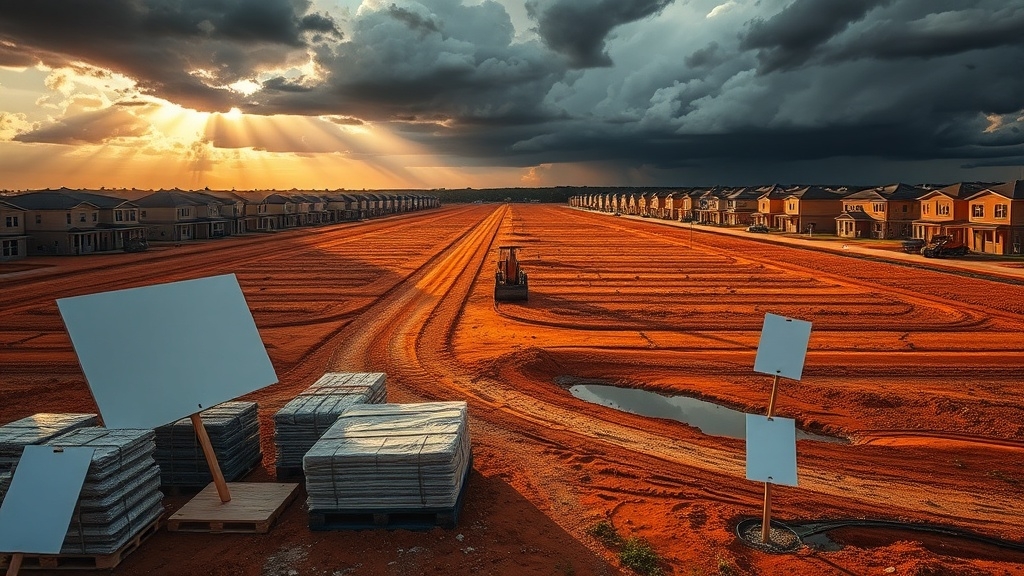

Jacksonville: A Technological and Logistical Hub
In Jacksonville, industrial growth is advancing rapidly. Strategic port development is central to this boom, elevating Jacksonville’s logistical prominence. A $419 million harbor deepening project has transformed JAXPORT. It now accommodates larger Panamax vessels, boosting trade and economic activity. This transformation positions Jacksonville as a sought-after location for businesses looking to expand, underscored by approximately 10M SF of industrial space currently under construction, indicating a high level of developmental activity. Cecil Field’s industrial expansion highlights Jacksonville’s rising significance. HOLON EV and Otto Aviation are leading major manufacturing initiatives. The city’s growth is supported by robust infrastructure. Interconnected interstates and rail networks strengthen its logistical framework. Positioned as a technological and logistical nexus, Jacksonville attracts diverse firms. Both national and international companies are drawn to its strategic advantages. Amid President Trump’s 2025 return, regulatory and land use reforms lead to expanded options in Jacksonville for housing and economic opportunities. Though vacancy rates have slightly risen, Jacksonville remains a thriving hub. It continues to exceed national rent growth averages, cementing its industrial reputation.
Cape Coral: Growth Amidst Market Corrections
Cape Coral is showcasing its resilience amidst a significant market correction. The real estate dynamics are evolving, yet the city adapts effectively. With a stabilizing median home price of approximately $387,600, market stabilization is apparent. This encourages buyer confidence as projected growth suggests increasing valuations. Demographic trends are playing a pivotal role. The substantial retiree influx bolsters a strong housing demand. Generational shifts continue to drive inventory turnover. This is critical for maintaining vibrancy in the housing market. Home prices are expected to decline by over 11% through May 2025. However, the city’s annual population growth of 2-3% is spurring investment interest. With both institutional buyers and private equity groups actively vying for opportunities, Cape Coral’s multifamily housing sector is gaining attention. There’s an increase in housing inventory. Currently, there are 3,046 homes for sale with a supply lasting 7.3 months. Commercial developments contribute significantly to Cape Coral’s urban appeal. This unfolding area remains a strategic choice for investors. Cape Coral balances affordability with a unique lifestyle appeal. This holds true even amidst higher mortgage rates. High inventory levels, reaching 15,425 active listings in January 2025, have enhanced affordability and attracted more buyers to the region.
Tampa: Infrastructure and Economic Expansion
Tampa is on the brink of a transformative infrastructure and economic expansion.
With $6.8 billion allocated to the Tampa Bay Next megaproject, transportation upgrades like the I-275 Express Lanes and the new Howard Frankland Bridge are set to revolutionize commuting efficiency. These developments mark a significant push towards modernizing urban transit systems.
Concurrently, urban redevelopment plays a key role, with projects like Gas Worx and waterfront transformations in Tampa Heights. These mixed-use projects promise residential growth as well as increased office and retail spaces, nurturing economic vitality.
Tampa’s commitment to a seamless transit network is underscored by streetcar line extensions and smart traffic management technologies. This highlights the city’s emergence as an economic powerhouse. Despite a slight rise in vacancies, new inventory is being absorbed quickly, showcasing the sustained demand and growth potential in the multifamily market.
Fort Lauderdale: A Tourism and High-Rent Stronghold
While Tampa experiences transformative infrastructure developments, Fort Lauderdale is asserting its dominance as a tourism and high-rent stronghold. The city continues to flourish with 22.4 million visitors expected in 2024 and a notable surge in domestic tourism.
The region’s economy benefits greatly from its hospitality sector. Fort Lauderdale boasts a 72% hotel occupancy rate in 2024, placing it among the nation’s top 10 cities for hotel performance.
Downtown visitation is thriving with a 32% increase in domestic visitors over two years. Fort Lauderdale also has a dynamic short-term rental market, with average revenues reaching $49,551.
Major developments like the Omni Fort Lauderdale hotel underscore the city’s growth. Pittsburgh’s booming economy driven by industries such as technology and healthcare mirrors Fort Lauderdale’s diversified growth. The thriving hospitality market and substantial projects solidify Fort Lauderdale’s tourism and high-rent status.
Austin: The Tech Capital of Texas
Austin proudly stands as the undisputed tech epicenter of Texas. By the end of 2023, it boasted a workforce of nearly 203,000 tech employees—hitting a historical peak.
From 2018 to 2023, the region experienced a 31% expansion in tech employment trends. This growth has solidified its reputation as a key hub.
Despite a slight decline of -0.63% in 2024, Austin’s tech employment remains relatively stable.
The venture capital growth paints a promising picture for future investments. In 2024 alone, there was a 244% surge, amounting to $2.4 billion.
Large tech companies such as Apple, Google, and Tesla have established significant campuses here. This further anchors Austin’s status in the tech scene.
Affordability challenges persist in the city. Yet, the dynamic ecosystem and robust venture capital presence forecast ongoing resilience.
Investors in Austin also benefit from its no state income tax policy, which enhances its appeal as a real estate investment destination.
Assessment
Florida and Texas are emerging as key investment hotspots in the evolving real estate sector by 2025. Jacksonville is securing its status as a technological and logistical center.
Cape Coral is leveraging growth opportunities during market corrections. Tampa is seeing substantial infrastructure development.
Fort Lauderdale is solidifying its position as a tourism staple. In Texas, Austin remains the tech capital, leading the charge.
These cities highlight the vibrant opportunities present within these rapidly growing states.