
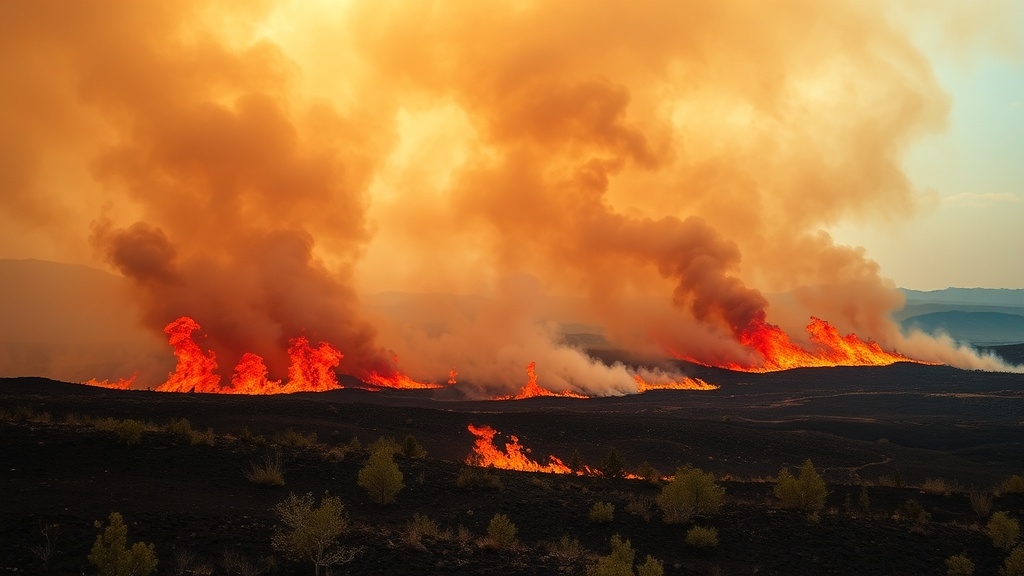
Evacuation Measures and Community Impact
The wildfire’s relentless expansion necessitates swift and decisive evacuation measures.
This dramatically alters the daily rhythms of communities in Santa Barbara and San Luis Obispo Counties.
Mandatory evacuation orders, coupled with safety protocols, disrupt the lives of residents.
Zones such as SBC-169A and LPF-015 are particularly affected.
The Gifford Fire has scorched 39,676 acres, highlighting the extensive challenge faced by emergency services and residents.
Evacuation centers at Cuyama Valley Family Resource Center offer refuge.
The community demonstrates resilience despite these challenges. Agencies coordinate support amid the logistical challenges posed by Highway 166 closures. Officials prioritize safety and urge adherence to orders.
Warnings continue to prevail for areas like SBC-169B. Economic impacts are evident with lost livestock and threatened residences. At least 360 homes are in jeopardy, underscoring the severity and urgency of the situation. Continual communication and reinforced evacuation infrastructure are critical.
Infrastructure and Natural Challenges
In an alarming display of nature’s unpredictability, the Gifford Fire has magnified the vulnerabilities within Southern California’s infrastructure.
The region’s Mediterranean climate and fire-adapted vegetation, including chaparral and oaks, exacerbate wildfire risks. Santa Ana winds further intensify these blazes. The fire has disrupted power lines, critical utility infrastructure, and road access.
This complicates evacuation and logistical efforts.
Geographic features like canyons pose additional challenges in emergency response coordination. Addressing these issues requires infrastructure improvements and effective vegetation management.
Major insurers retreat from California’s fire zones, making rebuilding and recovery even more challenging for affected residents. Strategies include prescribed fires and land restoration. Collaboration among state, federal, and tribal entities is critical.
This coordination helps bolster resilience against future fires. As climate change amplifies these natural threats, it’s imperative to adopt extensive strategies to manage fuel loads.
Assessment
The Gifford fire’s relentless advance has left profound scars on both the terrain and local economy. Evacuation measures disrupt lives and market stability.
This underscores the urgent need for strategic resilience planning. The wildfire’s immense spread challenges firefighting efforts and exacerbates infrastructural vulnerabilities.
These challenges create ripples that extend to real estate investments and valuations. Stakeholders must navigate the perilous interplay between natural disasters and economic impacts.
Careful foresight is essential to mitigate ongoing and future threats.























5 Responses
Isnt it strange that we can send a man to the moon but cant control wildfires on our own planet? Just a thought!
I feel for the victims, but isnt it time we discuss the elephant in the room – managing forest undergrowth better to prevent such fires?
Isnt it curious how we invest more in rebuilding than preventing these fires? Infrastructure my foot, were just feeding the flames here!
While its tragic, isnt it interesting how a wildfire can force a pause on capitalism? Natures way of pushing the reset button, maybe?
Isnt it odd how were quick to evacuate for fires, but ignore the slow burn of climate change? Just food for thought.