
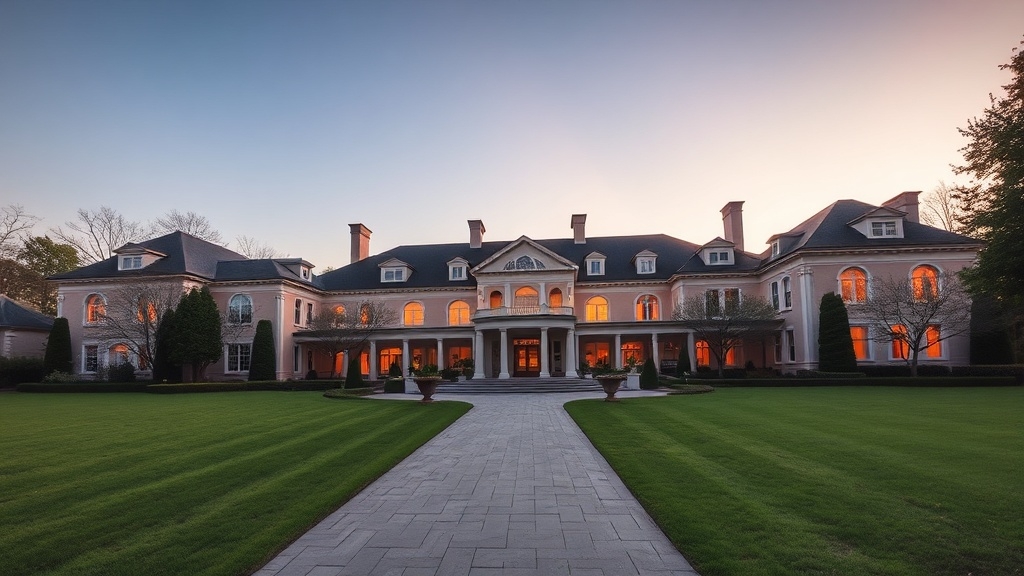
Record High Inventory Scarcity
In an unparalleled shift, inventory levels in the luxury real estate market show a clear gap between supply abundance and high-value niche scarcity. This emphasizes dramatic regional differences.
Inventory strategies face challenges, with new listings surging 33% in January 2025. However, momentum slowed to 17.9% by February. Economic uncertainties fueled by new tariffs have led to buyer hesitance, complicating inventory dynamics.
Despite a general inventory rise, areas like San Mateo and Santa Clara are struggling. Inventory in these places is under two months. A housing inventory crash in major markets further highlights the issues of availability and affordability, affecting even high-end sectors.
Pricing tactics are crucial in markets where luxury properties remain unsold.
Even regions with improved inventory, like Southern California, have their limits. Prime areas there have only 2.5–3 months of availability.
This highlights the tension between growing inventory numbers and persistent competition. Owner advantages continue as buyers face affordability challenges in these restricted settings.
Demand Dynamics in Ultra-Luxury Properties
Demand dynamics in the ultra-luxury property market reveal a complex terrain. This complexity is shaped by evolving buyer profiles and macroeconomic pressures. High net worth behavior distinguishes between “no-compromise buyers” and those seeking value deals. “No-compromise buyers” focus on prime locations and superior quality. All-cash transactions have risen due to elevated borrowing costs. This prompts buyers to seek secure and expedited deals. First-time luxury buyers diversify market demand. They are motivated more by lifestyle and investment potential than status. Affluent buyers, reacting to macroeconomic volatility, view ultra-luxury real estate as a safe haven. They reallocate asset portfolios for stability. Expectations for personalization, advanced technology, and sustainable features are significantly heightened. In 2025, experts anticipate stable prices due to current inventory levels, indicating a more balanced market environment for both buyers and sellers.
Price Reduction Trends and Market Adjustments
Market pressures impacting the ultra-luxury segment are evident in recent price reduction trends and adjustments. Notably, substantial multi-million-dollar price cuts in Greenwich’s ultra-high-end homes showcase evolving strategies to tackle unsold inventory.
Despite these significant cost reductions, ultra-luxury estates remain unrented. This is largely due to changing buyer behavior patterns, which increasingly prioritize specific criteria.
Price adjustments in this segment often address demand-supply mismatches. Here, the number of available mansions exceeds immediate buyer interest.
Even with inventory declines and rising median prices, strategic pricing for luxury listings is essential.
Such reductions aim to reposition properties as attractive investments compared to volatile alternatives. They are designed to capture the attention of discerning buyers.
Sellers strategically lower prices to align listings with current buyer expectations. This tactic counters fluctuating external factors and encourages hesitant purchase decisions.
Neighborhood Variability and Market Conditions
The Greenwich real estate market exhibits significant neighborhood variability. By mid-2025, the median sales price for single-family homes reached $3.25 million, illustrating fluctuating demand across different price tiers. Luxury sales over $10 million surged by 67% year-over-year. This highlights a disparate demand within higher-end locales. Neighborhood shifts reveal intricate patterns. Waterfront and high-amenity areas near Long Island Sound show rapid transactions. In contrast, ultra-luxury markets are constrained by limited inventory, creating competitive conditions. Buyer preferences indicate an opportunity in neighborhoods with new developments or transit accessibility. This contrasts with more static established zones. Nonetheless, historically low overall inventory limits options, especially in single-family homes. This scarcity underscores evolving demands, with economic factors and neighborhood specifics shaping Greenwich’s market terrain. Real estate investors might benefit from strategic, slow, and deliberate investment approaches that utilize existing resources rather than waiting for ideal deals.
Assessment
Despite significant price reductions, ultra-luxury mansions in Greenwich remain unsold. This is due to unprecedented inventory levels and shifting demand dynamics.
As sellers maneuver through these challenging conditions, neighborhood-specific factors come into play. These factors influence market performance and adjustments.
The continued expansion of unsold properties underscores a broader trend. This trend involves volatility and recalibration in the high-end real estate sector.
There is pressure on stakeholders to reevaluate strategies. This is amid an uncertain economic climate.
This evolving environment signifies a pivotal moment for market participants.



















4 Responses
Isnt it ironic that in a time of record high inventory scarcity, Greenwich mansions cant be given away? Somethings fishy here, folks!
Honestly, isnt it about time these ultra-luxury mansions faced reality? Maybe then theyd stop acting like theyre immune to market conditions! Just my two cents.
Am I the only one who thinks these unsold mansions are just money laundering fronts? Might explain the high inventory and low demand, just saying…
Maybe these mansions are unsold cause the ultra-rich have finally realized they dont need 10 bathrooms? Just a wild thought! 😂