
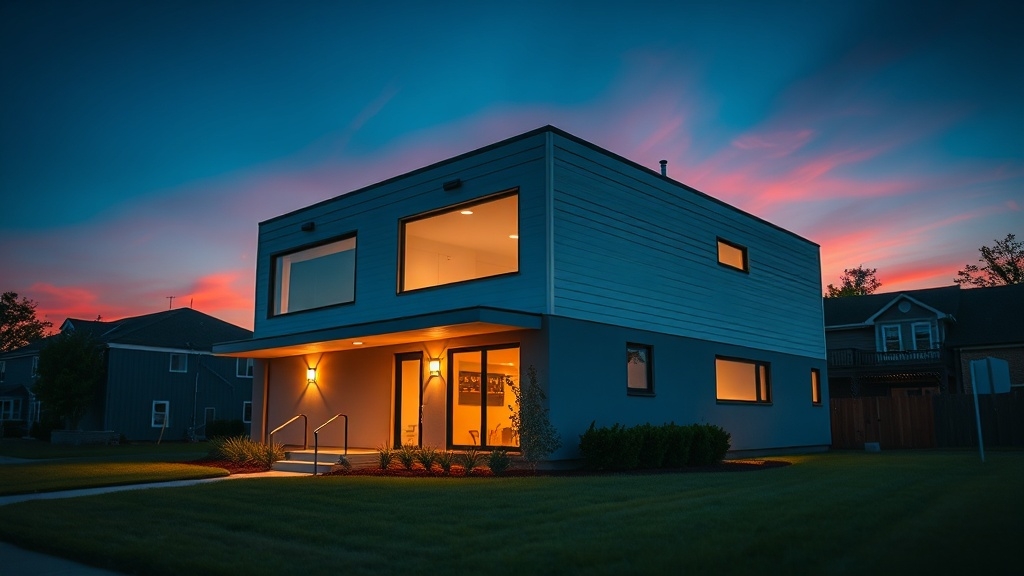
Transforming Vacant Spaces Into Homeownership Opportunities
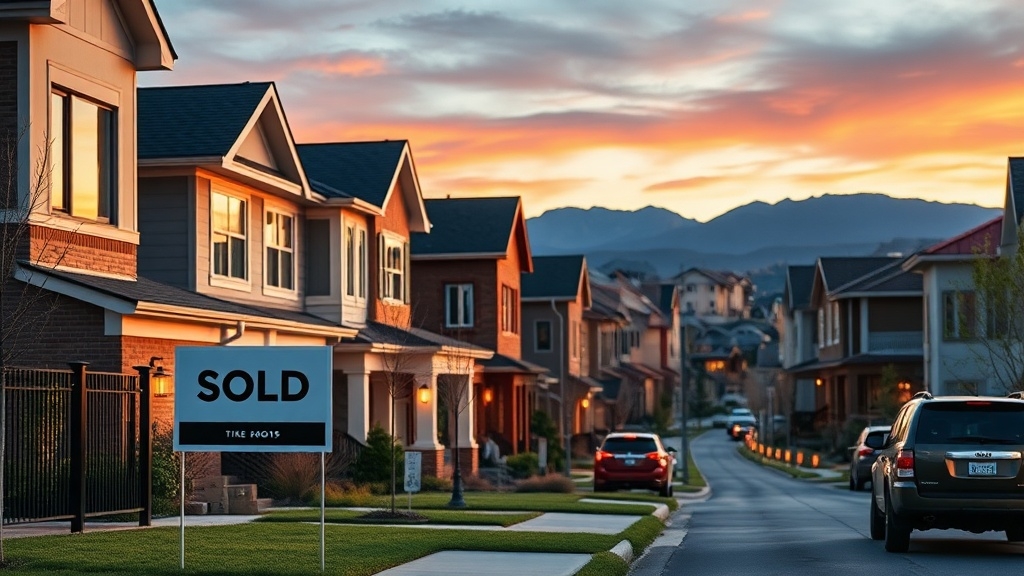
In the ever-shifting terrain of U.S. housing, transforming vacant spaces into homeownership opportunities is both a challenge and a necessity. Vacancy reduction strategies have become essential. Approximately 1.4 million residential properties lie vacant, representing 1.3% of all U.S. homes as of Q2 2025. With the highest investor-owned vacancy rates such as 7.3% in Indiana, addressing investment challenges is crucial. Initiatives such as St. Louis’s “Finest 15” and “Mow to Own” programs highlight efforts to convert abandoned properties into viable housing.
These initiatives focus on cost-effective sales and rehabilitation. Partnerships with local organizations play a significant role in identifying and promoting viable homes. Accelerated reinvestment schemes are key in addressing these housing gaps. Programs like Baltimore’s Vacants Reinvestment Initiative emphasize effective redevelopment.
Collective efforts aim to balance the housing market. These initiatives also encourage community growth.
Mixed-Income Living in Revitalized State Buildings
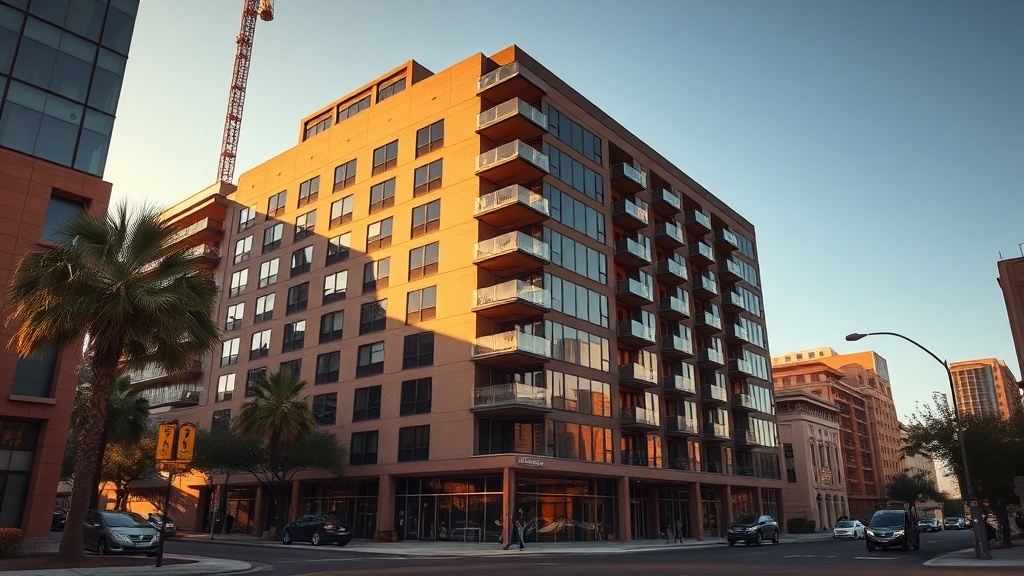
Urban revitalization takes center stage in Hartford. Two former state office buildings have transformed into the Trinity Street Apartments.
This project unveils a dynamic model of mixed-income living. The development consists of 104 units strategically split across diverse income brackets.
The housing breakdown includes 83 market-rate units. These cater to a broad demographic, enabling cash flow improvements for investors in the process.
Additionally, 21 units remain affordable. These are designed for households earning 50% to 60% of the Area Median Income (AMI).
Affordable housing targets incomes between $40,000 and $60,000. The aim is to broaden access for more residents.
Previously, these buildings housed 11 state agencies before their recent transformation. Community engagement is a key focus. Ground-floor retail and coworking spaces encourage social interaction.
State support plays a crucial role. Financing from the Connecticut Department of Housing underpins the initiative.
This strategic endeavor addresses Hartford’s housing scarcity. It promotes community engagement and economic diversity.
Historic Building Renovations for Modern Urban Living
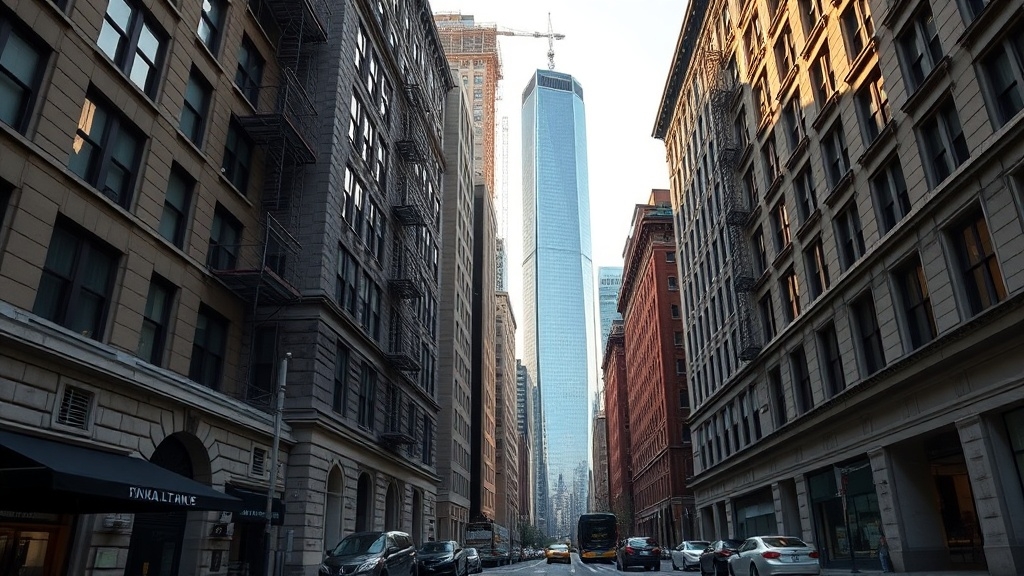
Historic buildings face an urgent transformational crossroads. Preservation and adaptive reuse of these structures offer vital benefits for urban sustainability and historic preservation.
Transforming obsolete buildings like warehouses and schools into housing increases affordable supply while conserving materials. In Los Angeles, the Adaptive Reuse Ordinance exemplifies success, creating over 46,000 units. This illustrates the strategic value amid housing crises.
Modern renovations also markedly enhance energy efficiency. Some projects achieve up to 70% energy reductions. Incorporating high-performance materials encourages climate resilience, aligning preservation with contemporary sustainability goals.
Moreover, maintaining defining architectural features during adaptation helps retain cultural identity. This process facilitates new use within historic districts while preserving architectural cohesion. It addresses changing demographic needs. Building resilience and consistency, as seen in real estate success, are key strategies when approaching historic building renovations.
Large-Scale Developments With Community Amenities
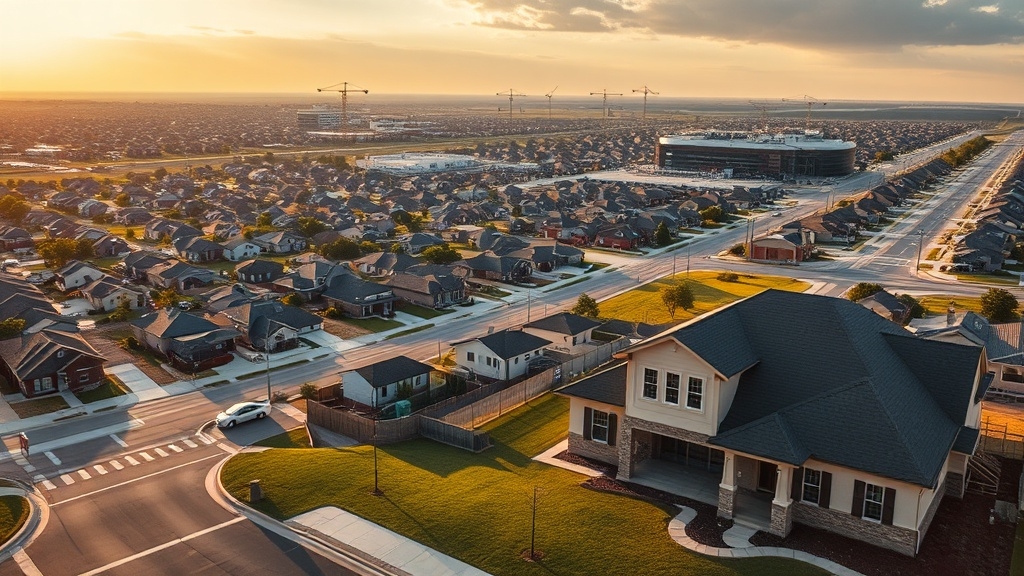
Hartford’s rejuvenation strategy has taken a historical turn with large-scale developments and community amenities reshaping the urban landscape. These projects focus on community engagement and sustainable design, transforming the city into a lively, amenity-rich area.
Developments are showcasing mixed-use spaces. These spaces combine residential units with commercial, retail, and community areas, promoting walkability and the growth of local businesses.
Spectra Projects include plans for apartment conversions that feature integrated restaurant spaces. This effort aims to enhance local vibrancy.
The Bushnell South Redevelopment is a significant project. It envisions arts, entertainment, public parks, a 432-space parking garage, and state office renovations.
Cultural connectivity is another focus. By linking cultural centers and healthcare complexes, developers are creating a cohesive urban experience.
These projects utilize city resources to achieve the City Plan 2020 housing goals. Rising labor costs and project delays, influenced by policy shifts, may affect future developments.
They also aim to invigorate the surrounding community environment in Hartford.
Assessment
The ambitious revival of Hartford’s vacant houses into modern, mixed-income housing showcases the potential of historic building renovations. By transforming these neglected spaces, the project not only provides homeownership opportunities but also encourages community growth and revitalization.
The development’s integration of community amenities further enhances urban living. It attracts diverse residents to the area.
This transformation signifies a pivotal moment in urban renewal. It offers a model for addressing housing shortages while respecting historical architecture and community needs.













3 Responses
Yeah, but arent we just gentrifying neighborhoods? Isnt this just pushing out low-income folks? I smell a rat with these revival projects.
While I applaud Hartfords revival, isnt it gentrifying the area? What about the impact on long-term residents who cant afford these modern housing prices?
While Hartfords revival sounds promising, arent we risking losing our historical charm for modernization? Is gentrification the only way to progress?