

750 Million Green Finance Package Fuels Urban Transformation
Minneapolis real estate markets are on the brink of a pivotal transformation. A multimillion-dollar green finance package is set to reshape the city’s urban environment.
This extensive sustainability funding initiative targets mixed-use developments. These projects will integrate residential, commercial, and recreational spaces within a single framework.
Financial institutions have structured the arrangement with preferential interest rates. They recognize the environmental benefits these projects bring to urban communities.
Green infrastructure investments will focus on energy-efficient buildings. They will also incorporate cutting-edge technologies that support sustainable living practices.
The loan terms are directly linked to projects meeting environmental standards. Repayment conditions revolve around sustainability targets being met.
Municipal authorities expect the financing to stimulate significant job creation. This will impact construction, maintenance, and technology sectors positively.
Property values throughout affected neighborhoods are also projected to rise. Private sector partnerships will further accelerate the integration of green technologies.
The transformative funding package emphasizes affordable housing integration. Public space revitalization is also a key aspect, addressing urban inequality. Many of these developments are repurposing former anchor store locations that have closed in recent years.
It aims to promote community engagement through locally-responsive project design. Implementation strategies will focus on being inclusive and effective.
Phased Development Timeline Balances Community Input With Progress
Developers have introduced a phased construction strategy that emphasizes community engagement. This approach ensures progress aligns with strict completion deadlines. The plan features iterative design processes with regular stakeholder feedback. This guarantees alignment with neighborhood priorities. Project leaders have adopted adaptive planning protocols. One important consideration is how local infrastructure challenges, including failing infrastructure, may impact construction timelines and require contingency plans. These allow for timeline flexibility while safeguarding core milestones. Public meetings and interactive digital platforms support continuous resident input. Feedback is integrated throughout each development phase. The construction schedule aims for rapid progress with minimal disruption. Existing businesses and residents see reduced disruption. The development framework includes affordable housing, commercial space, and community spaces as key components of the redevelopment initiative.
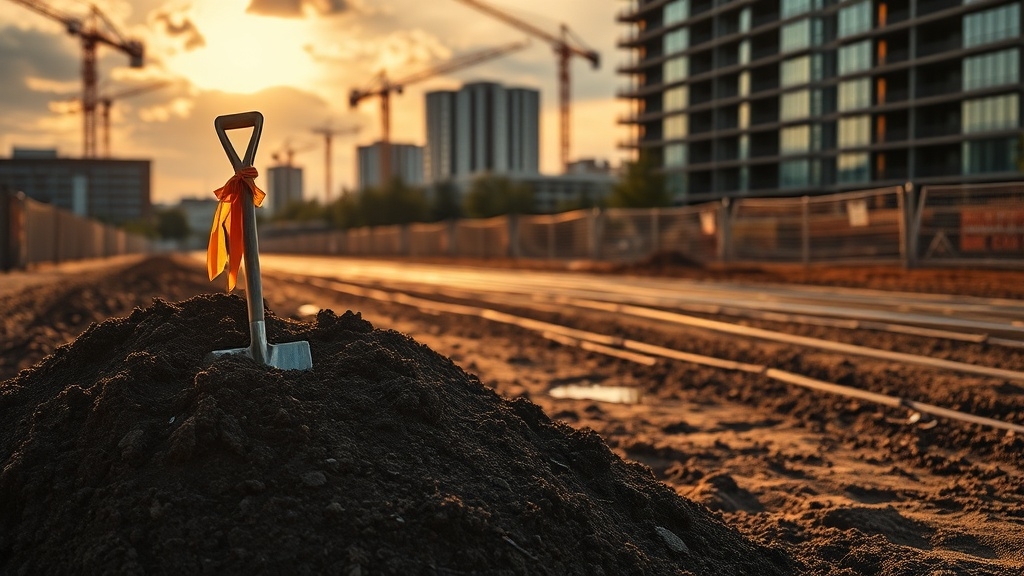
Phase One involves infrastructure foundation and utility installation. It targets an 18-month completion period.
Phase Two focuses on commercial space and community facility development. Community spaces arise simultaneously with commercial spaces.
Phase Three includes final residential components and public space activation. This phase completes the development process.
Risk management protocols oversee progress against benchmarks. Quality control ensures sustainable construction standards. Stakeholder communication is vital for project success. Transparency updates are shared monthly to maintain community trust.
Anti-Displacement Strategies and Sustainability Goals Drive Project Design
Protecting vulnerable residents while pursuing environmental excellence is the central design philosophy of the Minneapolis mall redevelopment project.
The $750 million initiative prioritizes community engagement. Regular stakeholder meetings and public forums ensure that resident voices shape every phase of construction.
Housing affordability measures anchor the anti-displacement framework. Developers commit to preserving existing affordable units while creating additional low-income housing options.
Green infrastructure elements feature rain gardens, energy-efficient systems, and sustainable material choices throughout the complex.
Mixed-use developments will combine residential towers with commercial spaces and community services. This creates self-contained neighborhoods that reduce displacement pressures.
Community land trusts will maintain long-term affordability controls. This prevents gentrification-driven resident exodus.
The project includes pedestrian-friendly transportation networks and thorough waste management systems. These efforts aim to achieve carbon neutrality targets.
Policy incentives from Minneapolis officials support developers who integrate environmental sustainability and displacement prevention strategies into their designs.
Public space enhancements will serve as community gathering points. These spaces strengthen social cohesion while advancing ecological goals.
Assessment
The $750 million green financing package marks a pivotal moment for urban redevelopment across the nation.
Anti-displacement measures and sustainability mandates indicate fundamental shifts in institutional lenders’ approaches to large-scale commercial projects.
Community-centered development models are now commanding premium financing terms. This is prompting developers to reassess traditional profit calculations.
The Minneapolis project sets new precedents for ESG-compliant real estate ventures. It may also exert competitive pressure on metropolitan markets seeking similar transformational capital infusions.
















7 Responses
Interesting, but isnt $750M quite a lot for a green project? Could this budget be masking other non-environmental agendas? Just food for thought.
$750M may seem high, but can we really put a price on saving our planet?
This $750M green loan sounds more like a gentrification scheme in a green disguise. Whos really profiting here? The community or the developers?
Not sure why were celebrating a $750M loan. Isnt this just more debt? Plus, how much green can a mall truly be, anyway?
Debt fuels growth. And any step towards green, however small, counts.
Interesting read, but isnt $750M a steep price for a green transformation? Could these funds be better used elsewhere in the community? Just a thought.
$750M is a bargain if it ensures our planets future. Isnt a healthy earth invaluable?