

Redevelopment Efforts and Tenant Strategies
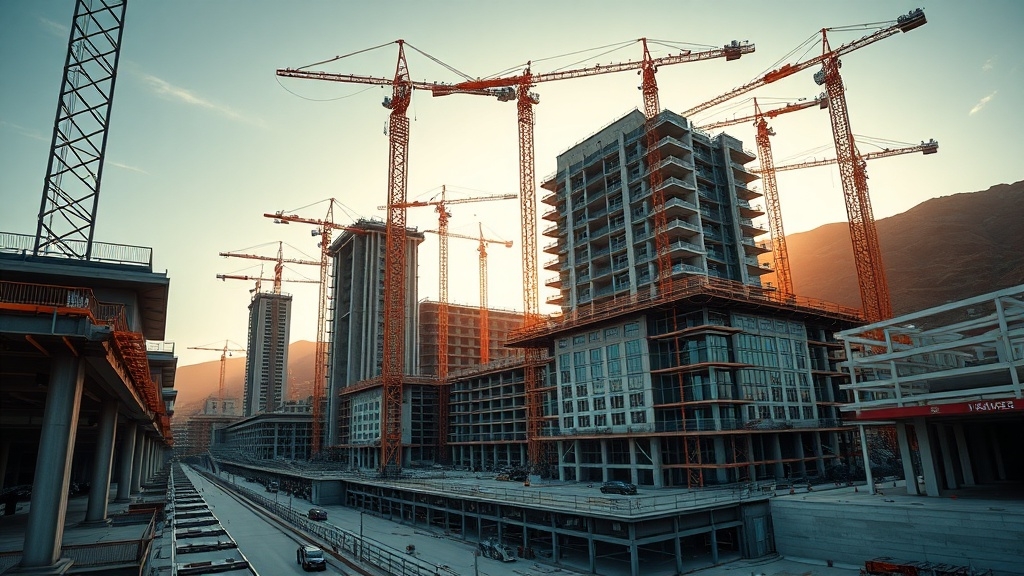
Mt. Pleasant’s redevelopment plans are geared towards addressing the fast-changing market dynamics. These plans emphasize the crucial need for tenant engagement and retail diversification.
The proposed redevelopment includes a mix of new structures. Up to 170,114 square feet is allocated for retail space, complemented by 87,200 square feet for office use. The shopping center’s owners are aware of mounting financial challenges faced by large tenants, influencing their focus on sustainable tenant strategies. As demand for multi-family housing grows, projects like these incorporate residential units to capitalize on the trend and offer diversified living options.
The project also features 421 residential units. Together, these elements aim to create a vibrant mixed-use environment.
To tackle vacancy issues, at least 60,000 square feet is dedicated to family entertainment. This approach ensures continuous community engagement.
Efforts in retail diversification are set to make the space an attractive destination. The goal is to boost foot traffic and improve tenant retention.
Financial Stability and Economic Implications
The specter of retail vacancy haunts the financial stability of commercial property markets. This accentuates concerns for landlords and investors alike. High vacancy rates erode rental income. This threatens the cash flow necessary for key financial obligations such as mortgages and taxes. Economic conditions impact consumer spending and retail sales, and consequently, vacancy rates. This economic challenge prompts landlords to offer rent concessions. Alternatively, they may accept increased tenant turnover during downturns. Such conditions further strain financial stability. The retail sector continues to perform steadily in niche areas, offering a glimpse of resilience amidst challenges. Prolonged vacancies can depress property values. This situation complicates refinancing opportunities. Tenant turnover spikes not only incur additional costs but also create a negative perception. Such perceptions deter future tenants. As economic pressures mount, tenant bankruptcies lead to sudden vacancies. These disruptions amplify market instability. They weaken investor confidence and diminish the long-term viability of retail properties. This situation impacts broader economic conditions.
Community Reactions and Stakeholder Concerns
Mount Pleasant is experiencing a whirlwind of community reactions and stakeholder concerns regarding the proposed redevelopment at the Towne Centre.
Local residents express their worries through petitions, aiming to preserve the Towne Centre Theater and Belk.
Town leaders are focused on addressing traffic and school zoning issues, which are mainstays in community feedback.
Meanwhile, key stakeholders are frustrated over their exclusion from discussions.
Tenant rights face challenges, particularly with Belk being kept in the dark about significant changes.
The lack of consultation with Belk accentuates these concerns.
Stakeholders have expressed their opposition through letters, highlighting their procedural discontent.
The situation remains contentious as the balance between retention and redevelopment is sought amidst these differing viewpoints.
Market Viability and Long-Term Prospects
Responding to intense community and stakeholder sentiments around the Towne Centre redevelopment, the focus now shifts to the market viability and long-term prospects of the retail hub.
Mount Pleasant’s retail submarket is thriving, with a low 2.8% vacancy rate that highlights strong retail demand.
Recent trends show that mixed-use spaces have been increasingly successful. They offer better occupancy rates compared to standalone retail properties.
The redevelopment plans aim to capture dynamic consumer trends by adding diverse retail, office, and entertainment spaces.
The inclusion of 421 residential units is intended to enhance long-term prospects by creating an ongoing captive demand.
Proactive measures by owners, such as attracting high-demand tenants, further strengthen market relevance.
Sustainable development practices are also aimed at boosting consumer appeal.
Selecting energy-efficient systems, such as those with smart thermostats, not only reduces long-term operational costs but also enhances the property’s appeal to eco-conscious tenants and buyers.
Assessment
The leasing of the vacant store in Mt. Pleasant marks a significant shift in the area’s retail dynamics. It emphasizes the community’s adaptability to changing economic and market conditions.
While redevelopment efforts bring optimism, stakeholders remain cautious. They are concerned about financial sustainability and long-term viability.
The new tenant’s success will depend heavily on strategic innovation. Community engagement is also crucial.
Mt. Pleasant seeks to balance progress with challenges. These challenges are posed by an evolving retail environment in an uncertain economic climate.















3 Responses
Interesting read, but isnt it ironic how we clamor for development yet bemoan gentrification? Cant have it both ways, folks!
Just read about the Mt. Pleasant store. Are we sure the new tenant wont just add to the current gentrification problem? Just saying…
Honestly, isnt gentrification just benefiting the rich? What about local businesses? Whos looking at the long-term impact on our community? #SupportLocal