Major Housing Developments Near Transit
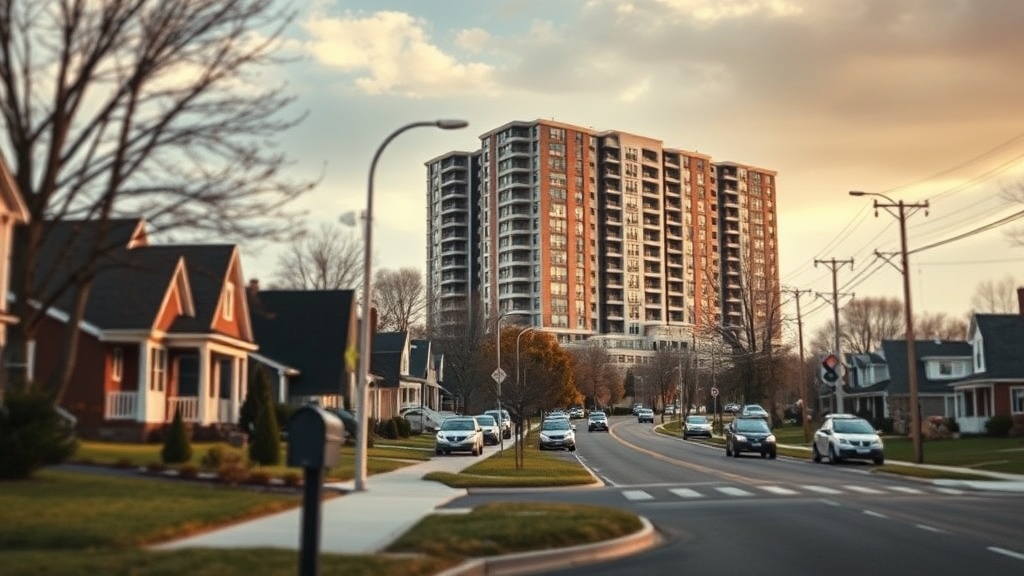
Amid the pressing need for diversified housing solutions, recent initiatives enabled by the Massachusetts Bay Transportation Authority (MBTA) Communities Law are reshaping Needham’s residential environment. At 242 Hillside Ave., a new 14-unit multifamily building spotlights this shift. Strategically located within 0.5 miles of commuter rail stations, it embodies the law’s emphasis on transit accessibility to ease zoning challenges. Similarly, the planned 189-unit development at 100-110 West St. underscores this progress in housing. Many investors eyeing such developments may also consider areas experiencing falling home values due to foreclosure spikes, presenting both opportunities and risks. These projects cater to commuters and workforce residents, diversifying Needham’s reliance on single-family homes. The inclusion of affordable units, particularly at Hillside Ave., also aims to support workforce and downsizers. This aligns with state density requirements and promotes transit-oriented living, essential for adaptive urban growth. The Hillside Ave. site’s evolution from a 1940-built two-family house into a modern apartment complex exemplifies the transformative potential of the MBTA Communities Law.
Regulatory and Community Involvement
Regulatory frameworks play a crucial role in Needham’s housing transformation under the MBTA Communities Law. The town faces zoning challenges to align with state mandates, requiring a 50-acre zoning district for at least 1,784 housing units by December 31, 2024. With multifamily housing types allowed by right, including apartments, condos, and townhouses, Needham seeks to bolster its housing capacity amidst the housing crisis in Massachusetts. The new housing development plan aims to convert equity into a passive income stream, enhancing financial opportunities for retirees.
This ambitious target demands robust engagement with community feedback to guarantee success. Public consultations via town meetings and Planning Board sessions shaped zoning proposals while addressing neighborhood concerns over density and character preservation.
Community groups have been vocal about the need for sustainable growth, influencing zoning refinements. Despite a Supreme Judicial Court ruling impacting enforcement, Needham continues to steer through shifting regulatory environments.
Legal uncertainties stress the importance of integrating community voice in adaptive planning strategies to meet legislative goals.
Impact on Housing Diversity and Affordability
The Needham MBTA law has initiated a notable transformation in the town’s housing landscape. This shift elevates both diversity and affordability to the forefront of local concerns.
By facilitating the development of 528 new units through Modera Needham and The Kendrick, the law addresses current housing trends. It specifically targets young professionals in response to evolving population dynamics.
This focus meets the demand for multi-family rentals, particularly alluring to Millennials priced out of larger urban centers. As a result, housing diversity is enhanced, offering more options for younger individuals and those looking to downsize.
However, affordability challenges persist despite a decrease in home prices. Needham remains a high-cost area, affecting lower-income residents disproportionately.
Market volatility may impact property values, especially when considering broader economic indicators like interest rates and inflation.
The economic gap is further strained by steep rental costs. This underscores ongoing concerns about accessibility in the changing housing market.
Assessment
The enactment of Needham’s MBTA law marks a pivotal shift towards more inclusive housing solutions. It unlocks major development sites near transit hubs.
This legislative change has fostered dynamic collaboration. Regulators and the local community have set an unprecedented example for other regions.
With the promise of enhancing housing diversity and affordability, these developments are poised to alter the town’s economic environment. They will accommodate a broader demographic and ease the housing crisis gripping the region.