Why NYCHA Buildings Keep Falling Apart
Mounting repair demands sit at the center of NYCHA’s decline.
Across its developments, the authority faces an estimated $78 billion in capital needs over 20 years. This burden is tied to funding shortfalls and aging infrastructure.
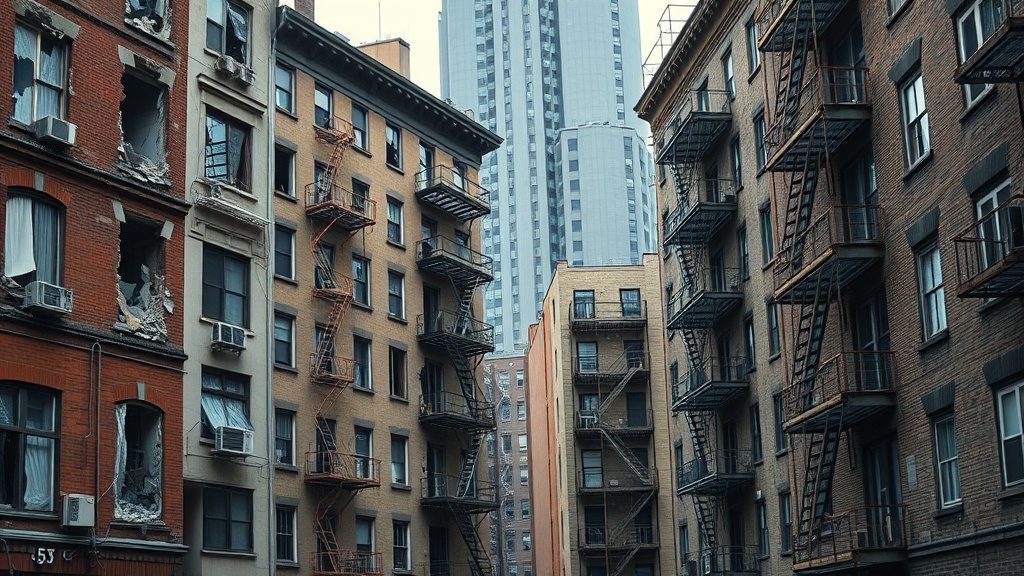
Physical needs assessments show systemic wear at many sites. Some properties carry repair needs comparable to, or greater than, those seen at Mitchel Houses before its partial collapse. In 2022 and 2023, HUD inspections found that 85 percent of NYCHA developments failed, highlighting a systemwide inspection crisis.
Deferred Upkeep Deepens Structural Risk
Years of underinvestment have allowed deterioration to compound. The 2025 mayoral race could shape how the city approaches public housing through competing housing policies and funding priorities.
When maintenance is deferred long enough, buildings can become unsafe, unhealthy, and legally uninhabitable.
Historical failures underscore the danger. The West Side Highway collapse and waves of 1970s multifamily building failures showed how prolonged neglect can turn known repair problems into infrastructure emergencies.
Pandemic-era work pauses and budget cuts accelerated unresolved conditions even further.
Mold, Rats, Heat Loss, and Broken Elevators
As basic habitability problems spread across NYCHA apartments, mold has emerged as one of the clearest signs of system failure.
Officials logged nearly 77,000 open mold and leak work orders in April. About 84 percent of complaints covered more than 10 feet, far above HUD limits.
Black mold appeared as powdery patches on kitchen cabinets in a documented Bushwick apartment.
Health risks include asthma attacks, bronchitis, coughing, congestion, and breathing trouble.
Mold removal met the required five-day deadline only 7.7 percent of the time.
Residents also contend with rodent infestations, heat loss, and elevator outages.
In damp bathrooms and kitchens, mold can look black, green, or yellow and smell musty.
These visible failures, alongside rats, cold apartments, and broken lifts, reflect worsening conditions across developments.
Elsewhere, rising housing instability has shown how eviction filings can deepen hardship for low-income tenants already facing unsafe living conditions.
Why NYCHA Repairs Stall for Months
Repair queues stretch across NYCHA developments because demand for maintenance routinely outpaces available staff, trades capacity, and appointment slots.
Average completion times vary by severity, local capacity, and staffing levels.
Skilled workers are assigned to developments, and Neighborhood Planning Units schedule trade tickets, but backlogs continue.
Scheduling Strains
Non-emergency repairs are set for the next available date, based on limited Property Management and Development staff.
Customer Contact Center representatives schedule appointments, yet they do not dispatch crews directly.
Emergency conditions may be stabilized after hours, while follow-up work waits until the next business day.
Bottlenecks Worsen Timelines
High demand and staffing shortages extend delays, especially for non-emergency jobs.
Painting bottlenecks are a major reason mold cases remain open, with painting consuming much of remediation time.
Resident approval requirements can also postpone repairs before work begins.
How Tenants Are Fighting Back
Residents across multiple NYCHA developments have organized coalitions, launched petition drives, and prepared legal challenges to resist privatization plans and force long-delayed repairs.
These tenant coalitions, including groups at Harlem River, Grant Houses, and Fulton Houses, have held regular meetings, gathered signatures, and documented worsening conditions.
Petitions collected support from more than 100 Harlem River tenants. Residents logged 523 open code violations across five East Harlem buildings.
Community Voices Heard helped coordinate planning and outreach. Marches, rallies, and open microphone events expanded public awareness.
Legal Tactics Intensify
Tenants also turned to legal strategies. East Harlem residents sued in May 2024 to compel repairs and challenge lease manipulation.
Rent strike plans emerged at Harlem River Houses and Fulton Houses. Legal Services NYC and Legal Aid backed cases seeking repairs, damages, and stronger tenant protections.
Why Privatization Is Now the Big Fight
Privatization has become the central flashpoint because NYCHA’s repair crisis is colliding with a funding gap so large that officials have pushed private-sector solutions deeper into the system.
With nearly $40 billion in unmet capital needs and an $80 billion repair estimate over 20 years, housing officials have expanded RAD and PACT conversions, infill development, and proposed air-rights sales.
Resident Stakes Rise
These moves shift thousands of apartments into private management.
They also reduce access through public housing waiting lists and block transfers between NYCHA and PACT sites.
Critics argue that funding diversion and management incentives can steer decisions toward revenue, not habitability.
At Holmes Towers and other campuses, infill plans intensified alarm after affordable promises gave way to majority-luxury proposals.
That shift reinforced fears that preservation may come with weaker oversight, less stability, and higher displacement risk.
Assessment
NYCHA’s decline has moved beyond isolated maintenance failures into a broader crisis affecting health, safety, and habitability.
As repair delays persist, tenants continue documenting conditions and pressing legal and political challenges against inaction.
The conflict over privatization has sharpened into the central battle over the system’s future.
Residents, officials, and housing advocates remain divided over control, funding, and accountability.
For many developments, the outcome will shape whether deterioration slows or deepens.