
Transformative Conversion Projects in NYC
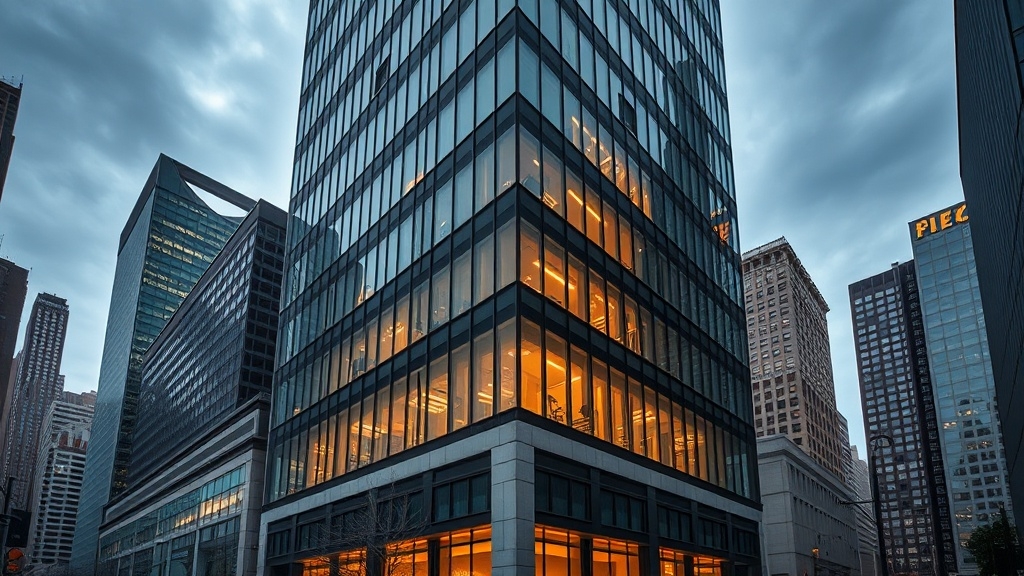
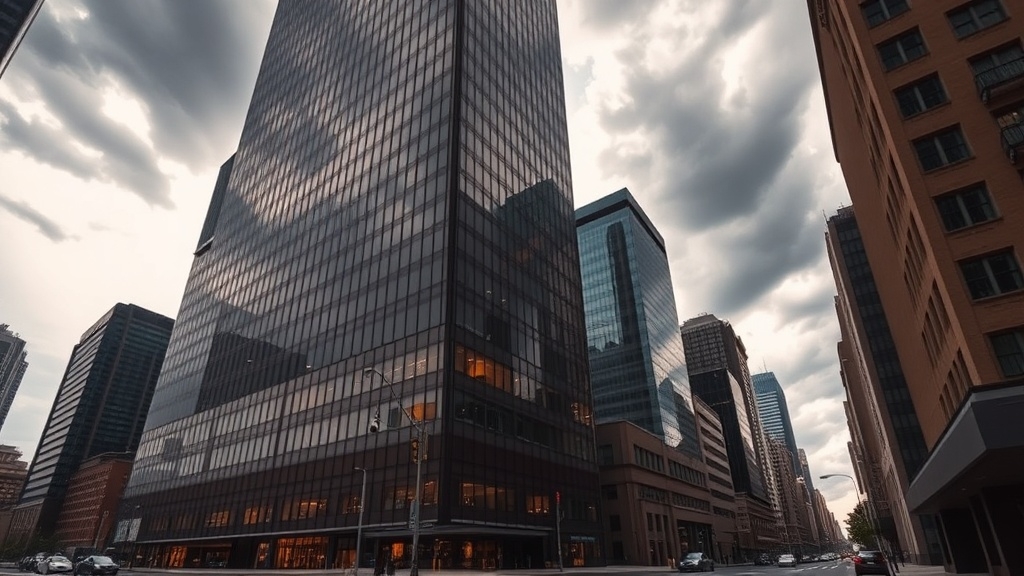
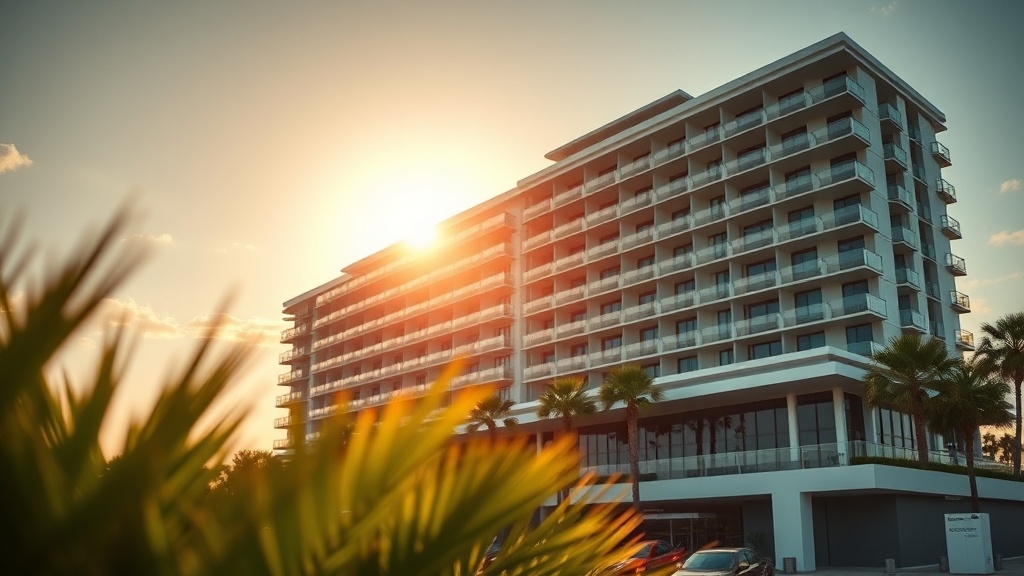
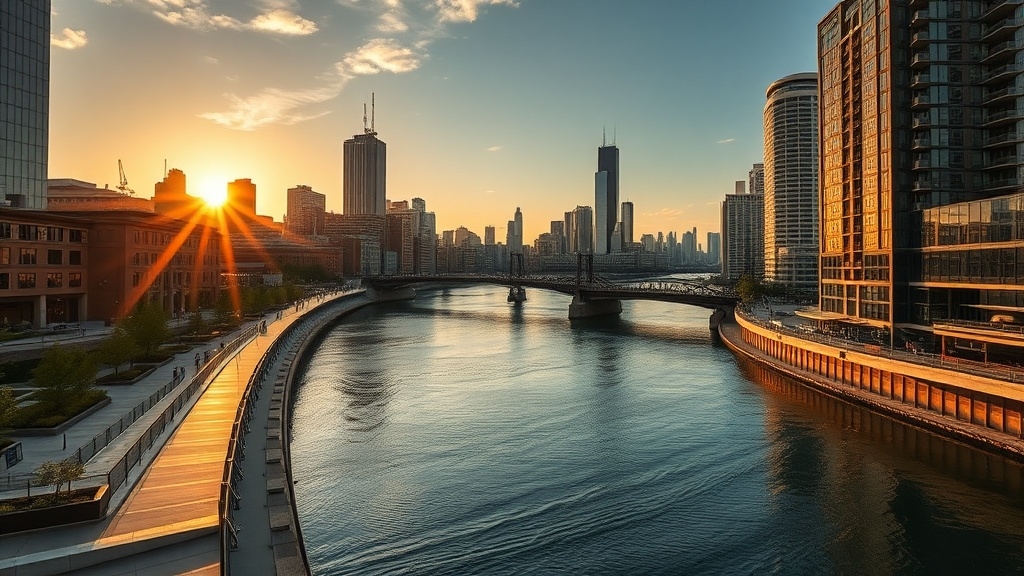
Amid an unprecedented housing shortage, New York City witnesses a groundbreaking surge in office-to-residential conversions. This transformation is reshaping its architectural skyline with urgency and innovation.
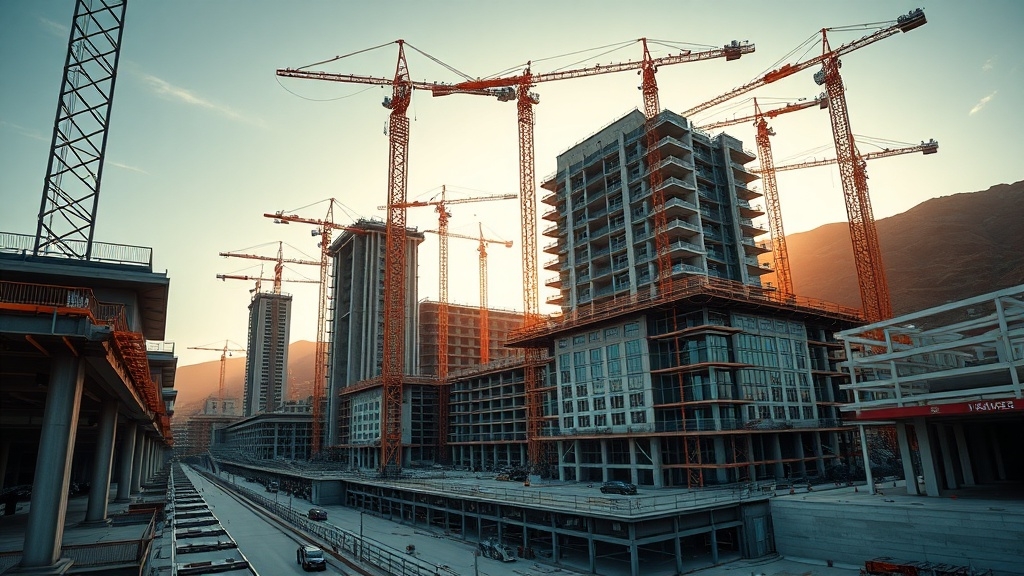
The adaptive reuse trend spearheads urban planning efforts. Projects are transforming underutilized commercial spaces into much-needed housing.
Noteworthy conversions include significant developments such as 25 Water Street. This project is yielding 1,300 apartments.
Similarly, Pfizer’s Midtown East HQ is bringing in 1,500 units.
By 2025, NYC anticipates about 8,310 apartment units emerging specifically from these conversions. This ambitious goal could be bolstered by the 467-m tax exemption, which incentivizes conversions by requiring affordable housing in the developments.
The movement responds to office vacancy rates, like 5 Times Square’s staggering 77%.
Transforming 917,745 square feet of space yields 1,250 new homes.
These conversions bolster urban planning, mitigating housing scarcities.
Financial Incentives and Policy Changes Fueling Growth
Navigating a complicated real estate landscape, financial incentives and policy changes are crucial for quickly transforming NYC office spaces into residential housing.
The 467-m Property Tax Incentive is a key catalyst. It provides up to 90% tax exemptions for projects that incorporate at least 25% affordable housing units.
This program encourages swift action with a structured timeline. It offers a 35-year tax exemption for projects initiated by June 30, 2026. Enhanced benefits are particularly available for buildings south of 96th Street in Manhattan, making conversions in these areas more financially attractive.
Regulatory reforms also play a role by eliminating the 12 FAR cap, allowing for greater residential density.
Together with zoning reforms, these changes remove barriers in high-demand areas like Manhattan and Brooklyn.
This spurs office-to-residential conversions, addressing the city’s housing shortage.
Architectural Design and Mixed-Use Development
As New York City navigates the challenges of a dynamic urban environment, architectural design and mixed-use development are crucial. They play a key role in transforming former office spaces into residential areas.
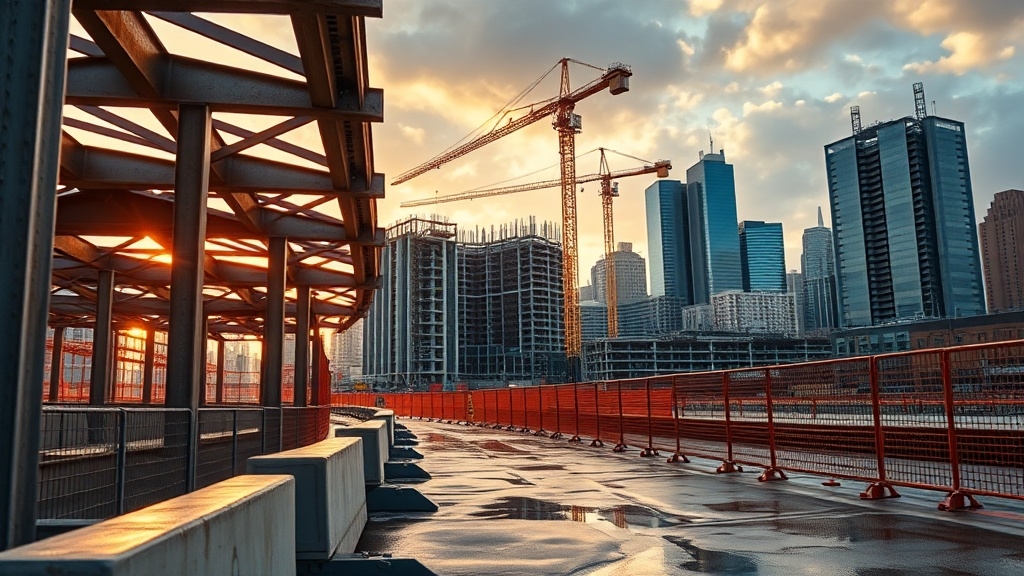
Adaptive reuse maintains office building skeletons while repurposing interiors for apartments. This approach ensures sustainable design practices are prioritized.
Maximizing natural light and ensuring efficient ventilation are central to these transformations. Open floor plans further enhance the living experience.
Flexible communal spaces boost resident interaction and community engagement. Shared areas and family amenities contribute significantly.
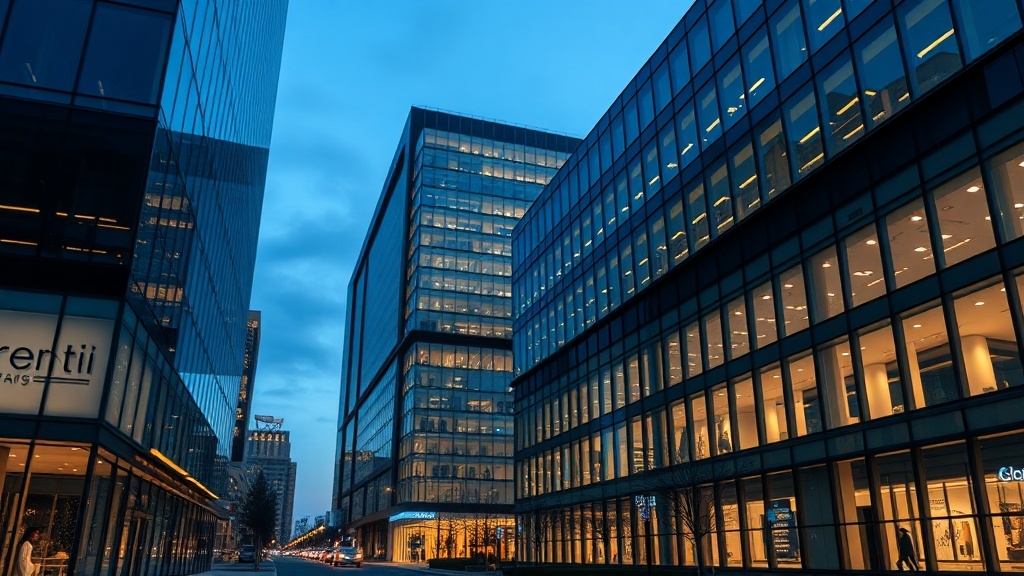
Commercial, retail, and lifestyle services are integrated with residential units. This blend cultivates vibrant, mixed-use environments in previously dormant office zones.
Amenities like fitness centers and wellness facilities appeal to diverse lifestyles. They enhance the value of these reimagined spaces.
Projects like these utilize existing urban spaces efficiently. They align with sustainable urban density principles without expanding the city’s footprint.
Economic and Community Benefits of Adaptation
In the dynamic environment of urban renewal, the shift from office spaces to residential development highlights substantial economic and community impacts.
Conversions stimulate economic revitalization by repurposing vacant properties and boosting local tax revenue. They contribute to financial stability through diversified income sources.
Key benefits include enhanced housing affordability. This is achieved by addressing shortages without the need for new land development.
Revitalizing transit-oriented downtown areas enhances urban vitality. Increased support for small businesses emerges from heightened residential activity.
Reduced construction timelines and costs contribute to financial feasibility. Empowered policy frameworks streamline regulatory processes to encourage conversions.
These transformations enable cities to adapt proactively. They balance economic pressures with community needs.
This approach provides a sustainable solution to urban decay and housing crises. It fortifies the social and economic fabric of neighborhoods simultaneously.
Nearly all counties examined (98.8%) in the widespread housing market crisis exhibit a historic increase in housing costs, adding pressure to find innovative solutions to enhance affordability.
Assessment
The conversion of New York City’s office spaces into housing marks a significant urban shift. Financial incentives and policy changes are accelerating this transformation.
These changes offer solutions to commercial vacancies and a housing shortage. The integration of architectural design with mixed-use development revitalizes neighborhoods.
This transformation drives economic growth and enhances community living standards. As these projects gain momentum, they exemplify a broader trend in urban adaptation.
This underscores the dynamic nature of city environments in response to evolving demands.








6 Responses
Interesting read, but isnt converting offices into housing just masking the real issue – a lack of affordable housing in NYC? Thoughts?
Perhaps its not masking, but adapting to the situation? Innovation over stagnation.
Interesting concept, but wont this just fuel gentrification and push lower-income folks out? What about affordable housing measures? 🤔💭💸🏙️
Interesting read, but isnt $340M excessive for the conversion? Could these funds be better utilized for affordable housing instead? Just food for thought.
Interesting take, but arent we just gentrifying offices now? What about affordable housing? Is this just another playground for the rich?
Interesting read, but cant help wondering if this $340M overhaul could have been better spent on affordable housing instead? Just food for thought.