

Rent Recovery Signals Market Stabilization After Years of Decline
Oakland’s rental market has emerged from a downturn with a 4% rent increase from May 2024 to May 2025. This marks the first recovery after nearly three years of declines.
The stabilization is a turning point for property investors who endured falling rents during the pandemic.
Despite this recovery, Oakland rents are still over 20% below their May 2019 peak.
Analysts attribute the recovery to stronger tenant demand as population trends shift and the economy normalizes.
Shrinking vacancy rates indicate growing competition, driving rent prices up across the metropolitan area.
A surge in new rental applications has changed market conditions, giving landlords more leverage in lease negotiations. However, the city’s rent adjustment ordinance limits increases to once per 12-month period for existing tenants.
Construction activity remains limited by high costs, restricting new supply that could temper the rent recovery.
This stabilization suggests potential for continued growth as Oakland’s rental fundamentals realign with economic recovery patterns.
Regulatory Changes Impact Landlord Revenue Potential
Sweeping regulatory changes are reshaping revenue prospects for Oakland landlords. New compliance mandates and rent control measures are set to take effect throughout 2025.
The annual CPI rent increase will drop to just 0.8% effective August 1. This severely constrains income growth for property owners despite the recent 6% market rebound.
Regulatory compliance challenges are intensifying. Landlords now face expanded reporting requirements to the Rent Adjustment Program, with annual data submissions mandatory by March 1st.
Property owners must navigate lengthened eviction timelines. Tenants will gain additional response time from five to ten days for unlawful detainer actions.
Tenant relationship management is becoming more complex under new credit reporting mandates. Buildings with 15 or more units are required to implement opt-in systems by April 1st.
Short-term rental restrictions will further limit revenue diversification. Secondary units are prohibited from operating below 30-day minimums.
Administrative burdens are increasing as landlords absorb compliance costs. They also face potential fines for reporting failures, fundamentally altering the investment environment. Additionally, property owners who are delinquent on taxes will be prohibited from implementing any rent increases under recent ordinance amendments.
Construction Slowdown Creates Supply Constraints
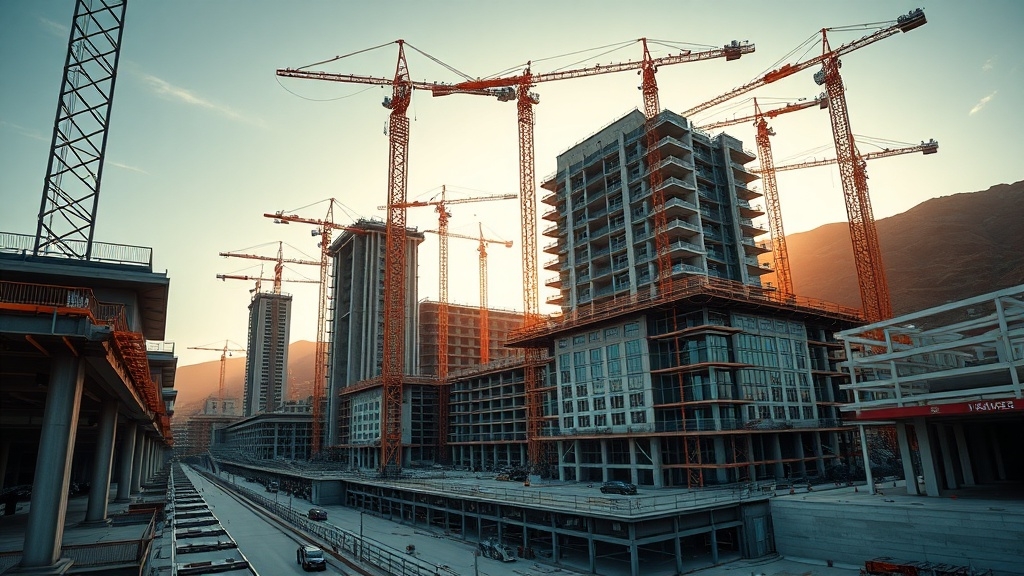
Despite efforts to address housing shortages, Oakland’s construction activity has plummeted to critically low levels. The city faces unprecedented supply constraints that threaten to intensify rental market pressures.
Building permit issuances have collapsed, dropping from 4,617 units in 2018 to just 795 in 2023. This represents an 83% decline, devastating new housing availability across the city. An increasing number of young Americans explore alternative, affordable housing options through tiny homes as a response to the crisis.
Large apartment developments have experienced the steepest reductions. Multi-family projects bear the brunt of construction barriers, including extended CEQA review processes and mounting regulatory hurdles.
| Year | Building Permits | Multi-Family Units | % Change |
|---|---|---|---|
| 2018 | 4,617 | 2,850 | Baseline |
| 2021 | 1,892 | 1,200 | -59% |
| 2023 | 795 | 320 | -83% |
| 2024 | Projected 650 | 280 | -86% |
CEQA reform initiatives aim to reduce project delays by 18 months. However, these measures have yet to reverse the dramatic decline in housing production, which continues to constrain Oakland’s rental supply.
Economic Factors Drive Future Market Outlook
Economic turbulence is reshaping Oakland’s rental terrain. Multiple financial forces are creating an unprecedented market environment.
Housing scarcity continues driving rental costs upward. Oakland maintains only 0.41 homes per person. This severe shortage amplifies price pressure. Demand consistently outpaces available inventory.
Tech sector expansion fuels employment growth. The robust 65.1% employment rate sustains rental demand.
Rising mortgage rates create additional market volatility. They limit homebuying capacity, forcing more residents into the rental pool.
Inflation concerns compound affordability challenges. Tariff impacts threaten GDP growth and consumer spending power.
Despite these headwinds, major forecasting platforms project continued price appreciation. Realtor anticipates 7.30% increases.
The East Bay economy demonstrates resilience against broader uncertainties. Regional economic variations create uneven market conditions.
Investment potential remains strong due to Oakland’s proximity to San Francisco job centers. There is sustained demand from technology workers.
Limited new construction exacerbates inventory stagnation. Supply constraints persist throughout economic cycles.
Assessment
Oakland’s rent has increased by 6%, marking the first sustained recovery period since 2021. This signals potential market stabilization amid ongoing economic uncertainty.
Regulatory pressures are continuing to constrain landlord profitability. At the same time, construction delays are exacerbating housing supply shortages across the Bay Area.
Market analysts warn that sustained recovery heavily depends on employment growth and regional economic conditions. Investor confidence remains fragile despite recent gains.






















5 Responses
Surprised Oakland rents are rising again? Blaming construction slowdowns? Maybe its time to question the economic factors driving market outlook. #FoodForThought
Maybe its time to question your understanding of market dynamics! #Economics101
6% rebound, really? Could just be a blip in the data. Dont call it a recovery until we see consistent growth, folks!
Interesting article, but isnt this 6% rebound just a bubble? What about the impact of pandemic-driven remote work on Oaklands future rent trends?
While its great for landlords, this 6% rent rebound in Oakland feels like a real punch in the gut for us renters.