
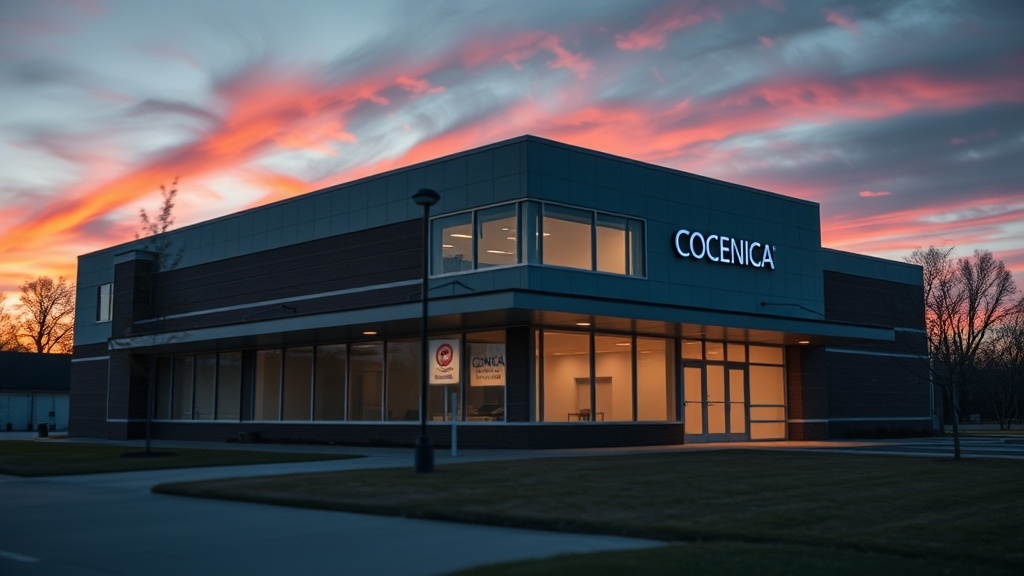
Details of the Sale-Leaseback Transaction
The recent sale-leaseback transaction between Cleveland Clinic and MedCraft HealthCare Real Estate has had a notable impact on the healthcare real estate market.
This strategic move involved selling 24 outpatient facilities, with 20 located in northern Ohio and 4 in Florida. The property valuation for this transaction totaled approximately $350 million.
With the deal, ownership of these properties shifts to MedCraft, a for-profit healthcare real estate company. Meanwhile, Cleveland Clinic will continue to operate these facilities under lease agreements.
This arrangement smartly releases capital that was previously tied up in real estate. The freed funds can now be redirected towards critical expansion and managing rising construction costs. As part of the transaction, the shift to taxable ownership opens up new property tax revenue streams for local governments and school districts, which could further support community development initiatives.
Such sale-leasebacks are representative of a broader financial strategy in healthcare. They enhance liquidity without disrupting essential services.
Impact on Cleveland Clinic’s Operations
Cleveland Clinic’s operations are experiencing significant transformations due to newly finalized real estate strategies.
One notable development is extending patient access hours. Outpatient specialty appointments are now available until 8 p.m. on weekdays and include Saturdays, accommodating the growing patient demand. These changes enhance convenience and boost operational capacity. In response to patient feedback, these extended hours were implemented to accommodate busy schedules and reduce delays in care, thereby aiming at improving access to healthcare services. They also help mitigate patient flow issues associated with the sale-leaseback arrangement.
On the financial side, an upfront copay policy, set to take effect in June 2025, aims to ease financial pressure. This policy is designed to improve revenue cycle management. However, it has also led to scheduling and satisfaction challenges for patients.
In terms of workforce structure, 114 administrative layoffs highlight the healthcare system’s efforts to address financial constraints. This move aligns with fiscal priorities following the transaction.
Local Community and Economic Benefits
Communities around Cleveland Clinic’s properties are set for economic change. Real estate transactions are reshaping the fiscal landscape.
Sale-leasebacks convert property from tax-exempt to taxable status. This boosts local tax revenues in cities like Akron, Fairlawn, and Twinsburg.
With this shift, municipal budgets and school district funding might see significant improvements. This facilitates better public services.
The continued presence of healthcare operations ensures job preservation. This is vital for maintaining regional employment levels.
The freed-up capital from leasebacks opens doors for healthcare infrastructure investments. Such investments sustain local construction jobs.
This restructuring signals a dynamic transformation in economic activity. Increased property tax revenue aligns with stable job climates.
Amidst these changes, communities must remain vigilant to avoid unfair practices associated with real estate transactions and management that may affect long-term prosperity.
Together, these changes reinforce both civic and community prosperity. Communities are ready to capitalize on these transformative benefits.
Assessment
The sale-leaseback transaction involving Ohio clinics represents a strategic financial maneuver. It allows Cleveland Clinic to liquidate real estate assets while maintaining operational continuity.
This move mirrors a broader trend within the healthcare sector. The goal is to bolster financial stability and fuel future investments.
The local economy is set to benefit from this influx of capital. Potential expansion opportunities promise a ripple effect of economic growth.
Job creation in the region is likely to follow. Stakeholders must remain vigilant of emerging impacts and opportunities.






















7 Responses
Interesting move, but is anyone else wondering if this sale-leaseback could potentially disrupt Cleveland Clinics operations in the long run? Just a thought.
Interesting read, but isnt selling Ohio clinics just a band-aid solution? Whats the long-term plan for Cleveland Clinics sustainability? Curious minds want to know!
Ever considered that selling Ohio clinics may be part of that long-term plan?
Interesting sale-leaseback move, but arent we just shifting money around? How does this really benefit the local Ohio community in the long run?
Financial maneuvers often spur local growth. Its not shifting money, its smart economics.
Guys, isnt it strange how this Ohio clinic sale-leaseback move seems more like a slick cover for undisclosed financial struggles? 🤔 #JustSaying
Sale leaseback move, huh? Maybe Im crazy, but wouldnt that money be better spent on patient care and not real estate shuffling?