
Auction Details and Key Information
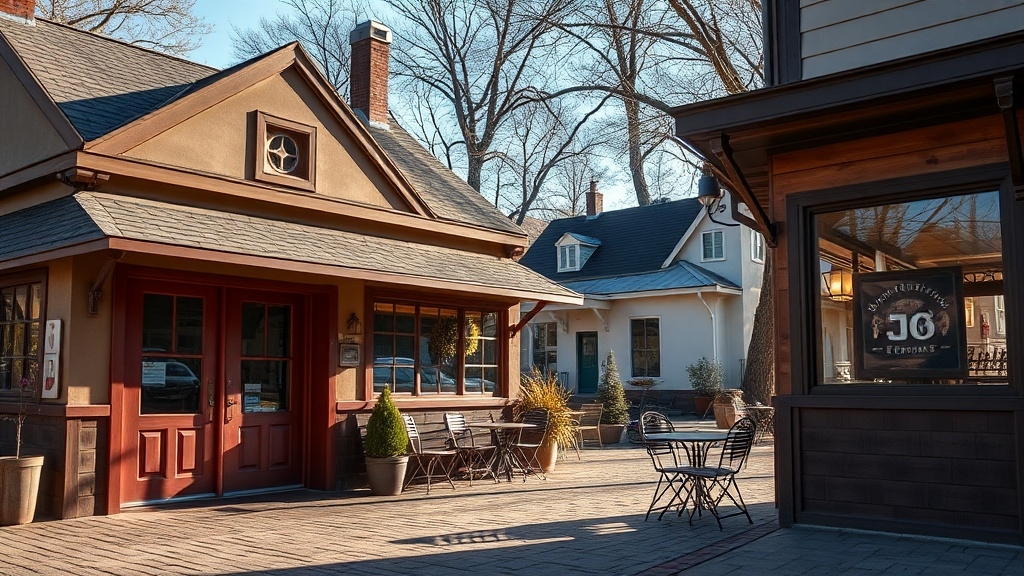
As the clock ticks toward the pivotal online auction dates of November 10-12, 2025, investors are gearing up to seize new opportunities in Salem’s competitive real estate market. The auction, conducted via LoopNet.com, necessitates thorough preparation for participants. Prospective bidders must complete the auction registration process in advance. This ensures their eligibility on the platform renowned for commercial property sales. Detailed bidding requirements are accessible on both auction and listing websites. These include necessary deposit prerequisites foundational to engagement. The seasonal moving spikes drive housing demand, impacting such auctions and property market dynamics during specific times of the year. The myriad of Salem properties up for grabs, highlighted by the notable restaurant/bar site, draws significant interest. The restaurant and bar up for auction have reported gross sales of $600,000, indicating strong market performance. Understanding the site’s extensive reach and strategic positioning offers keen insights into market potential. With competition intensifying, preparedness remains an essential component for prospective investors.
Property Specifications and Zoning Advantages
With bidding strategies set, potential investors are now focusing on the technicalities of property specifications and zoning advantages. Salem’s zoning regulations provide a strategic edge for restaurant development. In Commercial Retail (CR) zones, properties enjoy allowances for eating and drinking establishments. This significantly enhances their commercial potential. Proximity to arterial streets guarantees substantial accessibility. For lots created post-2003, compliance with the “Net Buildable Area” standards ensures sufficient usable space, except in specific age-restricted zones. Despite the advantages, investors need to be wary of potential cybercrime threats targeting high-value real estate transactions. Within the RS zone, residential areas are designated for single-family dwellings or equivalent uses, thereby maintaining low urban densities favorable for community development. Minimum lot area calculations must include lot width. Setback requirements influence site organization, which is vital for an ideal restaurant layout. CR zones also support multi-use developments. This allows for various commercial activities alongside dining venues. Pedestrian-friendly design requirements further bolster these developments. These tailored specifications considerably favor restaurant enterprises.
Market Analysis and Pricing Trends
The Salem real estate market is experiencing notable shifts as housing prices continue to rise. However, this increase is occurring at a more moderate pace compared to the pandemic-era surges.
With Salem home prices projected to grow between 3% and 5% through 2025, the location is becoming an intriguing site for potential restaurant investors.
Steady property value appreciation, bolstered by affordability and revitalization, is attracting interest. However, investment risks linger due to elevated interest rates affecting mortgage costs.
This complicates financial forecasts for future restaurant demographics. Simultaneously, rising inventory offers more choices for buyers, nurturing strong competitive bidding.
Ongoing demand for property, reinforced by stable employment sectors, supports real estate dynamics. Investor confidence grows with shrinking commercial cap rates, signaling Salem’s evolving market environment. A crucial concern for investors is the rise in foreclosure filings, which could affect property values and neighborhood stability in the long term.
Development Potential and Strategic Location
In Salem’s evolving real estate landscape, the development potential within the MU-III zone stands out for restaurant investors. This zoning supports a blend of retail, office, and residential uses, encouraging mixed-use planning. Situated near transit corridors, the site benefits from improved pedestrian infrastructure. These enhancements facilitate easy access and better connectivity. Salem’s focus on outdoor dining through its Sidewalk Café and On-Street Platform Program adds to the site’s appeal. This aligns with strategic positioning under Salem’s growth policies. Such policies prioritize the integration of commercial and residential spaces, offering distinct development advantages.
Building ADUs in the backyard space of existing properties can serve as strategic investments, maximizing both rental income and property value in city landscapes.
Comparable Sales and Investment Opportunities
Salem’s restaurant real estate market is currently experiencing notable economic trends that should capture the attention of investors. Comparable sales data reflect property values ranging from $85,000 to $3.935 million.
With an average value of $773,793, these figures offer a solid basis for crafting informed investment strategies.
Set against the backdrop of Salem’s broader commercial landscape, these numbers point toward lucrative sales opportunities. Presently, there are eight commercial restaurant sites available in Salem.
There are over 3.4 million square feet committed to restaurant real estate, providing diverse entry points for investors. Leasing costs average at $26 per square foot annually, which aligns with moderate investment thresholds.
Additionally, investor activity in cities like Austin and Phoenix is significant, where demand far outpaces supply.
Insights into multi-family zones reveal alternative investment opportunities. These suggest that diversification could potentially enhance returns.
Assessment
The upcoming auction of the Salem restaurant site presents a unique opportunity amid shifting market dynamics. Located strategically, the property boasts substantial development potential.
Advantageous zoning regulations further support its appeal. Market trends indicate increasing prices, enhancing the investment’s attractiveness.
This sale could markedly impact local commercial real estate. It aligns with broader economic patterns in the region.
As investors weigh their strategic positions, the auction outcome will be closely monitored. Insights gained may reveal future property market trajectories in Salem and beyond.






















7 Responses
Honestly, why auction it off? With the zoning advantages & strategic location, wouldnt it be smarter to develop it into a multi-use property? Just my 2 cents.
Ever considered that not everyone has the resources for development? Auctioning is quicker.
Why auction off prime Salem property? Just seems like an excuse to hike up prices. Zoning advantages or not, its a gamble for local businesses.
High stakes game, but progress demands risks. No gamble, no future growth. Its just economics.
The zoning advantages arent as rosy as they sound. Ever consider the impact of overdevelopment on Salems small-town charm? Just food for thought.
Is it just me or is it odd to auction a property amidst these pricing trends? Smells like a risky investment gambit, folks!
Interesting auction, but has anyone considered the impact of this on local businesses? Dont we have enough chain restaurants already? Just food for thought.