
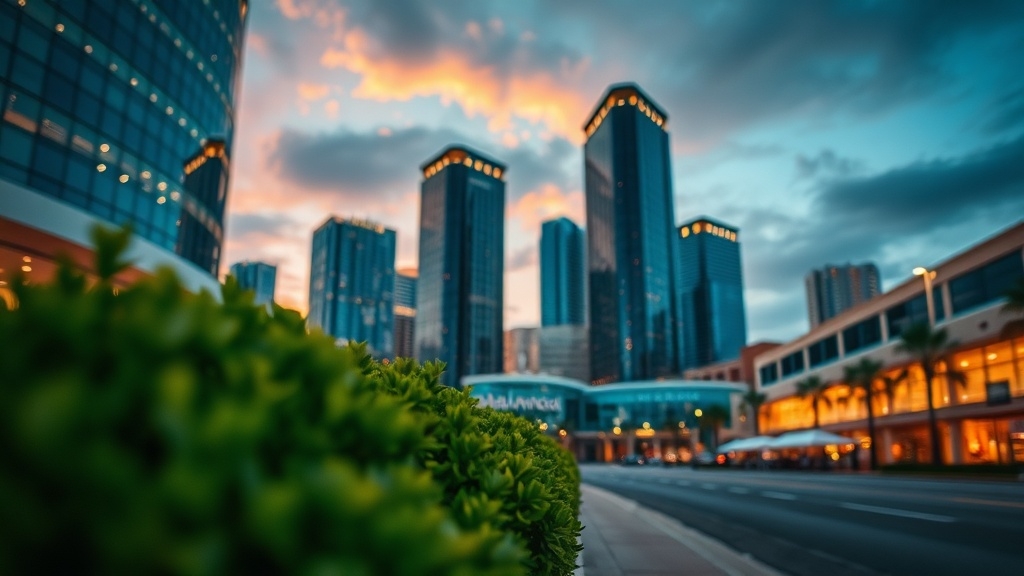
Shift Towards Residential Living
The shift towards residential living marks a significant transformation for Orlando’s urban setting. Population trends reveal a notable increase. The city’s population is projected to rise to 334,490 by 2050, driving urban revitalization efforts. The Southeast subarea will witness an 85% growth in residential units. This underscores a high demand for housing, particularly in suburban areas. Orlando anticipates an increase in multifamily units due to strong apartment demand. Forecasts suggest a rise from 70,000 in 2024 to over 87,000 by 2050. Retail-to-residential conversions play a vital role. An example is the Orlando Fashion Square redevelopment, integrating 1,500+ apartments. Similarly, in Oviedo, a developer plans to build a gated apartment complex in a former Macy’s parking lot, emphasizing the trend towards revitalizing existing spaces. These shifts aim to accommodate the growing population while revitalizing Orlando’s urban setting. This approach is taken without extensive sprawl.
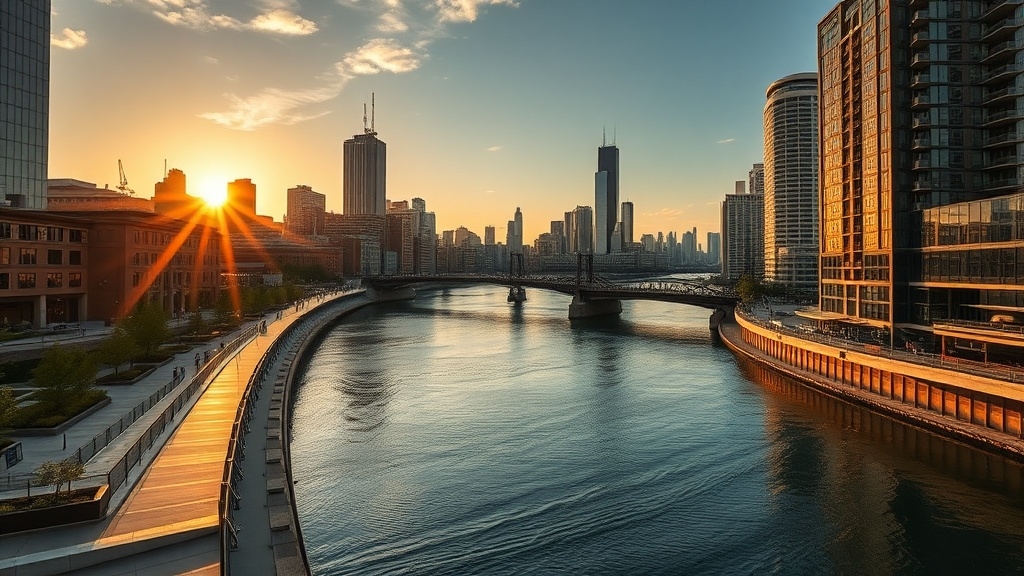
Impact on Downtown Orlando’s Skyline
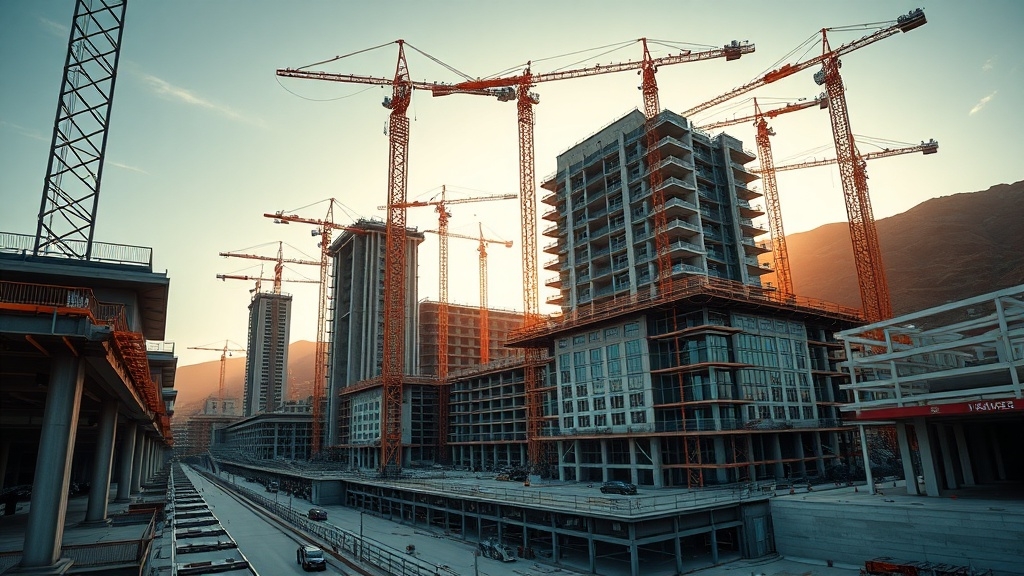
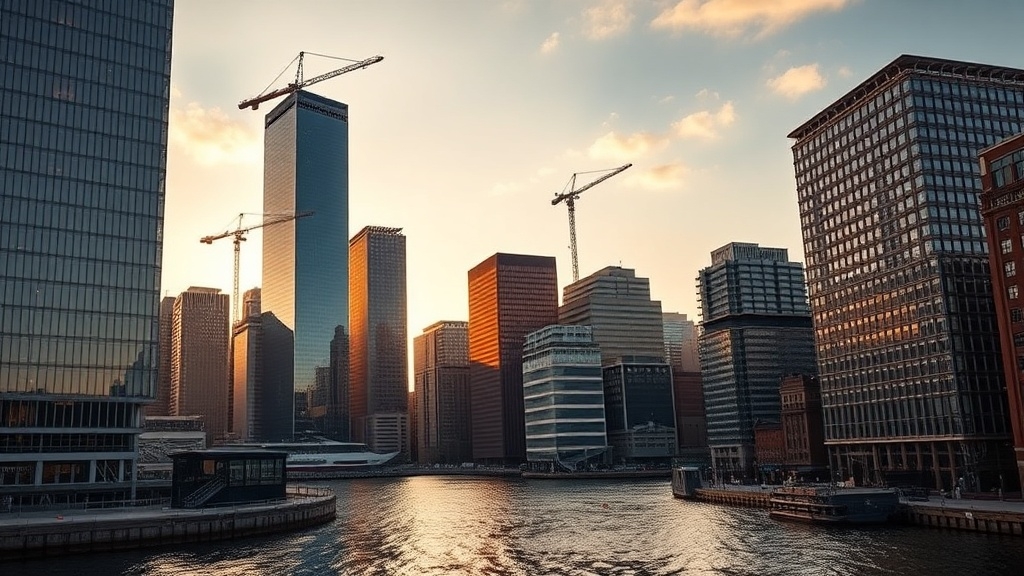
Could a mall redevelopment redefine downtown Orlando’s skyline? The answer is affirmative as nine new towers are poised to rise.
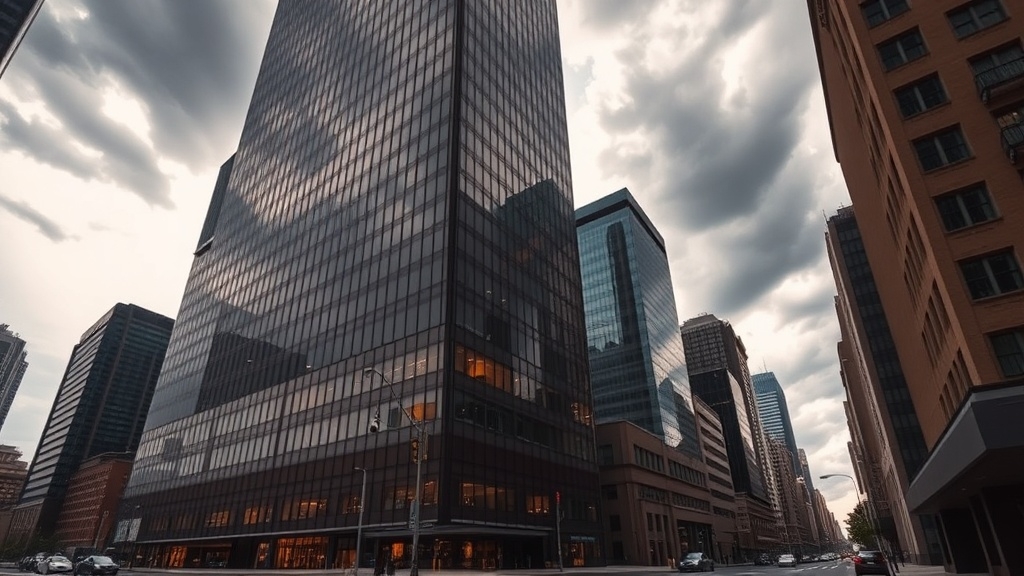
This expansion will enhance skyline aesthetics and propel urban renewal. The marked vertical growth will contribute to a diverse skyline by integrating residential, retail, and fitness centers. Ownership and valuation conflicts that have stalled redevelopment efforts at Orlando Fashion Square are hindrances that need resolution for progress to occur.
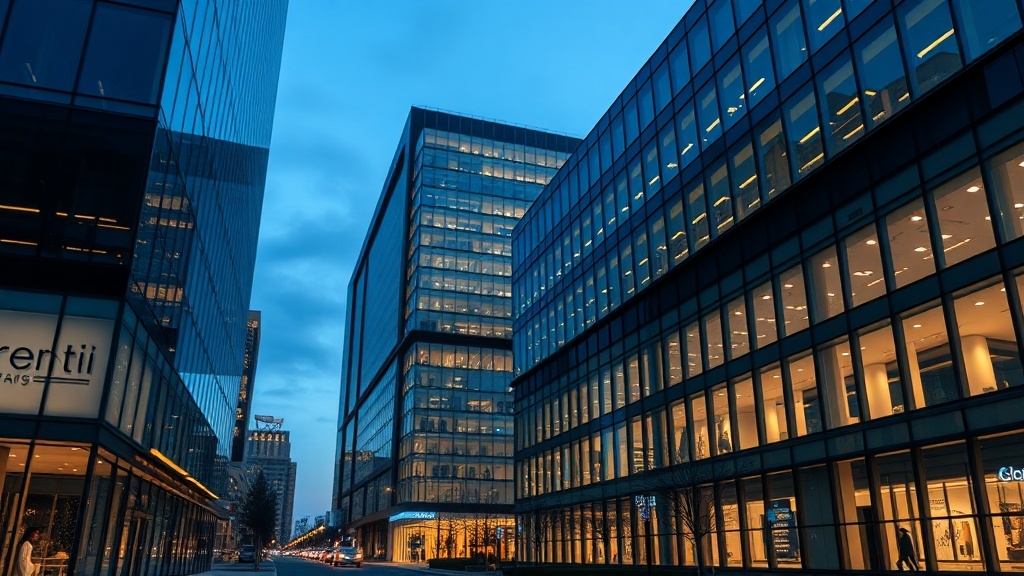
The architectural synergy of modern glass façades alongside traditional styles ushers in a fresher urban identity. Residents and visitors will experience varied building forms and heights.
This creates an architectural tapestry that attracts further investment. The urban renewal is summarized below:
| Aspect | Impact |
|---|---|
| Vertical Density | Increased |
| Architectural Style | Modern and Diverse |
| Public Engagement | Enhanced through amenities |
| Skyline Aesthetics | More Dynamic and Eye-catching |
| Urban Identity | Strengthened and Modernized |
Ownership Complexities and Development Challenges
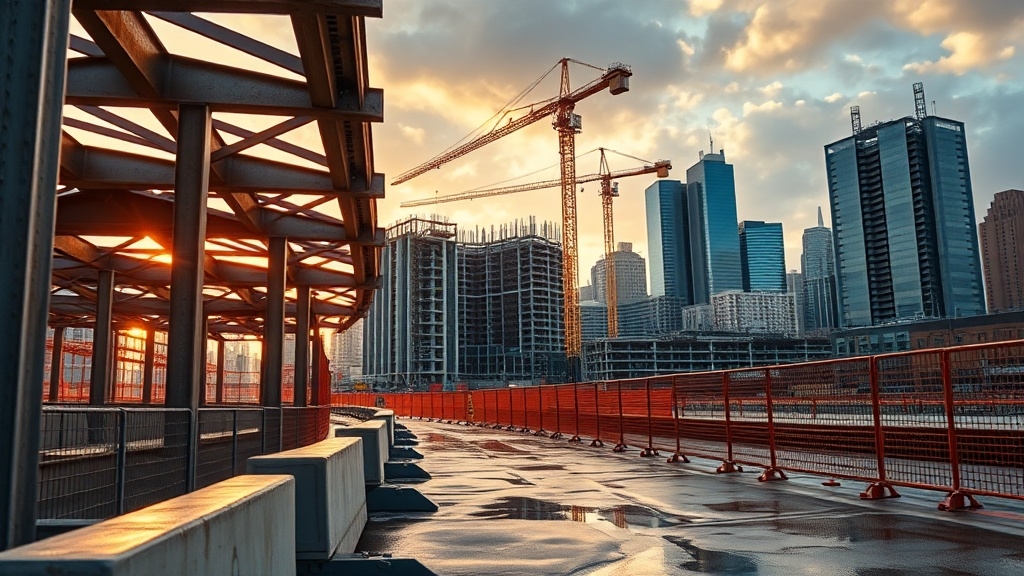
Navigating the complex landscape of land ownership and assemblage presents significant challenges for developers with ambitious projects. The transformation of Orlando Mall into nine iconic towers exemplifies these hurdles. Ownership fragmentation is a major obstacle. Developers frequently contend with acquiring multiple parcels owned by different entities. This fragmentation complicates and prolongs acquisition efforts. Unicorp’s prolonged ownership of critical Orlando properties highlights the perseverance needed in such ventures. Rising land values further exacerbate financial challenges, elevating acquisition costs and straining resources. Balancing private objectives with public planning policies adds another layer of difficulty. Joint ventures enable tackling projects that might be difficult solo. Zoning debates and the potential for eminent domain discussions often arise. Successfully managing these complexities requires strategic negotiation and planning. Only through these measures can the ambitious redevelopment of properties like Orlando Mall advance.
Planned Amenities and Facilities
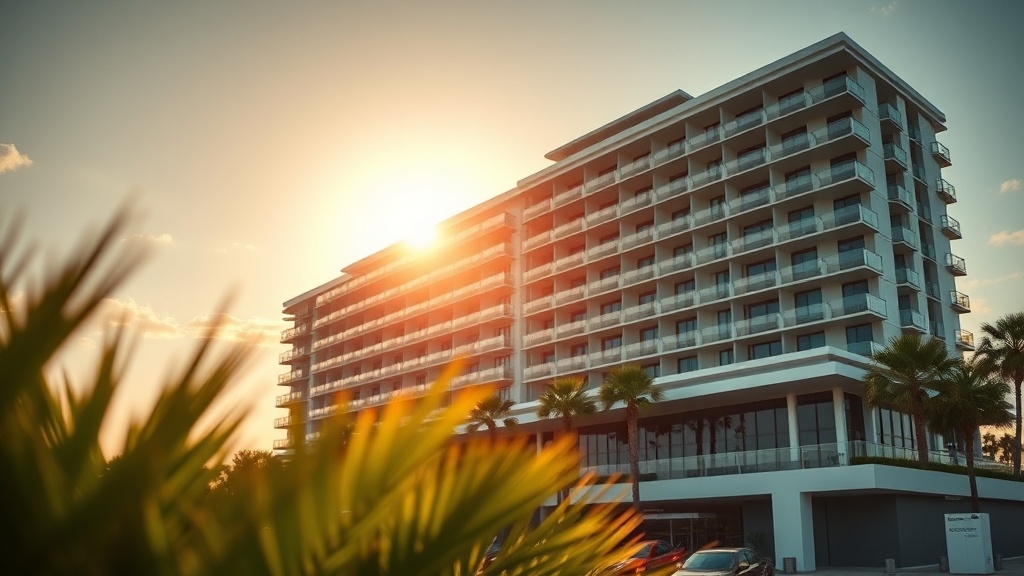
Transforming into a hub of modernity, the Orlando Mall’s redevelopment plans promise a compelling mix of residential, commercial, and public amenities. These are designed to meet a variety of needs and preferences. For residents, luxury amenities will include high-end finishes and spacious layouts. Smart home technology will also be available. Community spaces such as communal lounges and fitness centers are included for relaxation and interaction. Rooftop gardens provide additional outdoor retreats. Secure parking and seamless access to public transportation enhance convenience further. Commercially, plans suggest mixed-use development with diverse retail and dining options. Modern office spaces and event venues are also a part of the vision. Public amenities will range from art installations to community centers. Educational and emergency services will also be available. Green spaces with parks provide a natural touch. Sustainability features like solar panels and water conservation systems promise an environmentally mindful environment. To ensure accessibility compliance, features such as ramps and elevators will be incorporated throughout the development.
Assessment
The transformation of the Orlando mall into a development with nine towers, including residential units, marks a pivotal shift in urban planning strategies.
The incorporation of housing into this commercial environment promises to redefine downtown Orlando’s skyline.
Despite facing ownership complexities and development challenges, the initiative is poised to deliver significant amenities.
These amenities could invigorate the region.
This bold venture illustrates the increasing trend of blending retail and residential spaces in prime locations.











24 Responses
Interesting pivot, but wont this massive shift towards residential living saturate the market? And I cant help but wonder how this will change the overall vibe of downtown Orlandos skyline!
Interesting move for Orlando Mall. Wonder how the shift to residential living will impact the downtown Orlando skyline? The development challenges and ownership complexities could be major hurdles though. Excited for planned amenities!
Interesting pivot for Orlando Mall, but is there a need for more residential towers? What about green spaces and affordable housing? Discuss.
Residential towers also house people. Green spaces? More luxury, less necessity. Affordable housing is governments job.
Interesting pivot for Orlando Mall. Is downtown Orlando ready for such a drastic skyline change? And what about the potential red tape for residential development? Amenities sound great though.
Interesting pivot, but I wonder, wouldnt adding residential towers increase downtown Orlandos population density? What about the impact on traffic and public utilities? Also, how will this affect the citys skyline aesthetically?
Interesting pivot for Orlando Mall. But isnt cramming 9 towers into downtown Orlando going to worsen traffic conditions? How are they planning to integrate this new influx of residents?
Interesting pivot for Orlando Mall. But eh, wouldnt adding more residential spaces congest the already bustling downtown? Wondering how the city plans to manage traffic and other infrastructural challenges. Just a thought.
I get the whole urban living vibe, but isnt 9 towers a bit excessive? Whats next, replacing Disney World with condos? Just curious.
Excessive or progressive? Cities evolve, just like Disney World did from an orchard!
Interesting move for Orlando mall. But, is shifting towards residential living really a good idea considering the development challenges? Plus, how will this impact the unique downtown Orlando skyline?
Interesting pivot, but will these towers truly enhance Orlandos skyline or just add to the urban jungle? #JustAsking #DowntownOrlando
Just read about Orlando Malls pivot to 9 towers. Will this shift towards residential living really enhance Downtown Orlandos skyline or is it just adding to the ownership complexities? Thoughts?
Pivoting to 9 towers, really? Just another ploy to fill developer pockets. Wont enhance anything.
Interesting pivot for Orlando Mall. But how will the shift towards residential living impact the existing retail landscape? Wont this potentially change the downtown Orlando skyline drastically?
Interesting pivot indeed, but wouldnt the shift towards residential living dilute Orlandos commercial viability? Also, with the new towers, are we risking a cluttered skyline? Food for thought.
Just my two cents, but isnt Orlandos skyline crowded enough without adding 9 more towers? What about green spaces, folks? Lets not forget nature.
More towers, more people! Green spaces are for suburbs. Embrace urban progress!
Interesting move by Orlando Mall. Do you guys think shifting towards residential living will actually enhance the downtown skyline? Also, wondering about development challenges amidst the ownership complexities.
Doesnt the pivot to residential living in Orlandos mall tower project undermine the authentic hustle and bustle of the downtown area? I worry it might turn into a bedroom community, rather than a vibrant city center.
Interesting move towards residential living. But how would this sudden shift impact local businesses? And arent we overcrowding the skyline? Curious about the solutions for the development challenges theyll likely encounter.
Interesting pivot, but isnt it going to overshadow the unique charm of Downtown Orlandos skyline? And how will they navigate the complexities of ownership and development? Big changes ahead!
Interesting pivot for Orlando Mall, but isnt the shift towards residential living going to significantly alter downtown Orlandos skyline? Also, curious about how theyll handle the ownership complexities.
Can the pivot to residential living really boost Orlandos downtown? Is the skyline alteration worth the development challenges? Curious to see how planned amenities will play out.