Historical Significance and Architectural Features
As Philadelphia continues to embrace adaptive reuse, the transformation of its historical churches showcases the city’s resilience and ingenuity.
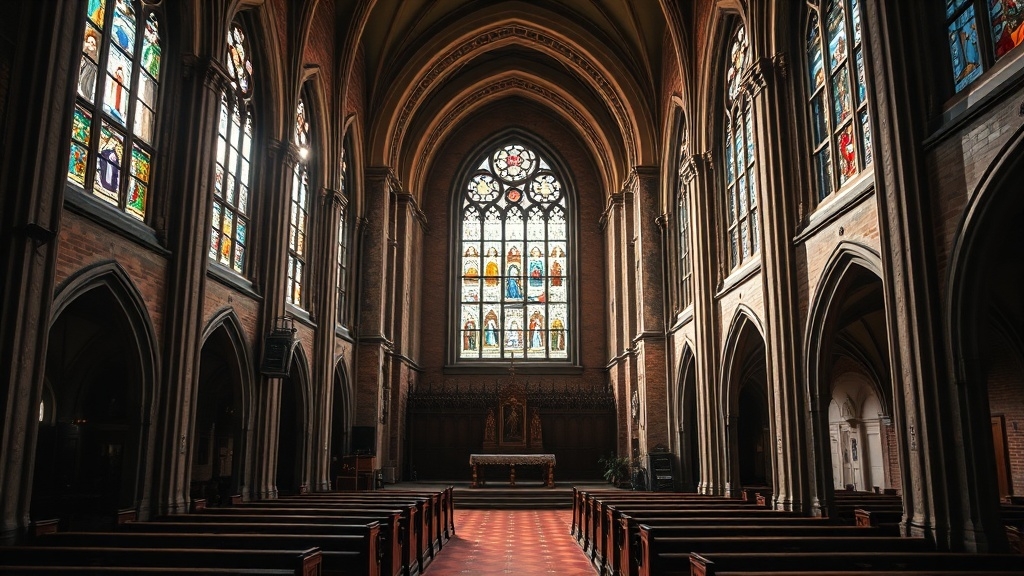
In Fishtown, churches like the Siloam Methodist Church and St. Laurentius serve as poignant examples of historical preservation through adaptive reuse. These edifices, once central to their communities, now seamlessly blend the past with the present. The Gothic stone structure of Siloam Methodist Church greatly enhances its architectural appeal, and renovation efforts have transformed it into a usable space while preserving its historical essence. As more Americans live longer than ever, demand for unique living spaces, such as converted historical churches, grows, offering both diversified investment opportunities and lifestyle options.
Meanwhile, St. Laurentius Church, with its tall majestic spires and iconic baby-blue ceiling, exudes grandeur and unique charm. Fishtown’s church conversions highlight the importance of preserving historical landmarks while maintaining architectural appeal. These efforts underscore a commitment to preserving history, enriching the community’s cultural and architectural setting.
Modern Renovations and Sustainable Enhancements
Modern renovations of Philadelphia’s historic churches into lofts highlight a blend of the past and present. These projects showcase innovative design principles that respect original architecture while introducing contemporary living features.
The transformations focus on sustainable design, incorporating eco-friendly solutions like energy-efficient lighting and advanced insulation. This reduces the environmental impact significantly. Adaptive reuse of original elements, such as exposed brick and stained glass, honors historical integrity. With the inclusion of energy audits, properties can precisely identify inefficiencies in their design, ensuring optimal energy use. At the same time, open floor plans and high ceilings create inviting, airy interiors.
Sustainability enhancements incorporate energy-efficient appliances and HVAC systems. Some even integrate solar panels to promote energy efficiency.
The use of green building materials underscores a commitment to environmental responsibility. Water conservation systems, including low-flow fixtures, further emphasize this dedication.
Located in Spring Garden, the lofts boast accessibility to the Art Museum and Center City. Thoughtful renovations create unique living spaces that balance history with modern amenities. This transformation offers a sustainable and stylish way to embrace both heritage and contemporary living.
Fishtown’s Ongoing Transformation and Market Impact
Fishtown’s ongoing transformation is a shining example of Philadelphia’s urban renewal. The area attracts a diverse demographic, from millennials to families seeking vibrant city life.
Rising median home values and increasing rental prices exemplify Fishtown’s gentrification. This has elevated its real estate desirability.
The influx of young professionals and remote workers highlights these demographic changes. Community engagement remains strong with preserved elements of Fishtown’s historic fabric.
The neighborhood also features adaptive reuses of former industrial spaces. However, concerns about affordability and potential displacement of legacy residents persist.
Public infrastructure continues to develop alongside these changes. Fishtown navigates the complexities of growth by emphasizing preserving community identity.
Expanding urban amenities also remain a focus as the neighborhood evolves.
A similar project in Portland involves a $130 million investment in affordable housing near Portland State University, reflecting a broader trend in responding to urban housing challenges through public-private partnerships.
Assessment
Fishtown continues its rapid evolution. The $3.5 million church-turned-loft confirms blending history with modern sustainability.
Its unique architectural features and cutting-edge renovations highlight the neighborhood’s dynamic real estate environment. This listing underscores Fishtown’s allure for investors and homebuyers alike.
It reflects a broader market trend toward adaptive reuse and eco-conscious living spaces. The property not only enriches the area’s historical narrative.
It also contributes to its burgeoning economic and cultural revitalization.