

Key Takeaways
- Sharp declines in Portland housing permits signal a significant slowdown in new residential developments.
- The combination of high construction costs and supply chain challenges hampers city expansion and investment returns.
- The current conditions elevate risks for real estate portfolios and raise concerns about the city’s future growth potential.
Mounting Challenges in Portland Housing Development Landscape
Scarcity and bottlenecks are taking hold, threatening to choke future development.
The risks to portfolios and city growth have never been greater.
Housing Permits Plummet Amid Surging Costs and Regulation
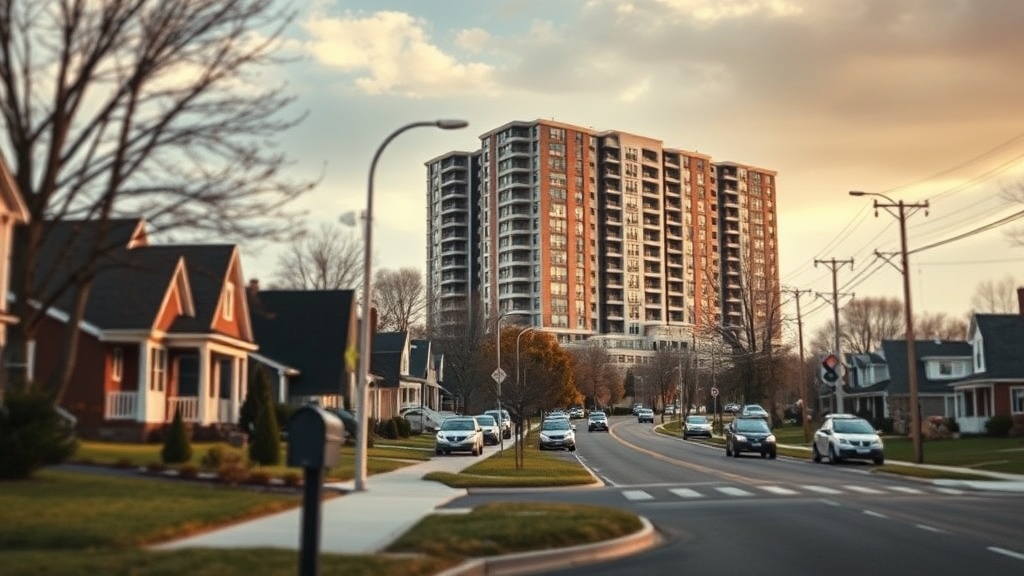
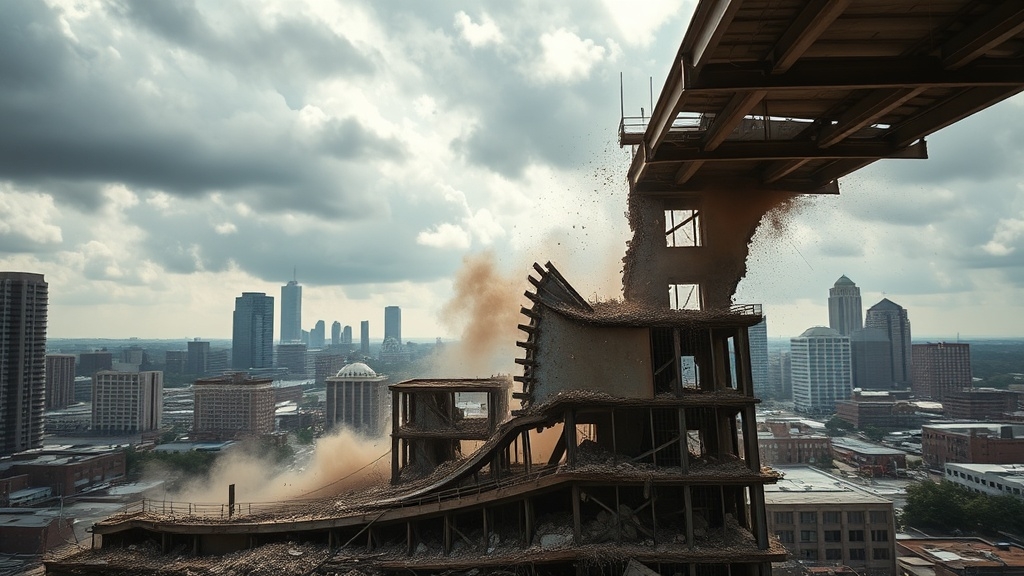
Between 2019 and 2024, the Portland-Vancouver-Hillsboro region witnessed permit approvals for multifamily housing crater by 68%. The pace is unprecedented, sending shockwaves through every corner of the market and exposing vulnerabilities in infrastructure investment across the city.
Single-family home permits, the backbone of many urban development strategies, have also fallen. In just five years, their numbers dropped by 19%, signaling a far-reaching impact on the housing ecosystem.
What does it mean when national trends surge upward, yet a city that prided itself on progress sees housing project approvals wither away?
Across the country, single-family permits climbed 7%, but Oregon’s fell by 1%. The contrast is striking, and the message is clear—Portland, once an engine of growth, now risks falling behind.
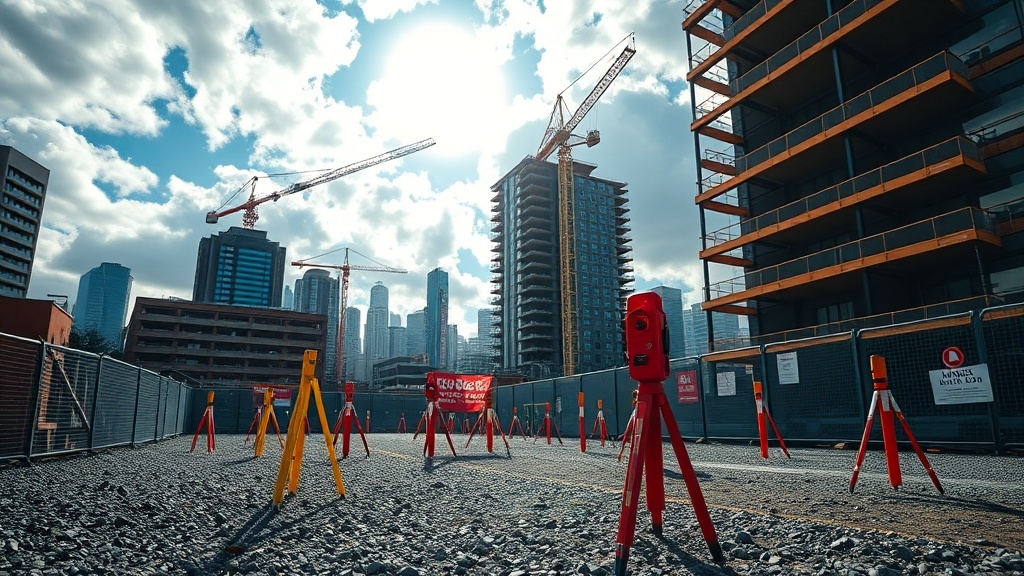
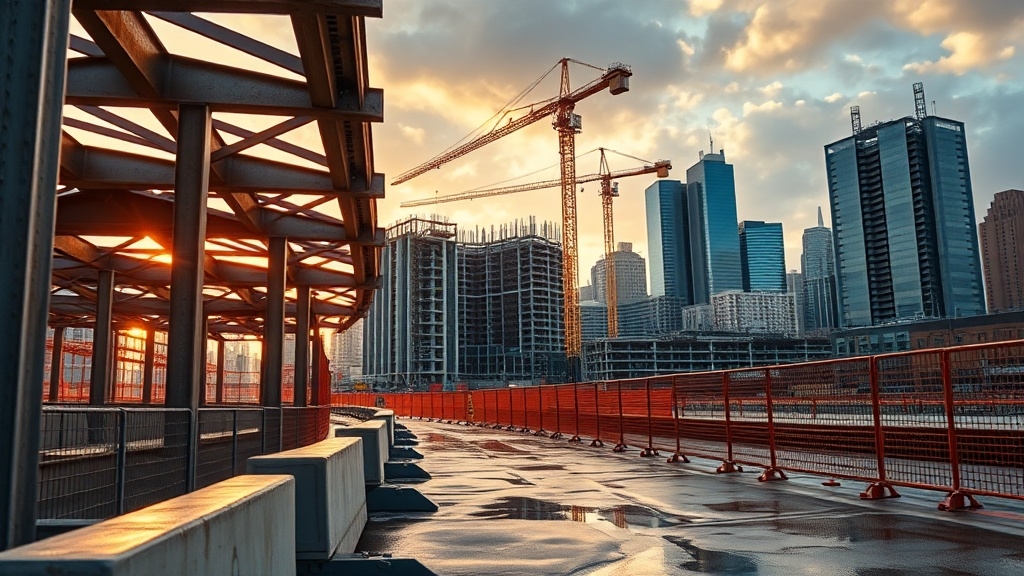
Construction costs sit at the heart of this collapse in building activity.
Labor shortages choke developers’ timelines.
Skyrocketing expenses halt projects before they even break ground, killing momentum for urban development and grinding infrastructure investment to a halt.
According to data collected by the U.S. Census Bureau, Portland’s housing permitting statistics are updated monthly and reflect totals for all structure types, providing a comprehensive look at trends for both single-family and multifamily housing.
Following the implementation of Portland’s Residential Infill Project (RIP) and RIP2, an uptick in middle housing permits has somewhat countered the slowdown in single-family construction, providing a modest buffer to the crumbling pipeline.
As these economic forces intensify, housing affordability erodes.
Portland’s supply of new housing shrinks with every halted permit.
Inventory concerns multiply, threatening to ignite even fiercer bidding wars for the few homes available.
Developers are squeezed between the vise grip of tariffs and mounting regulatory pressures.
Those banking on Portland’s growth face wave after wave of new hurdles.
Government policies, though well-intentioned toward affordability, add another layer of complexity, exacerbating the risks inherent in infrastructure investment.
The city’s response, through landmark regulatory changes like RIP2, aimed to reverse the trend by opening doors to middle housing—ADUs, duplexes, triplexes, and four-plexes.
These changes sparked a surge in permits for alternative housing types, but it is not enough to offset losses in the broader permitting pipeline.
Middle housing hotspots have emerged primarily between the Willamette River and I-205, reflecting where rule changes have made the greatest impact.
Yet, the broader collapse in traditional permit types dramatically overshadows gains in these narrow market segments.
Oregon’s meltdown is part of a broader trend.
The state’s multifamily permit approvals plummeted by 43% in 2024 alone, cementing the crisis gripping the entire region.
Nationwide, the story is one of growth; in Portland, it is one of contraction, scarcity, and rising desperation.
How much further can Portland’s housing infrastructure erode before the market cracks wide open?
With project pipelines drying up and inventory shrinking, the city’s signature approach to urban development is threatened at its core, and the risk to long-term infrastructure investment could devastate both investors and the communities they serve.
Assessment
What’s Next for Portland’s Housing Market?
Portland’s housing permits have plummeted by a staggering 61%, raising real concerns about the city’s ability to meet future housing needs.
When fewer permits are approved, it doesn’t take long before supply dries up, and that could make affordability even worse.
Builders are facing higher costs and an ongoing labor crunch, putting thousands of potential homes on pause.
If new housing can’t keep pace with population growth, will our roads, schools, and infrastructure be able to keep up?
Unless Portland acts now to reduce construction barriers and invest in solutions, this permitting collapse could leave the city with a serious housing shortfall and long-lasting economic headaches. As the crisis deepens, the fear grows that if the situation is not addressed, providence developers abandon tower project, further exacerbating the housing deficit. This scenario could stifle economic growth, drive up housing prices, and push residents into precarious living situations. The time to act is now; failure to do so could lead to irreversible damage to Portland’s housing landscape and community vitality.
We all have a stake in Portland’s future—now’s the time to demand action and get our housing market back on track.











4 Responses
Wow, 61% drop! Maybe its time Portland considers easing up on regulations to encourage more affordable housing projects? Just a thought.
61% drop?! Maybe its time Portland considered less red tape, lower costs, and more incentives for developers. Just a wild thought.
Isnt it time Portland considered tiny homes? Lower costs, quicker build times – could be a game changer for this permit situation.
Just saying, maybe Portlands housing collapse is a blessing in disguise? Less urbanisation, more green spaces? Just some food for thought guys.