
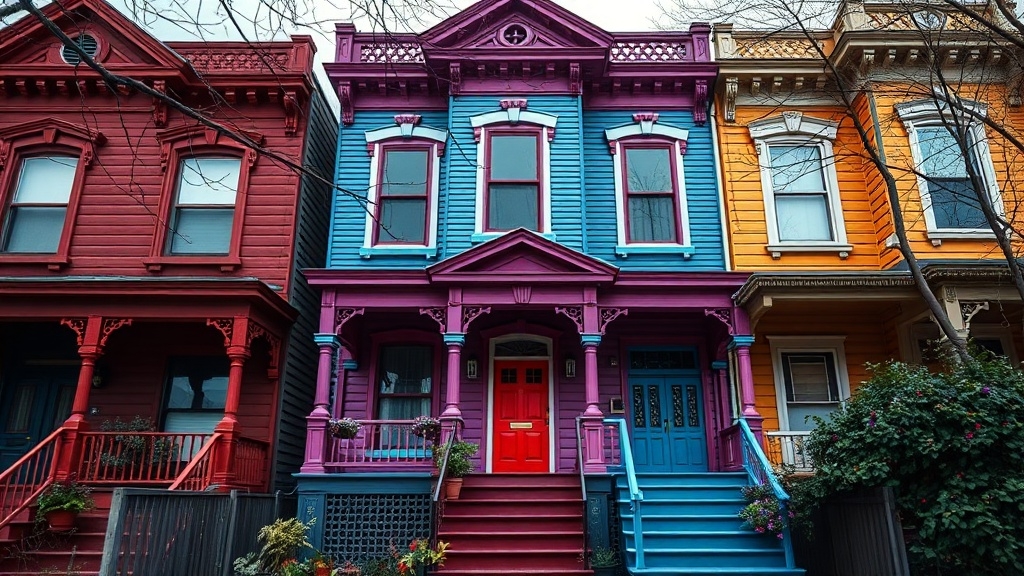
Unveiling the Vibrant Charm of the Jasmine House
Nestled in the heart of Long Island City, Queens, the Jasmine House stands as an architectural gem amidst the urban landscape.
This unique property, located at 28-07 36th Avenue, captivates with a colorful ambiance and artistic expression. Priced at a remarkable $3 million, it commands attention not just through its vibrant charm but also with its value.
Vibrantly floral-themed interiors, adorned with floor-to-ceiling windows, create a bright and engaging atmosphere. Occupants are immersed in a sense of “eternal spring,” evoking joy and vitality.
Each room’s candy-colored scheme underscores the house’s distinct character. Hand-selected chandeliers serve as sculptural art pieces, enhancing its extravagant style.
The design transcends conventional residential norms. The Jasmine House is more than just a residence; it’s a striking statement piece and lively conversation starter.
This flexibility in design supports both luxury residential living and professional use. Jasmine House is truly a rare find.
Architectural Wonders and Artistic Elements
While the Jasmine House stands as a beacon of creativity, it epitomizes the broader architectural wonders and artistic elements that define Queens’ residential environment.
Queens’ architecture, marked by its eclecticism, exhibits significant architectural diversity shaped by multicultural influences. The borough’s diverse architecture mirrors the population’s rich cultural mix and historical growth. Residences often feature mixed façade materials such as brick, vinyl siding, and stucco. This reflects a tapestry of historic and personal choices.
Vibrant colors on facades, doors, and stoops provide a rich display of color symbolism. They infuse individuality into the urban scenery. Innovative strategies like fractional ownership via tokenization expand property markets and investment opportunities, blending modern conveniences with traditional elements.
Decorative elements, from lion-topped fence posts to brightly painted accents, contribute to visual drama and cultural expression.
The integration of these artistic elements within traditional forms transforms Queens into a living collage. This showcases both a community identity and a personal narrative.
The Unique Position of Jasmine House in the Queens Market
Positioned at the crossroads of innovation and tradition, Jasmine House stands as a transformative presence in the Queens real estate market.
This property capitalizes on current trends valuing unique, vibrant living spaces.
Located in a bustling community, it offers substantial investment potential. Its versatile design and sought-after location add to its allure.
Jasmine House distinguishes itself in Queens for several compelling reasons.
Architectural Uniqueness: Its candy-colored interior defies conventional aesthetics.
Strategic Placement: Proximity to transportation links enhances its desirability.
Mixed-Use Potential: The duplex style supports both residential and potential commercial space.
Competitive Edge: With a $3 million listing, it attracts niche buyers seeking exclusive, personalized property investments in a dynamic market.
Growing Market Trend: As part of the rising home prices in select markets, Jasmine House exemplifies strategic buy-and-hold investment opportunities.
Historic Disputes: a Tale From the Borough
In the vibrant tapestry of Queens’ real estate domain, a historical narrative unfolds. Age-old boundary conflicts continue to shape the borough’s identity.
Arbitration Rock stands as a monument to these disputes, marking the colonial boundary conflicts between Newtown and Bushwick that began in 1769. This boulder symbolizes the intense property battles characteristic of boundary disputes.
Corrupt colonial leadership often worsened these tensions. Figures like Governor Lord Cornbury laid claim to contested lands.
By the late 19th century, just before the Revolutionary War, Arbitration Rock and natural landmarks finally provided resolutions.
In 1925, a boundary redraw placed Arbitration Rock entirely within Queens. Its revival in the 1990s and subsequent relocation underscored its historical significance. This fueled further debates over rightful stewardship.
Balancing Modernity and Heritage in Queens Real Estate
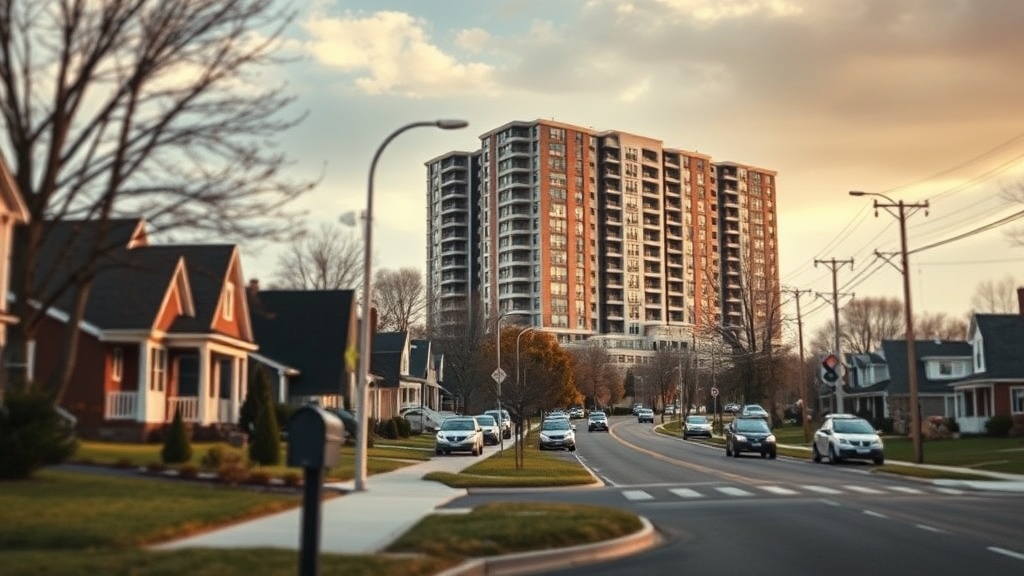
Queens’ real estate market stands at a pivotal crossroads. The urgency of modern development clashes with revered historical ties.
The tapestry of Queens’ neighborhoods highlights how heritage preservation intertwines with modern design. This nurturing creates unique urban settings.
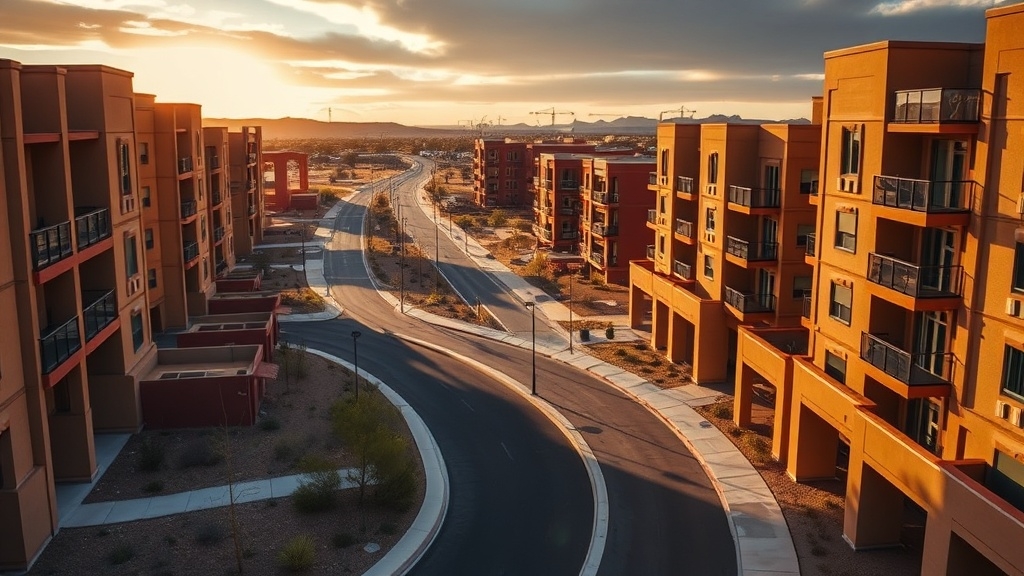
In Astoria, rich Greek heritage blends with modern urban living. Long Island City transitions from industrial roots to modern high-rises, retaining its artistic history.
Flushing experiences multicultural growth, harmoniously mingling global influences with rapid urban expansion. Historic homes are renovated alongside new constructions, reflecting a blend of preservation and modernity.
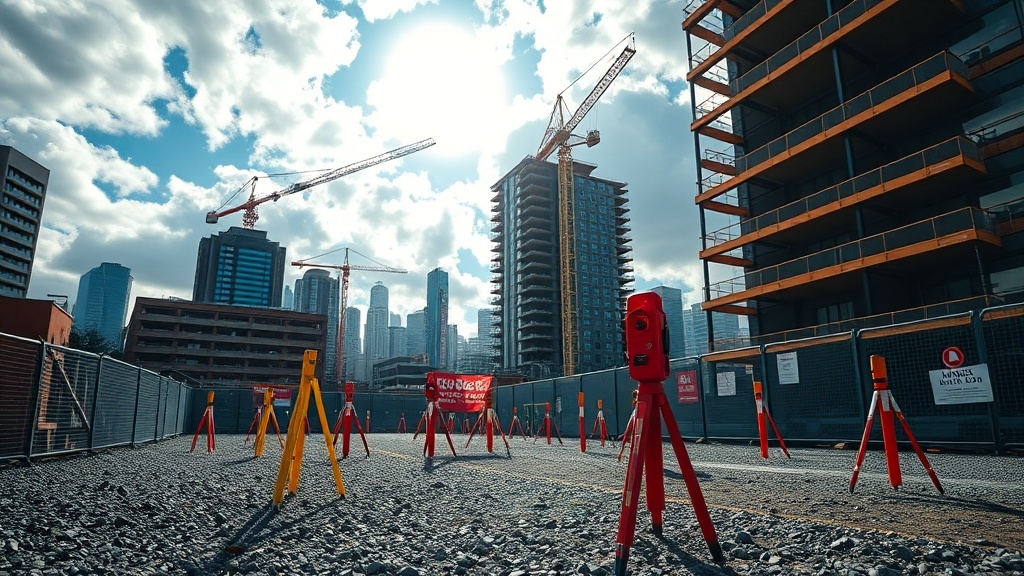
In this dynamic market, investors and planners face the challenge of integrating contemporary amenities. They must do so while respecting traditional architectural integrity.
Queens demonstrates the potential of marrying the past with the present. This approach satisfies diverse cultural and economic demands.
Assessment
In the vibrant tapestry of Queens’ real estate market, Jasmine House stands as a beacon of both artistic innovation and turbulent history.
While its vivid aesthetics captivate onlookers, the underlying tales of historic disputes and market contention add a layer of intrigue.
As the borough grapples with modernity’s pressures juxtaposed against heritage preservation, Jasmine House epitomizes this delicate balance.
Whether a cautionary tale or a celebrated landmark, its impact on Queens’ narrative is undeniable.











4 Responses
Honestly, isnt the Jasmine House just a flashy cover-up for a grim past? I mean, vibrant charm or historic dispute, you decide. #QueensSecrets
Isnt it odd how Jasmine Houses wild colors distract us from the dark history? Feels like a paint job on a rotten wall, no?
Sure, the Jasmine House has charm, but isnt it just an eyesore disrupting the Queens markets traditional aesthetic? Not all change is good, folks!
Love the unique style, but isnt the Jasmine Houses wild colors just a distraction from the dark history it hides? 🤔