What Raleigh Approved for North Hills (6–2 Vote)
A 6–2 Raleigh City Council vote on Tuesday, January 21, 2026, approved Kane Realty Corporation’s rezoning request for North Hills.
The decision followed a January 6 presentation after years of revisions. The rezoning allows buildings up to 37 stories.
Kane first filed in 2021 and withdrew a 2023 version.
Fractured Vote and Planning Signals
The council dynamics reflected competing readings of the master plan, with Council Member Mitchell Silver citing alignment with the land use map.
Council relied on a 7–1 Planning Commission recommendation, while Commissioner Tolulope Omokaiye dissented.
Crowded Hearing and Opposition Pressure
Public turnout exceeded 100.
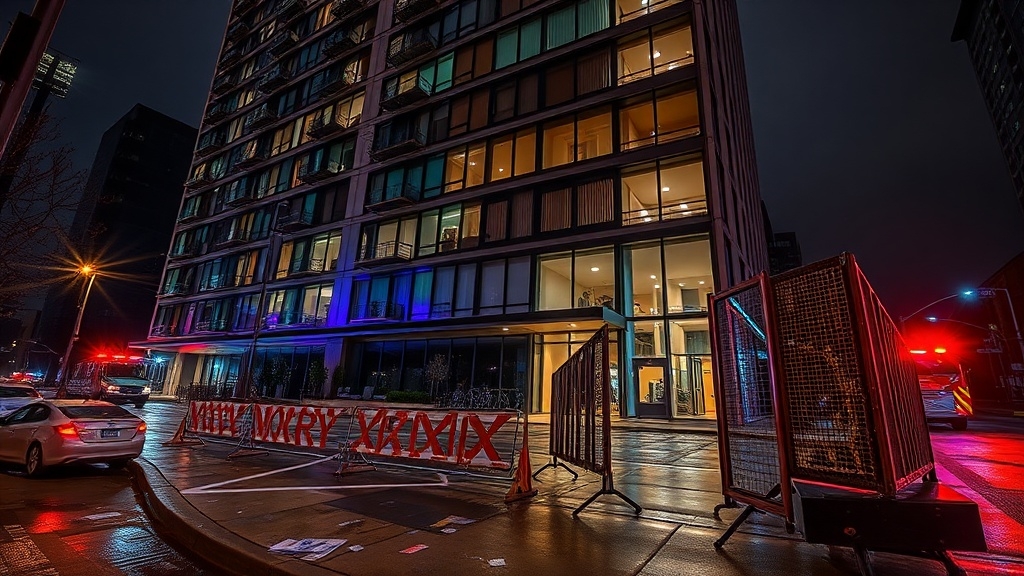
Some attendees in red held “No” signs, and residents warned about affordability and neighborhood impacts.
Silver reported over 300 emails split evenly, while speakers emphasized Rowan Street traffic congestion.
What the Rezoning Allows: Height, Density, Conditions
Although the rezoning keeps development inside defined caps, it authorizes a far taller and denser North Hills buildout than the prior 5- to 20-story zoning allowed. Opponents warn the plan could fuel an amenity arms race that erodes neighborhood character.
The core permits up to 37 stories, stepping down to 12 and 20 stories at the perimeter across four zoning districts.
City Council approval came after Kane Realty offered public-benefit contributions.
Height Limits
These caps aim to reduce contrast with nearby single-family neighborhoods.
Prior limits topped out at 20 stories.
Density and Conditions
Total development is capped at just under 3 million square feet.
This includes up to 2,521 homes and 1.67 million square feet of office and medical space.
Conditions add design guidelines and require stormwater infrastructure as environmental safeguards.
They also limit Rowan Street access and mandate open space.
The rezoning requires $500,000 for a fire station.
It also requires $40,000 per 1% of units for affordable housing.
Why the 37-Story Proposal Returned in 2024–2026
After years of stalled momentum, Turnbridge Equities moved the 37-story Highline Glenwood tower back to the forefront in 2024.
This shift came as demolition began at the historic Pine State Creamery site on Glenwood South.
The New York-based firm assembled 2.4 acres for $34.7 million.
It also preserved the 1928 Art Moderne structure.
Disruption Forces a Restart
Office setbacks from high rates and vacancies pushed emphasis to the residential phase.
Markets like downtown Cleveland, where 23.1% vacancy and negative absorption reflect severe oversupply, highlight why office-heavy projects have been forced to rethink timing and mix.
Plans targeted a late 2024 start for 306 units and shared parking.
Market Rebound and Investment Calculus
A market rebound in downtown living supported restarting work that had been years in the pipeline.
The investment calculus favored a permitted 37-story configuration at Glenwood Avenue and Tucker Street.
Meanwhile, the separate 20-story 404 Glenwood office tower remained unscheduled.
Biggest Impacts: Shadow, Traffic, Neighborhood Scale
When the 37-story Highline Glenwood proposal reentered Raleigh’s approval pipeline, the most immediate disruptions centered on shadow reach, daily traffic loads, and neighborhood scale compatibility. Critics focused on Rowan Street shadowing, road crowding, and setting a 37-story precedent. The dispute lands as Raleigh’s housing market shifts toward a balanced environment with about 5.7 months of housing supply.
Biggest Impacts
Planning commissioners cited no height buffer to adjacent low-rise homes and no documented shadow study. They raised concerns about livability and property values.
Residents projected thousands of added car trips on Six Forks and Lassiter Mill. They warned this could worsen Rowan Street congestion and pedestrian safety near driveways.
| Issue | Disruption |
|---|---|
| Shadow | Rowan Street sunlight loss |
| Traffic | Six Forks congestion, pedestrian safety |
| Scale | Out of scale near homes |
The rezoning spans nine parcels across four districts. It jumps past prior 5–20 story limits and clashes with the historic Creamery’s scale.
What Happens Next: Permits, Appeals, and Public Input
Because prior site work and infrastructure permits for 400 and 410 Glenwood Ave expired before construction began,
the project is now moving forward under a full resubmission and re-approval track.
Similar to stalled projects in California where zoning delays and infrastructure limitations have left sites vacant for years, this reset can add significant timing and compliance risk.
Permit Clock and Risk
Administrative Site Review approvals are valid for three years. The original 2021 approval expires October 12, 2025.
Building permits must be issued for the full project or for approved phases before work can proceed. This requirement applies despite demolition activity in January 2026.
A four-year completion requirement starts when the first permit is issued. Missing that deadline can void the approved site plan.
Appeals and Input Flashpoints
The rezoning to 40 stories remains in place. Neighborhood opponents are tracking the appeals timeline tied to upcoming permit decisions.
Enforcement
Enforcement tools include permit conditions and inspections. The city can also issue stop-work orders and void approvals if deadlines are missed.
Assessment
Raleigh’s North Hills rezoning has cleared a vote, but the 37-story proposal has revived opposition. Neighbors cite scale, shadows, and traffic as immediate quality-of-life risks.
The next phase shifts to site plan review, permit applications, and potential legal challenges tied to compliance with adopted conditions. Public meetings and administrative deadlines will shape the construction timeline.
Until approvals are final, financing and design remain exposed to delay, redesign, or near-term withdrawal.