How the Hale Building Could Add K Street Housing
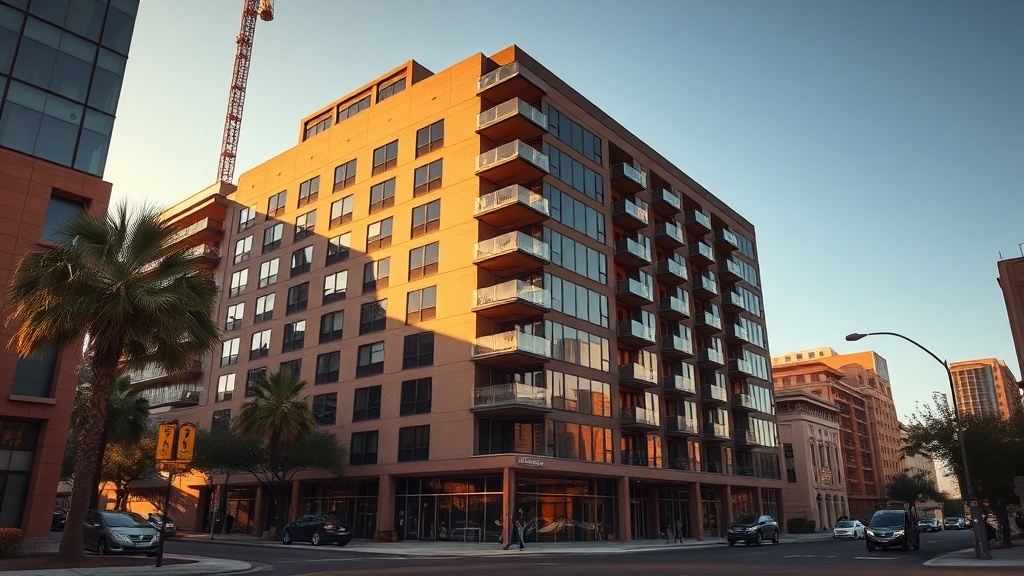
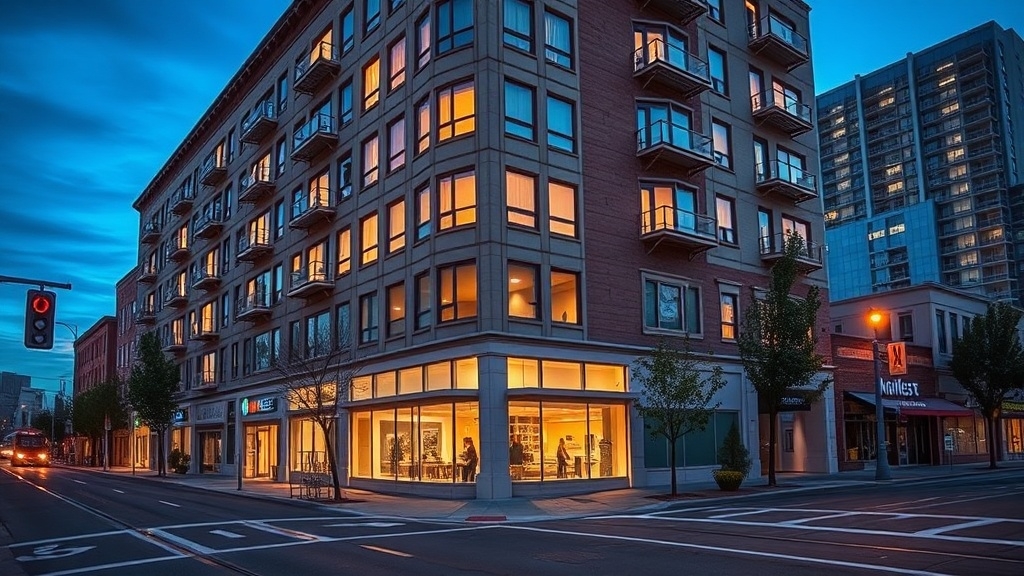
Rising at 825-831 K Street, the 1881 Hale Building is emerging as a leading adaptive-reuse candidate that could introduce new housing into a critical stretch of downtown Sacramento.
The three-story, 73,000-square-foot property offers exposed brick, high ceilings, renovated interiors, and 32 underground parking spaces. Those features support a historic conversion that can adapt existing space for residences while preserving character. The city’s 2025 request for proposals gives ground-floor priority to active commercial uses with housing envisioned above.
The City of Sacramento bought the building in August 2023 and is now marketing it for sale through JLL. Similar West Coast housing efforts are increasingly shaped by permit streamlining measures designed to speed residential approvals.
Its location between the SAFE Credit Union Convention Center and DOCO strengthens mixed-use redevelopment potential. Officials are seeking proposals centered on active ground-floor uses and feasible long-term plans.
That framework could pair upper-floor housing with neighborhood-serving retail and amenities such as community gardens, depending on final approvals and project design.
Why K Street Housing Matters Now
As Sacramento tries again to repair decades of failed K Street revival efforts, housing has emerged as the most credible tool for restoring consistent daily activity downtown.
K Street once functioned as a regional shopping center, but suburban flight and repeated single-purpose redevelopment efforts hollowed it out.
Current projects indicate a different strategy centered on residents rather than periodic visitors.
The Hardin’s 137 apartments, with 60% set aside for affordable access, were mostly pre-leased at opening.
Together with the planned 800 block apartments, the area could add about 500 residents near 8th and K.
That population density matters because steady foot traffic supports safer streets, early-morning commerce, and late-night continuity.
Officials and developers increasingly view housing as essential to mixed-use recovery, community cohesion, and a more durable downtown economy.
Seattle’s Birch Grove offers a parallel example of how community engagement and affordable housing planning can shape more durable urban recovery strategies.
What K Street Needs Beyond New Apartments
Beyond apartment counts, K Street’s recovery depends on what fills the ground floor and how consistently the district stays active from morning through late night.
Curated storefronts matter. Developers favor local retailers and restaurateurs, aiming for durable businesses over generic chains and percentage-rent strategies.
That approach, paired with community programming and transit access, helps convert new housing into a functioning neighborhood.
Hotel rooms, affordable units, and concentrated local businesses can reinforce a 24-7 street rhythm.
Local retail curation: Familiar places build belonging.
Affordable housing: More residents sustain daily life.
Community programming: Shared events reduce isolation.
Transit access: Easier arrivals widen participation.
Cross-block investment linking K and L streets strengthens continuity.
Partnerships on the 800 block extend momentum beyond one address and support a complete downtown district.
How K Street Lighting Supports Revitalization
Lighting has become a visible tool in K Street’s downtown recovery. More than 6,000 new LEDs now span six blocks between Golden 1 Center and the SAFE Credit Union Convention Center.
Mounted on more than three dozen poles, the computer-controlled system improves visibility for pedestrians and bicyclists.
It also reinforces CPTED principles.
Brighter sightlines support community safety. They make evening movement feel more predictable and secure.
Business Activity and Identity
The programmable installation also strengthens nighttime vibrancy. Better illumination encourages foot traffic and supports restaurants and shops.
It also makes walking, biking, and transit use more inviting after dark. Its marquee-style character reflects K Street’s historic theater identity while adding a modern visual layer.
Lights can shift colors for Kings games, celebrations, and seasonal events. This gives the corridor a changing personality.
At 2 a.m., bright white lighting signals closing time for bars and restaurants.
What Happens Next for Sacramento K Street Housing
Momentum now shifts from streetscape upgrades to project delivery, leasing, and adaptive reuse decisions. These next steps will determine whether K Street and nearby downtown districts add enough housing to support a broader recovery.
Hope Landing has 82 residents in place, with 40 units still leasing. Pardes begins move-ins June 6, 2025, while Care Campus readies 40 transitional beds under a TH-RRH model.
Pipeline Pressure Builds
Sakura advances toward early 2027 completion with 134 affordable all-electric units backed by state funding and service programming. The Hale Building on K Street remains a notable adaptive reuse prospect as housing conversion is evaluated.
Approvals elsewhere continue to expand supply, including 332 units in East Sacramento, 296 entitled units at 21K, and larger SKK proposals. Community engagement and zoning flexibilities will help shape timing, neighborhood acceptance, financing certainty, and long-term occupancy outcomes.
Assessment
Sacramento’s K Street housing push reflects a high-stakes effort to stabilize a corridor long marked by vacancy, weak foot traffic, and uneven recovery.
If the Hale Building advances, new residential units could strengthen daily activity downtown. But housing alone is unlikely to resolve deeper retail, safety, and infrastructure pressures.
The district’s trajectory will likely depend on whether redevelopment, lighting upgrades, and broader street-level improvements move forward in a coordinated and timely manner.