Migration Dynamics and Demographic Changes
The San Antonio metro area saw notable population growth between April 2020 and July 2023, primarily driven by domestic migration. This influx represented 59% of the metro’s growth, bringing approximately 121,000 newcomers from other states. The area’s growing appeal is backed by its reputation for affordability and robust amenities. These migration patterns have led to significant demographic shifts. The area now features a diverse age and origin profile, with a higher proportion of nonlocal residents. International migration also played a role, adding roughly 41,000 residents. This contributed to increased diversity within the metro area. El Paso’s strategic border location, with enhanced infrastructure upgrades supporting cross-border trade, could offer insights into San Antonio’s potential growth scenarios. The Hispanic population continues to rise, boosted by both migration and fertility rates. Meanwhile, growth in the Asian demographic, though starting from a smaller base, shows potential to become more prominent based on current trends.
Economic Challenges and Housing Market Trends
The economic terrain in San Antonio is rapidly shifting. This change is casting a shadow over the once buoyant housing market.
Various data sources highlight conflicting trends in housing prices. Some note a decrease, while others report modest gains.
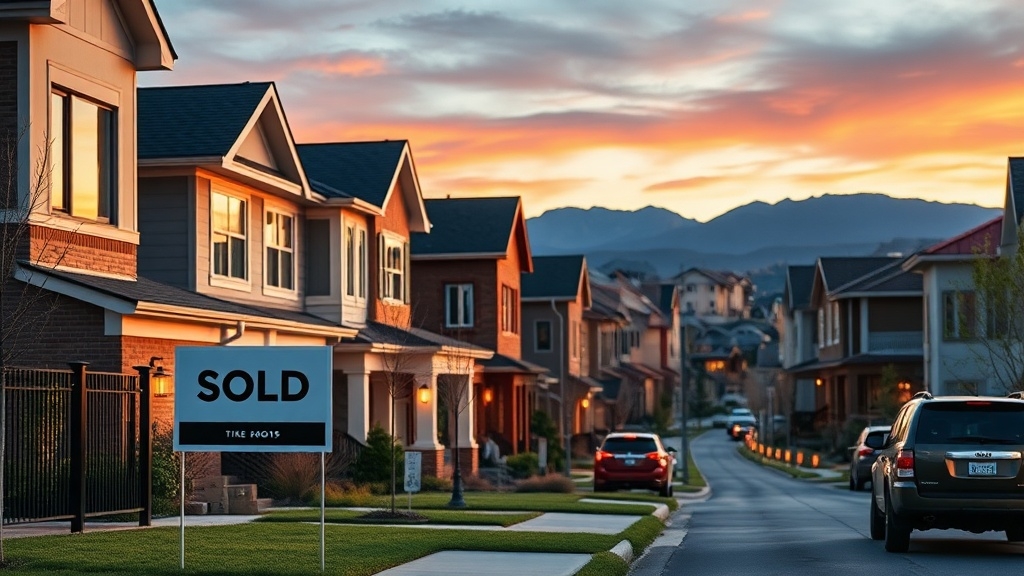
Zillow’s data reflects downward pressure, with a 3.2% decrease in average home value over the year.
Active listings and longer market stays indicate a cooling market. This exposes opportunities for strategic pricing and negotiation. In parallel, the affordability crisis endemic to the housing market exacerbates the challenges faced by potential buyers in this area.
Despite being among the most affordable Texas metros, rising mortgage rates of approximately 6–7% have diminished buyer urgency. As the rental demand is booming due to San Antonio’s affordability and a strong job market, the shift has redirected some demand towards the rental market.
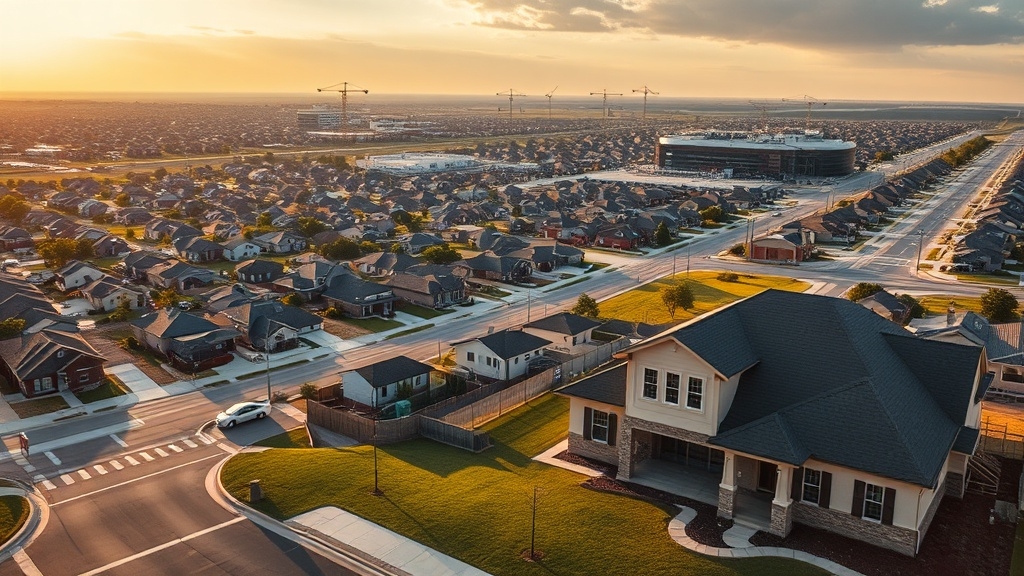
Simultaneously, a significant reduction in new construction suggests future supply limitations. These limitations could impact housing affordability further.
Social Indicators and Quality of Life Concerns
San Antonio’s evolving economic environment points to complex issues beyond just market statistics. These challenges shape the broader quality of life in the city.
The decline in neighborhood social capital has led to weaker community ties. This manifests in lower civic participation and volunteerism compared to peer metros.
Social trust is at risk. Concerns about safety and public disorder among residents have increased. This perception correlates with demographic fragmentation. Central and suburban communities experience disparities in civic engagement.
Moreover, underinvestment in community programs restricts social ties and resilience. Fewer funds are allocated to neighborhood centers and arts initiatives.
Limited public gathering spaces and a shortage of tree-lined streets curb opportunities for social interaction. This further undermines social cohesion amid a growing San Antonio exodus.
Assessment
The accelerated exodus from San Antonio signals pressing challenges for the metro area.
Population shifts underscore economic imbalances and escalating housing market pressures.
Stagnant wages and rising living costs amplify the struggle to retain residents.
These dynamics place strain on infrastructure and social systems.
Potentially, this could erode the quality of life.
Community and civic leaders must grapple with this trajectory.
They need to confront both immediate imperatives and long-term implications.
This is crucial to stabilize and sustain the city’s future.