
Key Takeaways
- $100 million in retail investment is transforming San Francisco’s Upper Fillmore, impacting historic sites and local businesses.
- Longtime neighborhood establishments are being displaced as real estate changes hands and rents rise.
- The transformation brings both new opportunities and significant risks for the area’s cultural and economic landscape.
Shifting Tides: What’s at Stake for Upper Fillmore
A $100 million flood of retail investment is sweeping through San Francisco’s iconic Upper Fillmore, shattering the fragile balance of its historic Clay Theater and the jazz-soaked legacy of the Fillmore District.
Venture capitalists, eyeing profit, buy up aging storefronts and force out staples like Ten-Ichi, leaving “empty shells” where vibrant culture once thrived.
Displacement, rising rents, and the eerie silence of shuttered cafés haunt the once-bustling sidewalks, demanding urgent attention from real estate stakeholders.
The full scale of this transformation—and the looming risks—awaits exploration.
Neighborhood Identity at Stake Amid Fillmore Revitalization
How quickly can the soul of a neighborhood vanish, replaced by sterile glass and empty storefronts? San Francisco’s Upper Fillmore faces this stark reality as $100 million pours in from venture capitalist Neil Mehta, igniting intense debate about the fate of the celebrated district.
Once bustling with family-run bakeries, jazz clubs, and local pride, the neighborhood has seen its spirit wane. Decades-old mosaics outside shuttered restaurants whisper of a vibrant past.
Now, with Mehta’s acquisition and plans for historic structures like the Clay Theater, the battle for art preservation intensifies.
Longstanding residents and business owners watch cautiously, knowing that preservation means more than restoration; it is a fight for identity. As part of his initiative, Mehta is overseeing property acquisitions and renovations through the newly established SF Reserve Foundation.
Property deals tie up vacant spaces, promising refreshed façades and enhanced storefronts. Some see hope that renewed investment will drive traffic to struggling businesses on Fillmore Street. Yet each transaction lands with a thud of uncertainty—who will return, and who will disappear forever?
The closure of Ten-Ichi Restaurant, a staple for 46 years, sent shockwaves through the community. Losses like this, often due to surging rents and changes in property control, expose the fragile bonds holding the neighborhood’s cultural fabric together.
The abrupt shuttering of Noosh after building ownership transferred underscores a chilling reality for other tenants. When rent doubles or a new landlord arrives, legacies vanish overnight.
Even familiar coffee chains sense the tide turning. The exit of Starbucks from 2222 Fillmore Street, a former gathering hub, leaves a void both literal and symbolic. Neighborhood slang captures the mood—empty shells where life once pulsed.
Critics call out the hazards of displacement masked as revitalization, pointing to the risk of cultural erasure in the name of progress.
For every closure, the revitalization project urges a counter-narrative, extending multi-year leases to stalwarts like La Méditerranée. Yet for every restaurant saved, another is left behind. Community engagement surges as residents press for transparency and assurances.
Town halls bristle with tension as voices demand protection for heritage, not just cosmetic improvements.
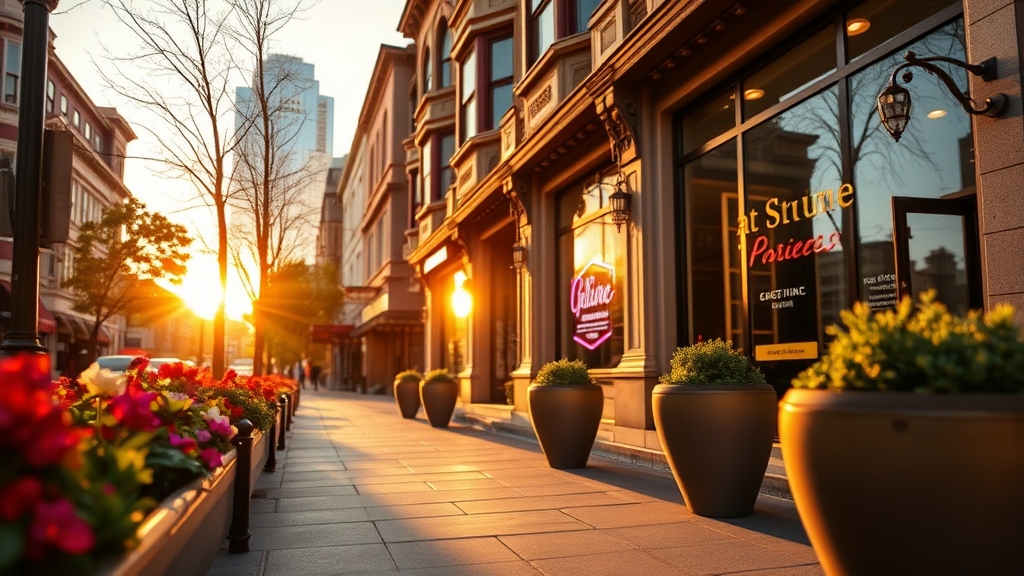
The restoration of historical monuments like the Clay Theater aims to inspire new interest and economic flow. Investors and planners tout infrastructural upgrades, beautified sidewalks, and improved street management as essential steps.
But amid revitalized bricks and fresh paint, a question lingers—can investment preserve the intangible qualities that define a place?
Mehta’s strategy excludes chain retailers, pledging support for local entrepreneurs. This approach appeals to real estate investors ardent to sidestep chains and back authentic urban revival.
It also signals a push to transform vacant, dilapidated spaces rather than uproot established shops—an idea that comforts some, while skepticism festers among others.
Gentrification and displacement still loom, haunting town hall conversations and social posts. The dynamics of art preservation and community engagement remain at the heart of this high-stakes gamble.
Upper Fillmore’s fate hangs in the balance, a neighborhood teetering between profitable renewal and irreversible loss.
Time is short for authentic voices to hold ground. The street’s soul, battered and beautiful, waits for its next chapter—one written as much by urgent investment as by the vigilant community determined not to be erased.
A strategic approach to tenant activism is crucial as corporate landlords wield significant influence over housing markets, often leading to diminished cash flow and opportunities for small investors.
Assessment
As investment floods into Upper Fillmore, you can almost feel the neighborhood’s character hanging in the balance.
The Painted Ladies and cherished storefronts face an uncertain future as rapid change shakes up the area.
With new development, there’s a real risk of climbing rents and vacancies, and longtime community members are speaking up. If investors overlook these challenges, they might see their promising stakes lose value.
It’s clear that in San Francisco’s fast-paced market, waiting on the sidelines isn’t an option.
To help preserve the heart of Upper Fillmore while embracing opportunity, now is the time for responsible engagement—don’t let hesitation cost you your place in this evolving story.










5 Responses
Interesting read, but isnt this revitalization just gentrification in disguise? Is the local culture at stake here for retail investment dollars? Just curious.
Is gentrification really revitalization? Seems like SFs Upper Fillmore is just being stripped of its character for big retail. What about the locals?
Hmm, $100M in retail investments, eh? But what about preserving local culture? San Frans charm is in its history, not another Starbucks! 🤷♂️
While I see the appeal of a $100M revamp, wont this just inflate prices and drive out long-term residents? Not cool, SF. #GentrificationAlert
Honestly, isnt this just another example of gentrification? What happens to the original character and charm of Upper Fillmore then? Just curious.