Key Takeaways
- Creative financing and short-term rentals can open doors for agents and investors to build lasting wealth.
- Mindset and education are the true foundations of success in investing.
- Building relationships and learning strategy-driven deal structures are essential for long-term financial growth.
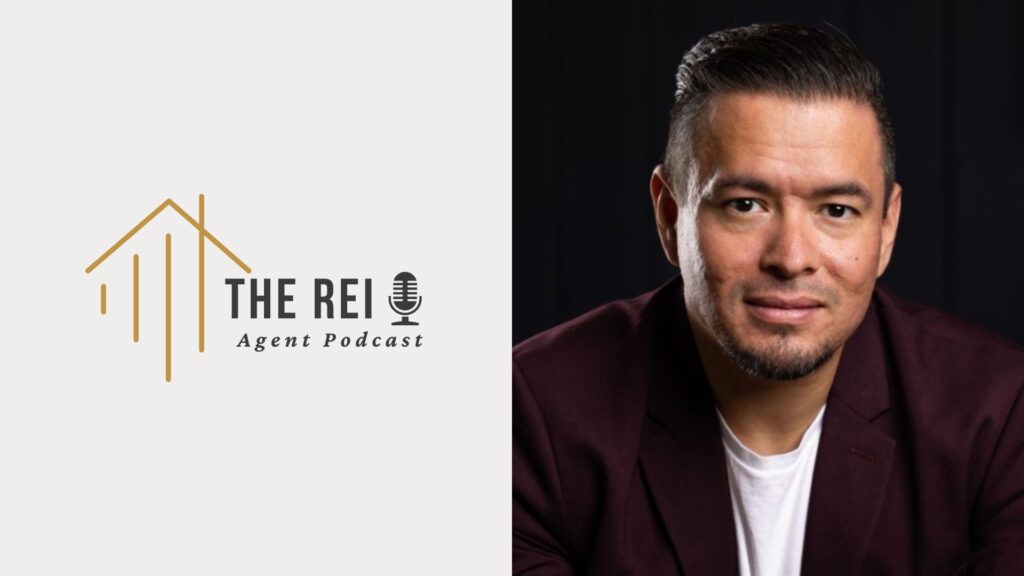
The REI Agent with Rafael Loza
Value-rich, The REI Agent podcast takes a holistic approach to life through real estate.
Hosted by Mattias Clymer, an agent and investor, alongside his wife Erica Clymer, a licensed therapist, the show features guests who strive to live bold and fulfilled lives through business and real estate investing.
You are personally invited to witness inspiring conversations with agents and investors who share their journeys, strategies, and wisdom.
Ready to level up and build the life you truly want?
Follow and subscribe to The REI Agent on social


Building Wealth Through Creative Vision
In this dynamic episode of The REI Agent Podcast, host Mattias Clymer sits down with visionary investor Rafael Loza, whose journey from rental arbitrage to multi-market real estate ownership is a masterclass in perseverance and creativity.
With over eight years of experience across short-term rentals, boutique hotels, and multifamily development, Rafael proves that with the right mindset, any obstacle can become an opportunity.
Starting from humble beginnings and armed with little more than determination, Rafael built his business from scratch.
“I had no money to my name, but I had the will to figure it out.”
What began as a single apartment lease turned into a thriving portfolio of 170 units, demonstrating how powerful education and execution can be when paired with vision.
Turning Agents Into Investors
Mattias and Rafael dive into one of the most overlooked opportunities in the industry, helping agents transition into investors.
Rafael explains how many agents miss out on wealth building simply because they do not understand how investors think.
“Most agents think like traditional salespeople, but the real opportunity lies in learning how investors structure deals.”
He breaks down practical strategies like seller financing, extended escrows, and creative deal structures that help both buyers and sellers win.
By learning these tools, agents can serve clients more effectively and also build their own investment portfolios.
“The agents who understand how to structure deals are the ones who truly change lives.”
Mastering the Short-Term Rental Game
Few people in the industry know short-term rentals like Rafael does. He built his empire through innovation, adaptability, and a deep understanding of market cycles.
He notes that while oversaturation has hit many Airbnb-heavy markets, luxury properties are still thriving.
“The high end properties are crushing it because their clients aren’t affected by market swings.”
Mattias explores how high income earners use short term rentals for strategic tax benefits, allowing them to offset W2 income through depreciation.
“It’s not about luck. It’s about understanding the strategy and knowing how to position yourself for opportunity.”
From Arbitrage to Ownership
Rafael’s introduction to real estate was not traditional. He did not have the capital to buy homes, so he turned to what he could control, creativity.
After discovering Airbnb in 2016, he began leasing apartments, furnishing them, and renting them for short stays.
“I started with five thousand dollars and a credit card my brother lent me.”
What followed was nothing short of remarkable.
Within months, he scaled to multiple units, and within years, he managed an empire of over seventy properties across several states.
Even during COVID, when the market crashed and units sat empty, Rafael found ways to adapt, negotiate, and rebuild.
“When my back’s against the wall, that’s when I work best.”
The Mindset Behind the Millionaire
When asked what separates successful investors from the rest, Rafael does not hesitate.
It is mindset.
He credits books like The Gap and the Gain and Principles by Ray Dalio for helping him maintain perspective during both highs and lows.
“You have to remind yourself to appreciate how far you’ve come, not just how far you have to go.”
He also draws inspiration from Naval Ravikant, whose timeless advice guides his approach to growth.
“Read everything and anything until you love to read.”
Rafael emphasizes that curiosity and lifelong learning are the true cornerstones of progress for anyone serious about success.
Creating Real Value Through Knowledge
One of Rafael’s strongest messages is about the power of education.
He reminds agents and investors alike that understanding tax advantages, deal structures, and market behavior is not optional; it is essential.
“Find a CPA that actually understands real estate. I’ve talked to eight different ones, and they all had different advice.”
His call to action for agents is clear, go beyond surface level transactions.
Learn what makes deals work, what motivates sellers, and how to provide true value.
“Real estate is all about relationships and strategy. Learn the strategies that benefit you and your clients, and you’ll never struggle to find opportunity.”
The Golden Nugget
Before wrapping up, Rafael shares his biggest takeaway for real estate professionals: be proactive.
“Don’t just wait for listings to fall in your lap. Build relationships, learn creative strategies, and understand how to make deals work for everyone involved.”
His passion for collaboration and problem solving reveals the mindset that separates top performers from the rest.
A Journey Worth Following
Today, Rafael continues to share his expertise on platforms like YouTube, Instagram, and Facebook, teaching others how to structure deals and build wealth.
He is a living example of what happens when drive meets discipline and when purpose replaces fear.
As Mattias closes the episode, one message rings clear: success in real estate is not about timing or luck. It is about vision, relationships, and a relentless commitment to growth.
Finding Purpose in Every Property
Rafael Loza’s journey from renting small apartments to owning hotels is a reminder that greatness begins with courage.
“Be open to growth, be willing to adapt, and always believe you can.”
His story proves that real estate is not just about money; it is about freedom, creativity, and the power to transform your life, one property at a time.
Stay tuned for more inspiring stories on The REI Agent podcast, your go-to source for insights, inspiration, and strategies from top agents and investors who are living their best lives through real estate.
For more content and episodes, visit reiagent.com.
Articles Related to The REI Agent
- 10 Shocking Truths From the 2025 Global Housing Storm (And How Agents and Investors Can Thrive Through It)
- Shocking Balance Before Wealth (How Erica Clymer’s Holistic Practices Help Agents and Investors Thrive in Global Housing)
- Global Housing Storm (Holistic Solutions to Million-Dollar Dreams, Desperate Sellers, Rising Rents, and Shifting Wealth)
- Top 20 Terrifying Reasons Agents Will Never Be Investors (And How to Fix It)
- 10 Ways to Kill Real Estate Agent Burnout in 2025 (The Holistic Fix)
- Mattias Clymer is Silently Leading a $70M Movement That’s Changing Agent Lives
- Therapy You Didn’t Know You Needed (Holistic Wisdom for Real Estate Professionals)
- From For Sale Signs to Life Design (How The REI Agent Transforms Real Estate Into Holistic Wealth)
- Achieving Holistic Wealth and Success Through Real Estate (Insights from The REI Agent)
- Partnering with Investors (How Real Estate Agents Can Exponentially Maximize Profits)


Mentioned References
Transcript
[Mattias]
You do and what you’re all about in the real estate space.
[Rafael Loza]
Yeah, man. So I pretty much have known for short term rentals, hospitality. That’s kind of where the content that I put out to the world is the short term rental stuff.
But I’ve been a real estate investor for about eight years. I started with doing rental arbitrage. So basically renting out apartments, furnishing them and then, you know, renting them out on Airbnb, furnished and making a spread and profit.
I did really well on that scale, that business significantly to about 170 units. And then there I took that cash flow and just started actually going into real estate. I’ve done long term rentals, midterm rentals, short term rentals, multifamily boutique hotels, development.
I mean, pretty much anything creative finance, anything you can think of in the real estate space. My expertise now is putting deals together. I love putting deals together with good people, partnering with good people, and primarily focused around short term rentals is still my bread and butter.
But I mean, anything, anything real estate, man, excites me. So I’m kind of excited to be on this podcast, actually, because one of the biggest things and forgive me if this comes off the wrong way, but I know you primarily set your focus around agents and teaching them to invest. And I love talking to real estate agents that don’t have the experience with investors because it’s always a good teaching lesson.
So I’m kind of excited to go over some of these things that or maybe some tips and tricks that some agents out there could take and apply things like pitching creative finance or pitching long, simple little things that a lot of agents out there don’t know to help an investor or for them to move into an investing world away from just selling and acquiring properties for people.
[Mattias]
You know, that’s definitely another benefit of this podcast is it can be kind of a bridge. It’s like two different worlds. I don’t know if it’s just wholesale retail, if that’s the way to describe it, but it’s definitely two different worlds.
And I think that often agents have kind of I mean, I think it can go both ways. I think there can be like kind of bad blood between the two a little bit like it might like, you know, like agents might see investors as wasting their time because they’re talking about things like, you know, seller financing and they’re like, if they can’t get it financing from the bank, why would the seller want to do this? And so I think it’s really good to have these conversations and to kind of open, open people’s minds and help people understand.
And at the same time, I think it’s also, you know, there probably would be some good questions that an agent could ask an investor to see how experienced they are, how, you know, like to vet them a little bit as well to see like, because I think there probably are some people that have never done anything that have listened to a thousand BiggerPockets podcasts and may not actually ever take action, but want to talk about it a lot.
So tell us a little bit, let’s just get right into that. I mean, tell us a little bit about what you like to teach agents when you come across some that aren’t, you know, as investor friendly, haven’t been in that space much.
[Rafael Loza]
Well, you know, it’s, you know, man, it’s a tough, I don’t want to say it’s a tough question to answer, but it depends specifically on the person that I’m dealing with. Typically when I, when I work with an agent, you know, primarily it’s, Hey, they’re going to get you under contract to either sell your home or to help you find a home. Right.
I go more of a direct approach typically. So I have a handful of agents that I work with that are, that I’ve kind of, I don’t want to say molded, but we’ve worked together so long to where they understand where I’m coming from with specific details or needs to acquire specific property. But the biggest thing is every property is different.
And when you go to acquire a property, the strategy sometimes could be very different than your typical conventional offer, where you’re going to offer something closing 30 days, go through an escrow process. Right. I’ll give you a perfect example right now.
So I’m working with the realtor and I say, I go about it differently because I actually went directly to the seller’s agent instead of getting my buyer’s agent to reach out to him. And I’m like, Hey dude, listen, I’m working. I wanted to call you directly because I’m going to go about this a little bit different than what you’re probably used to.
How familiar are you with dealing with investors? And he’s like, Oh, I’ve dealt with a few investors. I said, Oh, even better.
Perfect. So here’s what I want to offer. I’m looking at a property.
Actually, this was a piece of land. I’m looking for this specific plot of land. You’re the seller agent.
And I want to see if we can either do a seller finance on a 12 month note, or we can do a six month escrow to be able to close on it in six months once I acquire the construction loan. And the guy was like, well, I guess, why would you need a six month escrow? Or why would you need to do a seller finance?
I said, well, preferably I’d like to do a six month escrow because then I don’t have to do two closings, right? Seller finances have to close, go into escrow, title fees, all that stuff. But if you do a six month escrow, I can put a larger amount of EMD down.
Let’s just say something like 10% down. And the reason why I would need six months escrow is because then I can go and go through the entire process that I need to make sure that I can build on this lot, right? And then acquire a construction loan.
And at the time of the construction loan, I close on the land and I close on the construction loan, as opposed to getting a loan for your land and then having to go and get a second loan. And a lot of these lenders obviously always make a big deal about these things, right? You can’t get a loan behind a loan on a piece of land.
And so when you explain that stuff, anyway, long story short, I went through this whole process with this guy and he was still confused, right? So he’s like, just write up the offer. So I wrote up the offer and he sent it in and they came back with like some crazy, ridiculous counter offer.
And so I’m like, Hey dude, listen, I think there might be some sort of misunderstanding as to why I want to do this. Let me re-explain it. So I sat down, we explained it again.
And this was a really simple, right? I mean, just six month escrow, like there’s not a lot of, it’s not like I’m asking for some crazy seller finance terms. Anyway, long story short, we got the offer accepted because I was able to, the realtor was able to understand where I was coming from, what were the needs that I needed.
Then he was able to take that knowledge and explain it to the seller and go, look, this is what they’re doing. This is why they’re doing it. This is how they’re doing it.
And this is how they’re going to close in the six months, right? The biggest fear usually for these types of loans, and I’m talking about this one specifically, or these types of contracts is they think that we’re not going to close in six months and we’ll back out. So typically what I’ll do is I’ll do something like a non-refundable EMV after the contingency period, right?
So like on a 21 day, look, if we fall out, you keep 20 grand, you’re done, right? Anyway, long story short, that’s one of the reasons. I don’t know if that kind of gives you an understanding of where I’m coming from.
I mean, a bunch of other ones I can relate to.
[Mattias]
Well, yeah, no, I think, I think maybe this is a highlight of some of the differences between investing space and retail space. It’s often an investor is talking directly with an owner. They’re talking directly with the owner and they are, if they’re good, they are looking, they’re trying to figure out exactly what is important, what that seller needs in a deal.
And then they have their knowledge and apply it of all the different ways the deal could be structured to then be a very good win-win for both parties. And so this is where like, you know, you know, seller financing could be a really good opportunity for both parties where if somebody doesn’t want to take the capital gains hit right away and they want to, you know, break that down into the seller payments or the owner, the seller financing payments every year, that’s, that’s one way that you can really benefit a seller. And if you don’t understand that as an agent, I think oftentimes when seller financing comes up, it’s people are thinking, well, it’s because this person can’t actually get financing.
So like, you know, why am I going to bother with this person? They can’t even go to a bank and buy this property. But again, there’s so many different factors.
I mean, you can, you can, there’s so many different levers you can pull when you understand this stuff. Like you can, you could overpay for the property with the right terms. Like it could, you know, if the interest rate is less or you could even have a 0% interest rate if you bake it into the purchase price.
And if the seller only cares about the purchase price and they want that ego stroke, whatever, of selling it for that much money, even though it’s not worth it, that’s possible. There’s a way to make it work. And so I think that’s where, you know, having a really good understanding of the whole picture, it can be missed in an arm’s length transaction where you have two agents representing other, other sides, and maybe they aren’t too busy to really talk to each other well or fully understand their, their client’s perspectives and what their needs are.
And, or just don’t really understand that there’s different ways of doing things.
[Rafael Loza]
Yeah. I mean, I’ll give you another example and it’s funny you say this, but the biggest thing that I run into is typically agents. They just either don’t want to deal with something that they’re not familiar with because they think it’s not either not going to close, they won’t get paid the commission or something along those lines.
I had, I called one in Southern California and I’m like, Hey man, uh, you know, just again, I’m calling you directly cause I want to explain what I, what I’m going to do. And the, and the guy stops and he’s like, he starts laughing and he goes, why don’t you just have your buyer’s agent call me and I can deal with them directly. And I’m like, Oh God, I know where that’s going to go.
Right. It’s going to be like an instant, like all the, all the, so I did, and it’s funny. So in my head, I’m like, okay, well, this guy’s not going to want to either consider what I’m going to offer or he doesn’t want to deal with it.
So we sent him the offer and sure enough, they’re like, why would we even consider showing this to our sellers? And I’m like, well, that’s why I tried to get you on the phone to explain the situation. And you said no.
And so now my agents over here trying to explain it to them, you know, my buyer’s agents trying to explain it to them. And um, anyway, long story short, we ended up not acquiring that property because it went nowhere. But you know, the biggest thing that I, that I run into is, is a lot of, a lot of agents that again, don’t understand the process or they think that the process is incorrect or they think that it’s not in the best interest of their seller without, or they just don’t know how they’re going to benefit from it.
Right. So there’s a lot of different ways that you can close on a deal. Just like you said, I guess you just have to be kind of open to understanding and learning.
So, so even to give you an example, dude, for the short term rentals, like now specifically, I only work with the realtors that are versed in short term rentals and there’s a pocket of really good ones out there because number one, they’ll know exactly the best use case for an investor to try to either get like a, like the short term rental tax loophole that people can get. Right. Um, if they go and buy a short term rental as an investor, offset their W2 income type of situation.
And a lot of realtors out there don’t know about it.
[Mattias]
Yeah.
[Rafael Loza]
And so it’s like when you, when you talk to a realtor that understands either some sort of tax law, some sort of short term rental, they understand how to underwrite a property. They know what the possibility of a property, uh, in terms of the revenue it’ll generate. Dude, those people are great because it just, those realtors are great because it cuts, it cuts the timeline of acquisitions on a property to like literally this, right.
You can go for months looking and these guys just, they drop it on your lap and they go, Hey dude, these are the properties I have. And this is what we think it’s going to make. And I’m like, oh man, this is great.
Yeah. And you start a conversation.
[Mattias]
Yeah. I think, I think what you just hinted at is probably the biggest opportunity. Um, right now in the Airbnb space.
Um, and I, and I think we could, we could get into this too. I don’t know how many different markets you’re in, in Airbnbs, but we all know that there was a huge flood of interest in Airbnbs over COVID, uh, both in, I would say that people wanting to stay in them, uh, if they weren’t traveling as much internationally, et cetera, they might want to go to the local resort close by to them or something instead. Um, and, and then also just investors buying into them.
And so I think a lot of people bought Airbnbs, um, in, in with analysis numbers with figures from before this boom happened. Um, and then they realized that they weren’t going to be able to get that pretty quickly. Um, and, and so at this current state, there could be some markets that are hurting pretty bad from, um, this oversaturation of Airbnbs, maybe less stays in general.
Um, with all that being said, and I want you to answer that question. I’m sorry for making this such a long winded question here, but I think there’s also that opportunity still, uh, for somebody who is a high income producing or high income, um, earner, doctor, whatever, that they could use that tax loophole that you talked about and offset their taxable income with an Airbnb. So if you are in a situation where you need to sell an Airbnb, um, there is that buyer out there still that maybe not need to make as much money on the cashflow, but they have huge incentives from the tax benefits, a tax write off.
So, but yeah.
[Rafael Loza]
So yeah, there’s multiple things that you brought up there, right? So dude, I’m in, I’m in, I don’t know, like nine different markets across the U S some really heavy short term rentals, some that I’ve just found that generate good cashflow. And, um, they’re all different.
So the big ones that got really heard are the ones that everybody jumped into, right? Like the Smokies, that’s like hands down, one of the worst that you can jump into. And I’m not, I don’t want to make it sound like I’m talking about on it.
And I know because I’m in that market, right? Um, what, after the COVID boom where everybody was just pumping cash out right for short term rentals, a lot of people wanted to bought those. Well, now that everything’s kind of stabilized, the, the revenue that people are seeing is down.
I mean like across any market right now is about 18%, 22% now from what I’m seeing. And that’s, I mean, dude, I’ve seen properties even in Mexico, right? Like in some really beach towns that are down about 20%.
Well, it’s just, that’s just the way the market is right now. Um, it’s a cycle, right? And so the, the people that got in at that time with the really high interest rates or the really high payments or the really high purchase price, they’re either in a spot right now where they have to pump more money into the property to really make it stand out in order to continue getting that revenue or they’re having to off offload it at a discount.
Now that does two things. Number one, you, if you step up and you put money into the property and you really make yourself stand out, you’re going to continue just fine. Number two, the person that’s trying to come into the, into the industry right now, if you do it right in the right market, you can get a very nicely discounted property that will still generate income knowing that you have to put money into that specific property, right?
You’re not just going to buy it and expect it to start making money. Um, and so for, as a matter of fact, for the high income earner that needs some sort of tax write off that can offset a W-2, we just sold one right now for 1.8 to somebody exactly doing that. Right.
And this was a ultra luxury property, ground up development. Um, we actually sold it right before we even completed the construction because they were in the market. And a business partner of mine has a bunch of these high end luxury properties and he’s like, Hey dude, I just sold one for like a really significant amount.
And I’m like, Holy cow. And so I’m like, let’s just, let’s just start talking to people and put, put ours up. Right.
And, uh, one of my other business partners, a really good friend of mine, he raises capital. He’s raised about 30 million or something this year. And so I’m like, Hey dude, I was like, we have these properties.
Why don’t you come in? I mean, this is how you raise capital. He raises capital with, by taking income from really high income earners, doctors, like you said, and they’ll invest it into properties where they can offset their W-2 or into other different types of tax strategies.
Anyway, long story short, again, I don’t want to keep them, keep these answers long winded, but somebody that makes a certain amount of money can go into a specific market and buy something that’s really, that really stands out. And now I talk about this a lot, but the, the people that are doing really well in the short-term rental space are the luxury high-end properties that are attracting the type of customers that aren’t affected by current market conditions. And the best way to say that is people that just have money that aren’t affected and that can spend money and they’re booking, or there’s people that are trapped and they’re booking high-end properties or paying the high nightly rates, or it’s a group of people.
So if you’re traveling, for example, you travel with six of your friends, you go and get, you know, a six bedroom home and you can, you can book something significantly more expensive, but it saves you guys all the money, more money because you’re booking together right as a group. And so these big properties and these high-end luxury properties are the ones that are really just not being affected. As a matter of fact, we’re seeing an income and I’m in both markets.
I’m in the budget friendly and I’m in the high-end type of property. So again, I’m speaking from experience here. And so in the really high-end properties, we’re actually seeing an increase in revenue currently, as opposed to my low-end.
I’m in some properties that are beating me up, right? I’m like getting wrecked again, because I just, I haven’t put in amenities or I don’t want to invest more money into them or they’re in a market where I’m just kind of like, okay, eventually this market will turn. But then those other high end properties are really pumping cash out.
So the, the high net worth individual that has a couple hundred grand that they need to write off in W-2 income can go and buy a property. Now there’s a lot of, I don’t, you know, not financial advice here guys, but you know, there’s a lot of little details that have to be matched in order to offset that W-2. One of them is, for example, you have to manage it for over a hundred hours in one year’s time, more than everybody else on the, in the business or more than your cleaners, you have to put in more hours, things like that.
And we can talk about all that if you want, but those people can go and acquire a really large property. For example, the one which is sold for 1.8 and then they do a cost seg on that type of property and they’re saving. I mean, I did one last year and I saved around 260K in taxes, which is kind of insane.
You know what I mean?
[Mattias]
So. Yeah. And then on top of that, my understanding is that that can roll over as well.
So like, if you’re not able to realize all that savings, you can, you can roll it over to the next year. So it’s, it’s can be a really powerful thing in this market with a hundred percent depreciation being back. The, yeah.
And, and yeah, you do have to put the time in. So that’s definitely a factor there as well. Is it, do you know if it’s a spouse, if it’s able to be a spouse as well?
[Rafael Loza]
Yeah. So it actually can be a spouse. So if you’re married, your spouse can be the one documenting the management of a hundred hours and you’re, you’re fine.
It’ll, it’s either one or the other. Now, if you’re single, it’s gotta be you, but if you have a, if you’re married, your spouse can totally do it for you. We’ve noticed that the, the, the couples that are married, their spouse is always the one documenting the time.
You know, like there’s certain things you can document too. Not everything’s counted towards management.
[Mattias]
Yeah. And I think, I think that was one of the reasons that a lot of stereotypes of who realtors were or are is the spouses of a dentist, the spouses of a, of an agent. And this is getting into being a real estate professional designation, which is essentially kind of what this loophole is allowing people to get into that space.
So like if, if they are not a real estate professional, they’re not a full-time investor, that’s not where all their money’s coming from. They’re not a full-time agent where all their money’s coming from that. They have a W2, they’re able to kind of tap into this world that we are in by doing this short-term rental thing.
And, and if you’re just an, if you’re an agent and you’re considering it, not that a short-term rental isn’t a good option, it could still be a good option, but you don’t need to do a short-term rental. You can just do a regular investment. It can be a long-term lease.
It can be a multifamily. You can invest in a syndication and have basically somebody else do everything for you and reap the benefits of that cost seg that they do. And just, just to example, give you an example of what I’ve done, and I might’ve gotten lucky, but I invested in a syndication, $50,000 into a syndication.
And the first year I was able to write off $66,000 off my taxable income, which is a great ratio, right? And then I was able to, on top of that, you know, get like, I think it was like 11% return on my investment just from dividends. So second year was another 16,000.
I don’t know what the third year is going to be. We’ll see. But, but that’s the, if you don’t, this is another thing that like, you know, crossing this bridge between investors and agents can help people understand like the power of like, you know, all the opportunities that are out there.
Like, I mean, this is a huge game changer and you should be meeting with accountants to verify this information and all that kind of stuff. But, but know that it is there and people aren’t just going to tell you about it necessarily. You kind of have to go out and figure this stuff out.
[Rafael Loza]
You know, you brought up a bunch of good points. Number one, for everybody listening to this, if they’re still listening to this point right now, right? Find a CPA that’s familiar with real estate laws.
That’s the biggest one I’ve talked to. I mean, dude, I’ve gone through no joke, like eight CPAs and I’ve heard, I’ve pitched the same strategy and every single one has given me something different, right? And so everybody’s going to give you advice.
All the CPAs will give you advice based on their knowledge, right? So I would suggest talk to multiple experienced in real estate before you go and do any of this. Any tax write-off has to have a basis behind it.
What’s the basis that you can say, Hey, what’s the justification of how you got that write-off in order for it to make sense in the eyes of the IRS? Because again, look, none of this matters unless you get audited, right? Which however, we should also be doing it correctly, right?
Like I’m not saying go and do it without like, don’t do it. If there’s no basis or justification behind any tax strategy, you need to make sure that it’s there before you go and do it. Second part for the agents, the biggest opportunity, if I was a real estate agent, dude, right now, the biggest opportunity that I would do is I would start learning the benefits of how you can number one, acquire under contract, these large properties that you can offload, but educate yourself on how you can benefit a buyer or how a buyer can benefit, I’m sorry, not how the buyer can benefit from you bringing them this property, right? All the agents that I know that are crushing it, most of these guys have pocket listings that never hit the market because they have a buyer’s pool and they know what that buyer pool is looking for and it’s either high net worth individuals and when the time comes when they’re like, Hey dude, you know, I have this much money.
These agents know the tax laws and they’re like, Hey, I’ll go find you a property right now for 2 million bucks. That will generate revenue or at the very least break even, right? So you’re not losing money.
You’re not putting money into this property, but you can write off 300, 200, 100, 500, doesn’t matter, K worth of taxable income. Instead of you paying that money to the IRS, you own an asset that’s going to appreciate over time. You wrote off all this money and you as the agent took it to them, right?
Like that’s a huge advantage if you understand those things.
[Mattias]
Yeah, a hundred percent. I, um, I was talking to a former client, friend, et cetera, who was a physician and was explaining this to them and, and it’s just, you know, they didn’t really understand that fully. And, and, you know, now I have won that business from that person for a long time because I I’m seeing more than just like a facilitator, a door opener, you know, I’m like a trusted advisor that can actually, um, bring them a ton of value.
Um, so yeah, it’s such a, yeah. I mean, obviously education is important, but, uh, for some reason this side of things still isn’t always seem like something that people should learn, um, in, in real estate sales. Yeah.
Tell me a little bit about the arbitrage thing. So, um, if people aren’t familiar with that, uh, yeah, just kind of break that down a little bit and why, and your approach when you’re talking to the, the, the landlords, et cetera, when you’re, when you’re looking at getting that done.
[Rafael Loza]
Yeah. You know, when I, when I started, um, wanting to invest in real estate, my idea was that I was just going to go and buy a property in Southern California, put a tenant in it, right. Listening to bigger pockets, right.
Buy the rental, put a long-term tenant, you’ll cash flow above without all the stuff that, that, you know, um, that’s how I started listening to bigger pockets. And, uh, you know, uh, when I started looking for the property, I quickly realized that Southern California, you’re looking at 450, 500 K. Like I’m not going to cash flow with the current rent at that time.
Like I actually would be negative cashflow. So I’m like, well, there goes that, right. Like my real estate investing journey is over.
And so I’m like, okay, I’m going to get into wholesaling. Right. So like the next thing, right.
So, uh, especially at that time. So I had just left my, I used to have a collection agency. I had left that.
I was like, I’m done with that. I took, I think I had like 20 grand on my name. Um, use that to, for my living as I was trying to figure out what the next thing was.
Got a W2 at a casino, ran through all my money and, uh, uh, was all kind of heartbroken about, Hey, I’m not going to actually be able to go buy a property anymore. Um, I didn’t even have enough for the down payment to begin with. So I’m doing research and that’s when I kind of found out about Airbnb.
Again, listening, educating myself, talking to people. I, two guys, I don’t even remember where we met or how we talked, but they were like, Hey, these guys, you know, they pull up in a Ferrari or something and they’re like, what are you doing? They’re like, Oh, well we have a bunch of units or Airbnb apartments on Airbnb in a building.
And I’m like, what? Like, that’s a thing you could do that. And they’re like, well, you know, we’re doing it.
Like if we get caught, we’ll just leave the building. And I’m like, well, that’s not a very sustainable business model. Um, at the same time I learned about short term rentals and I’m like, wait a second, short term rentals is just Airbnb.
Airbnb is just a marketing platform. So I’m like, how can I make this a legit business? So, um, I’m like, I’m going to start calling apartments and see if I can actually do this myself.
Dude, it took me about six months of just a bunch of nos, right? Because I don’t know how to pitch it. Or did I know how to say it?
Then I found a guy that was teaching business systems and I was like my first little mastermind that I joined. And, um, I think it cost me like 600 bucks for like a set of videos at that time. This was back in early 2017, I think late 2016.
And, um, I’m like, okay, so I can actually convert this thing into an actual model. Uh, I set up an appointment at an apartment complex and I’m like, Hey, listen, my name’s Rafa. I’m with night and rain properties.
I run a short term rental, um, corporate housing company, and I’m looking to expand in your area. Uh, the way I work is we go and we lease it from you through my company. We lease it longterm, we get it furnished, and then we provide it for people who come either for business or leisure in this market.
And we provide it to them as a short term, uh, fully, fully furnished, uh, accommodations. We provide everything that they need. Would you, would you guys be open to that in, in, in your complex?
And she’s like, she’s like, look, man, she’s like, we, uh, we’re going through a big rehab right now. Uh, can you pay the rent? And I’m like, yeah, I can pay the rent.
She’s like, well, why don’t you come by and take a look at it? I’m like, sure. So I go into this apartment complex.
It was 120 units, I believe. And 60 of them were vacant. They were going through a big overhaul of like remodeling this thing.
So I’m like, Oh my gosh, I hit the, I mean, I got lucky. I hit the jackpot on that building because number one, they had a need that I was able to solve, which was to lease out apartments ASAP. Number two, um, they didn’t understand the model.
So I was able to explain it to them from day one and three when they saw how well I did. I mean, they were just throwing apartments at me. They’re like, Hey dude, take more, take more, take more.
And I’m like, okay, great. So I ended up getting a two bedroom apartment. We got it furnished.
It cost me, I had no money at that point, dude, I have five grand to my name. So I called my brother. I’m like, Hey dude, I was like, I got this great business idea.
He’s like, I got a credit card. He let me borrow a credit card, which is funny. I just did a Facebook post about how I’ve been raising capital from day one.
I never even thought about it, but, uh, I borrowed money. And, uh, so he lets me borrow this credit card for nine grand. I pay for all the furniture on it.
The five grand went for the first month’s rent and the deposit, uh, two weeks into this thing. It took two weeks to furnish two weeks later of operations. I make six grand in revenue.
Then the second month of the full, the following month, the first full month of operations, I made six grand in profit. And I’m like, Holy cow, this is a real thing. Now, mind you, this was before Airbnb was all over, right?
It was, people didn’t know about it. It wasn’t as popular. Um, so fast forward nine months later, I, I scaled it.
I started talking to other, other apartment complexes, same pitch. Then I started working more directly with investors that own buildings. And so, uh, I had about 18 at one point and then 27, something like that.
And then COVID hits and I’m like, Oh crap. I went from like 76 KM projected revenue to like $700. And I had like 50 grand in rents I had to pay.
So, you know, the whole world’s like blowing up on me. Um, long story short, I ended up closing. I negotiated a bunch of deferments on payments with some of these landlords that I had a really good relationship with.
But a lot of them ended up closing down, not in my own fault, but because the built the, the, the owners of the buildings, you know, a bunch of people couldn’t pay rent at that time. So they lost the buildings or they sold the buildings. They asked us to leave.
And then it came to a point where I had about six again and I’m like, Oh, I need to scale this thing. And so, um, I joined a mastermind, a real estate mastermind. And this guy was like, Hey dude, if you’re really good at something, why don’t you just stick to it?
And my head, I’m like, I’m really good at arbitrage. And so right after COVID dude, uh, thank God I did this because I mean the benefits were just fantastic. I scaled it to about 76 units at that point.
And we were just pumping cash out, dude. I mean, it was just like a cash machine. And, uh, funny enough at that point I was getting really popular in the short term rental space and talking to people and networking.
I was actually featured on bigger pockets too with Tony. And, um, from there kind of, it just kind of took off. People wanted to work with me.
And then because of the popularity and just being public about it and teaching people how to do it. I mean, people were just throwing buildings at me. I took over a 30 unit building.
I took over a 20 unit building. I mean, it was just significant. Um, and it was great, you know, we’re pumping cash out.
And then I took that money and I put it into other cashflow and assets. I, that’s when I started buying, um, a few small multi-families, some long-term rentals, uh, bought my parents a house, um, which was awesome. And then bought a couple of boutique hotels.
And then I just learned all aspects of real estate from there, just putting deals together. And then the market took a dump. And of course I had to, and then actually I’m dealing with some really bad regulations in some cities.
So we have to close on a bunch of locations right now, but, um, yeah, I mean, I don’t know if that kind of gives you the whole story of my, my life. Yeah.
[Mattias]
No, that’s amazing. Um, uh, you know, there’s, there’s a few strategies and I think like there’s a couple of different ways and lessons to learn here. Um, a, like you’re in a market, so the coasts are typically more expensive.
They’re more appreciation, heavy markets, and that can be a good thing. It could be an advantage thing for sure. You hold a property there for a long time.
It’s going to do pretty well probably. Um, but getting in that’s hard. And so you’re in this market where, um, you know, a, just being able to buy a place is going to be so super expensive.
It’s going to be really difficult. And then it doesn’t make sense. Like the numbers don’t pencil out.
So like, so what do you do? Um, and so I think this is, this is a really good, uh, alternative, a really good way of getting into the business, getting into, uh, the, the world without having with, with, you know, the challenges that you were facing. I mean, this is a really creative way of getting there.
And I think arbitrage is great. Um, you know, doing a house hack could maybe have worked if you were living in a place for a while, maybe long enough, um, had, you know, some roommates that would, would, would live there with you, or, or, you know, doing a duplex kind of thing, um, that, that covered your expenses while you saved up for another one. And then maybe by the time you had enough money for another one, uh, that place would cashflow.
Um, so there’s, there’s different ways. And I think what’s important is to kind of think about your portfolio as a whole and kind of where you want to go. So, uh, appreciation and cashflow are, are, are two different things.
And you’re not supposed to count on appreciation, but if you’re going to be in California, like you can, you know, there’s markets that they’re going to, they’re going to appreciate, and it’s going to be great. And it’s good to have, you know, kind of both. So like cashflow can keep the lights on cashflow is great and important.
You might not be in a market that you can get that easily. And so that’s you can do it. You can invest in another market.
You can go to the Midwest, um, and learn how to invest in other markets. Um, and, and, or, you know, take advantage of the local appreciation. You can do the house hack, you can do it slower.
You can kind of build up that capital inequity and then deploy that in a different market or in a different strategy where you can get more of the cashflow. Um, so it’s just important to kind of think this way and to think about how, you know, what are the advantages of where you’re at? What are the advantages of, um, another market, another sector and how can you get both of those worlds?
I mean, cause I think both are very important.
[Rafael Loza]
Yep. I agree with you. And it’s also, uh, aside from where the location base, it’s also where you’re at in your stage in life, right?
Yeah. Um, a lot of people just want to supplement some income cashflow comes in perfect for that. If you’re already making good money, you’re happy where you’re at.
Your life is great. Your job’s beautiful. You know, I’d go after appreciation, the longterm play where it could be a retirement 30 years from now.
I always tell people, I’m like, dude, my house now it’s going to be worth a couple hundred grand more in 30 years from now you sell that bad boy and you, you know, you got some really good money to retire with. And that’s just from one property. If you do it correctly for me and I’m, I was 29 when I started investing in real estate, 30, 30, something like that.
I don’t even remember 30 I think. And so I’m like, I, I had no money to my name. Like I needed cashflow.
I didn’t want, I dude, I’m not a W2 guy. I think I’ve had three jobs my entire life. I’ve always been an entrepreneur.
So I’m like, I, and I’ve always lived off of what I’ve been able to make. But at that point, I was like, okay, I really need to make some money here. And um, my back, when my back’s against the wall, I work really well.
And so when I started doing that stuff and then I started cashflow and I mean, all I want is cashflow. That’s for me. Yeah.
You know, I just want to live that lifestyle. Now that cashflow was able to bring that appreciation because now I have some really good assets that I know in a couple of years I’m going to have a nice chunk of change. Right.
And now that I’ve learned a little more now I’m like, okay, what’s that fine balance of I can cashflow, but I also want to be able to be okay in 30 years. Right. When I’m not even 30 years, but let’s talk about 10, 15 years from now.
I want to have that appreciation to where everything’s got some really nice equity. If I need to, I can cash out on a fire sale or enough is paid off to where I’m cashflow and really well at that point, I’m taking the hit now, but you know, down the line that cashflow is going to be really well because those properties have paid themselves off.
[Mattias]
Yeah. And the beauty of a, of a cash out refinance being tax-free is another, another amazing benefit that you can see in it. And it’s just, it’s harder at the beginning.
Like it’s hard to, to, to get that property to, you know, have some expenses that you may have to pay out of pocket if you’re in a really appreciation heavy market and cashflow is just super tight. I mean, but if you can, you know, stick it out, it can be a, yeah. Amazing thing.
This is a, yeah, I’m sure there are so many things, more things we could talk about. But I do want to ask you about the golden nugget you have for our listeners.
[Rafael Loza]
You know being that this is an, a real estate agent focused podcast. I think what we talked about earlier is probably the best thing that I can suggest. You know, if you’re an agent out there trying to break into the space and you’re learning everything, I think if you find a niche in terms of not just a market, but a strategy that could work really well, for example, educate yourself on strategies aside from just doing the conventional 30 day close, you put it on the market, you wait for somebody to reach out to you, right?
Be proactive, go out and build a relationships. I mean, dude, real estate is all relationship based including agents, right? And so if you go out and build the relationships, but the biggest thing is be open to learning and be open to different ideas that not only can benefit you, but benefit your seller or your buyer, right?
That’s the biggest thing for me. And I think if I were to give any type of golden nugget is learn those strategies that will really benefit again, yourself and your agent, because man, there’s a lot out there that you can really, really learn and apply to the business model where you’re not going to be a one trick pony. You’re not just waiting for someone to hit you up on the MLS to say, Hey, is this property ready?
Because I got a longterm buyer who wants to move into it. No, now you’re finding investors. You’re being proactive.
It might be somebody that can’t make it work through a conventional loan, but you can make it work through some sort of creative finance because you know that your seller is a person who’s got a ton of equity that they can save on taxes, that if they hold the note, they’re making money, they’re not paying the taxes and their cashflow in every month and it’s secured against their own property. I mean, at least that strategy alone right there, right? Now you have a second exit as opposed to having to wait for someone to come to you on the market 60, 90, 120 days later type of deal.
[Mattias]
Yeah. No, that’s great. I love it.
Yeah. It’s such a good thing to understand both sides of the coin really. I mean, it’s just, you never know when it’s going to be helpful.
Your own personal deals could be, and that’s the other thing. It’s like, you know, there’s definitely opportunities that agents come across and if they don’t understand some of this stuff, they’re not going to take advantage of it ever. And again, it’s not like you’re taking advantage of people.
It’s knowing that you have a way of making this a win-win for everybody and be able to be the one that’s also winning more than just a commission check.
[Rafael Loza]
Yeah, dude. And not even that, you know, aside from educating yourself, helping someone out, eventually, I don’t know, not everybody wants to be an investor, but a lot of agents, the majority of the agents that I talk to in my network all want to invest at some point. And if you start learning that stuff, dude, it’s just another tool in your tool belt that you can apply to your own investments, right?
Because now you can go, I mean, you guys have a leg up. You guys get to see all the stuff on market, the stuff that’s pocketed, right? All those things.
And you can figure out a way to make those strategies work for yourself. I think that’s great.
[Mattias]
A hundred percent. Yeah. I mean, I think it’s, you know, if you look at it like from a Robert Kiyosaki cashflow quadrant kind of a way, like, you know, we’re all like feeling like we graduated by getting into the self-employed.
But if you’re really just your own, if you’re, if you’re the only person in your business, you know, like you’re just really an employee of your business. And I, I still, like you, I prefer that I would rather be like in that world, a hundred percent. But you know, the more you can get into that other quadrant of a business owner of an investor the more that you’ll have your, your, you know, have people’s time and, and, and capital working for you without you.
And that’s where, where true magic happens. So I love it. How about a favorite book?
What do you think that’s fundamental that everybody should read or just one you’re currently really enjoying?
[Rafael Loza]
You know, I used to listen to a lot of, a lot of educational and mindset stuff. I’m actually listening to some sci-fi book right now because every now and then I need a break. But whenever, when anybody asked me this question, I, the one that always comes to mind is the gap in the game or principles, right?
By Ray Dalio. Who’s the gap in the game?
[Mattias]
I haven’t read it, but I’ve had, that’s great. Yeah.
[Rafael Loza]
You know, and, and I’ll tell you why I bring it up. I, again, I used to listen to a ton of mindset stuff cause I, I’m always trying to grow. But the, the, the reason why I like it so much is because we get so consumed in the business about what we’re going to do and how fast we can grow and how large we can grow and more money we can acquire.
And you kind of, a lot of people, and I don’t know if I’m speaking to myself here, but you kind of get lost in enjoying the progress of what you’ve accomplished.
[Mattias]
Yeah.
[Rafael Loza]
You know what I mean? And so that book, it just puts perspective. It’s like, dude, take a breather.
How did you do last year? How are you doing this year? Are you doing better?
You’re crushing, right? Not, you know, everybody’s keeping up with the Joneses type of situation where everybody needs the next, next, best thing, next, best thing, next, best thing. And it kind of humbles you a little bit where you’re like, dude, I’m actually doing pretty damn good.
And a lot of people don’t put that into perspective. That’s one of my favorites. And then Principles by Redaglio, man, it just, it’s principles of life, right?
And business. And that, that’s just a great educational book on where you can take your life, right? Your values, all that stuff of exactly what, what’s your non-negotiables.
You know what I mean?
[Mattias]
Yeah, no, totally. Uh, I don’t think I finished that book, but I definitely got started really excited about it when it first came out. I have a laundry list of books like that.
[Rafael Loza]
You have 120 that I’ve left to read still. I’m like, okay, I’ll get to them at some point, but no, it’s, it’s good.
[Mattias]
And I think, I think I was actually just talking about this in another podcast. It is, I think it’s good. It’s important, um, to realize that like, you know, like don’t give up on reading, uh, just because you just can’t really bring yourself to read this dense, uh, not as interesting book, like, but switch it up, like go, go read something that’s fun.
Something that you really enjoy. Um, you know, get your Harry Potter book out or whatever. And I think like better than anything, you’re like building that.
You’re going to that book or going to, to, to reading to be the source of your boredom or, or like, you know, your downtime as opposed to just scrolling on Tik TOK or whatever. And, and, you know, we can all agree that’s better for you, your attention, your habit building, et cetera. So yeah, I love it.
[Rafael Loza]
I read it. I read a really good quote, um, by Naval Ravikant years ago. Um, yeah, I mean, he’s awesome.
I listen to all this stuff all the time. And, uh, you know, he’s a, uh, a, um, uh, what’s the word? Um, yeah, he’s an angel investor, but no, I’m, I’m looking for, for his, his type of like, he’s, um, a lot of gosh, darn it.
What’s, you know, when you’re trying to do like thinking of bigger things, I forgot there’s a word for it. Anyway, whatever. Um, anyway, he, he said this quote, uh, and, uh, it’s a lot of theory, I guess is maybe what I’m, what I’m trying to get at.
But anyway, he said, this quote is read everything and anything until you love to read. Right.
[Mattias]
Yeah.
[Rafael Loza]
And it’s just, you just read until you love to read. And it’s the same thing, right? Even with audio books, if there’s something dude, I’ll listen to an audio book where I get through chapter four and I used to beat myself up and I’m like, I got to finish this dude.
If you don’t enjoy it, move on to the next one. Yeah. Right.
Dude. I, like I’ve read comics, I’ve read manga, I’ve read, uh, fantasy, I’ve read educational. And when I get to a point where it’s like, I just stop enjoying it, I just stopped.
There’s no, don’t beat yourself up. Like just read it, enjoy it up to the point where you don’t to move on to the next one. If it’s not for you, it’s that simple, you know, and eventually you’re going to find something that you’re just going to go through all the way.
[Mattias]
That was very Naval. I think I heard on a podcast or an interview recently, them talking about him just not doing anything he doesn’t want to do.
[Rafael Loza]
I heard that one too. Yeah.
[Mattias]
I love it. Yeah. He’s, he’s great.
If you guys haven’t listened to him, he’s a, is it? Yeah. He’s an amazing thinker.
Um, and it’s, it’s very, uh, I don’t know what the world is. This is, it’s an enlightening to, to listen to him because he just thinks about things. So, uh, and he communicates the, all this deep thoughts so clearly.
[Rafael Loza]
So he’s, he’s great philosophy, I guess is philosophy and his theory is the right thing that I’m trying to find. I don’t know, whatever.
[Mattias]
Yeah. Yeah. He’s great.
Um, so finally, if anybody wants to, uh, you know, follow you or your journey, are you on social media? What, where can they find you?
[Rafael Loza]
Yeah. So I’m all over the place, man. I got a YouTube channel.
I don’t post very often on YouTube. I just post deals or cause I want to teach on there exactly how I acquired it. The nuances of the deal.
Again, I love putting deals together. So, YouTube, @RafaLoza, Facebook @RafaLoza. I just recently started posting a lot of stuff on Facebook just again, to teach people or to guide them in the right direction.
And then Instagram is where I was really heavily posting. Uh, Instagram is @ItsRafaLoza. So, @ItsRafaLoza.
Um, but any of those platforms, man, anybody can reach out, send me a message. I always respond. Um, and I’m always open to conversations.
I’m always open to structuring deals. I’m always open to teaching people how to structure deals, whatever the case may be.
[Mattias]
Yeah. I love it. Well, Rafa, thank you so much for being on the show.
It’s been a lot of fun and a great conversation. We’ll have to do another one because I’m sure we had at least two hours more.
[Rafael Loza]
We can talk about this forever, man. I appreciate you having me on.
[Erica]
Thanks for listening to the REI Agent.
[Mattias]
If you enjoyed this episode, hit subscribe to catch new shows every week.
[Erica]
Visit REIAgent.com for more content.
[Mattias]
Until next time, keep building the life you want.
[Erica]
All content in the show is not investment advice or mental health therapy. It is intended for entertainment purposes only.