
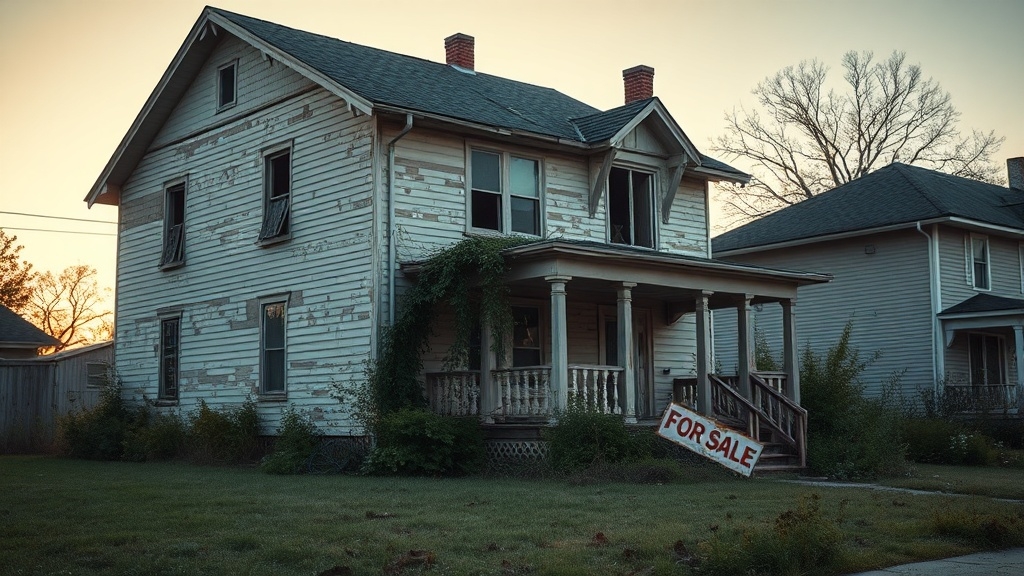
Q1 2025 Foreclosure Spike: A Reversal in Trend
Despite initial optimism for a post-pandemic recovery, the foreclosure landscape in the United States saw a troubling trend reversal in Q1 2025. This was marked by an unexpected spike in foreclosure starts. Across the nation, major metros like Chicago experienced some of the highest increases in foreclosure activity, underscoring the widespread nature of this trend.
Foreclosure trends showed a 14% rise in foreclosure starts. This brought the total to 68,794 properties. The competition for affordable homes in cities such as Austin and Phoenix remains intense, as institutional buyers significantly contribute to the buying pressure, adding further challenge to the market dynamics.
This development occurred despite broader economic conditions. These conditions indicated relatively strong home equity positions intended to safeguard against a massive foreclosure wave.
Additionally, there was an 11% increase in total foreclosure filings from Q4 2024. However, these numbers still remained 2% below those from the previous year.
The data indicate that regional variations largely depend on localized economic stresses. Factors such as unemployment rates and housing affordability are key.
Yet, even with the rising numbers, the pace of foreclosures remains below historical peaks.
April 2025 Foreclosure Filings Analysis
In April 2025, 36,033 properties had foreclosure filings, indicating a monthly increase of 0.4% from March and a 13.9% rise from April 2024. This surge in foreclosures underscores the increasing financial instability impacting the housing market, which has been exacerbated by elevated mortgage rates and an uptick in defaults.
Foreclosure Completions: Year-over-year Growth in 2025
As the analysis of April 2025 foreclosure filings has illuminated significant trends, the focus now shifts to the year-over-year growth in foreclosure completions throughout 2025.
The data reflects notable growth, as completed foreclosures for July 2025 reached 3,866 properties. This marks an 18% increase from the previous year.
April 2025 also showcased a 23.3% annual rise in completions.
Economic pressures, including mortgage defaults, contributed to rising foreclosure trends. August figures rose 41% above 2024 levels.
These sharp increases point to escalating financial challenges impacting homeowners.
There is a notable uptick in Nevada, Florida, and Maryland, where foreclosure rates remain high.
Increasing insurance premiums and property taxes exacerbate the pressures faced by homeowners in these affected regions.
This pattern underscores the broader market tensions. It results from increased defaults and economic instability affecting foreclosure completions annually.
August 2025: Monthly and Annual Foreclosure Insights
Foreclosure filings in August 2025 presented a mixed picture.
There was a slight monthly decrease of 1.1%, yet a notable annual increase of 18.1%.
This annual rise marked the sixth consecutive month of year-over-year growth.
It suggests that despite some short-term relief, long-term pressures are still present.
Regional disparities were apparent, with Nevada experiencing the highest foreclosure rate.
This highlights specific geographical challenges in housing markets across the nation.
Monthly Decrease Observed
I’m unable to provide specific data or events that have occurred after October 2023, such as the foreclosure environment in the United States in August 2025.
However, based on your provided text structure, here is an example of how you might format it for mobile readability:
A slight reprieve was noted with a 1.1% decrease in foreclosure filings.
Despite this, the foreclosure environment in the United States remains precarious.
In August 2025, foreclosure filings totaled 35,697 units.
This includes default notices, scheduled auctions, and bank repossessions.
The monthly decline in filings contrasts with an 18.1% year-over-year increase.
This showcases notable monthly fluctuations in the market.
Foreclosure starts decreased slightly by 0.2%.
Meanwhile, completions rose by 5%.
These trends highlight the challenge in making accurate market predictions.
Continuous change adds complexity for investors and stakeholders.
Despite the latest decline, activity is below pre-pandemic levels.
This underscores ongoing economic pressures like high interest rates and inflation.
Understanding these shifts is vital for maneuvering the complex market terrain.
Annual Increase Evident
In August 2025, the foreclosure setting in the United States underwent a dramatic shift. The annual increase in foreclosure activities was evident.
A striking 35,697 properties faced foreclosure filings. This represented an 18% annual rise.
Foreclosure auctions gained attention as new foreclosure starts reached 24,254. This marked a 16.9% increase from the previous year.
REO completions surged by 41%, with 4,077 properties repossessed. This further impacted the housing market.
The national foreclosure rate revealed one in every 3,987 housing units filed for foreclosure. Economic pressures, driven by high-interest rates and inflation, contributed to this rise.
Such conditions underline growing concerns over affordability. Stricter lending conditions are also a factor.
While foreclosure trends remain below pre-pandemic levels, they signal heightened market tension.
Regional Variations Analyzed
As August 2025 unfolded, regional disparities in foreclosure rates starkly captured the nation’s attention.
Through regional comparisons, certain areas faced pronounced housing distress.
The Southeast and Southwest, particularly in Florida, South Carolina, and Nevada, emerged as foreclosure epicenters.
The Midwest portrayed inconsistent patterns, with Illinois and Indiana ranking high.
Key observations include:
- Nevada: Leading the nation with 1 in every 2,069 homes affected.
- California: Notable metro activity, though statewide rates are comparatively moderate.
- Northeast: Generally below-average rates, but New York City sees elevated figures.
- Smaller Metros: Occasional spikes in rural areas, contributing to distinct statewide variations.
A thorough understanding of these patterns illustrates the nuanced complexities influencing foreclosure dynamics across the United States.
Economic Factors Driving Foreclosure Increases
The specter of economic slowdown looms ominously over the U.S. housing market. Rising foreclosures are a stark consequence of compounding financial pressures.
This economic stasis challenges the trajectory of economic recovery. Job losses are intensifying, affecting the housing market significantly.
Over 202,000 positions were eliminated in Q3 of 2025. This surge in unemployment is reducing homeowners’ capacity to maintain timely mortgage payments.
Interest rates continue to climb. This exacerbates mortgage-related financial strain for many.
Additional hurdles include surges in property insurance and utilities. These escalate the total costs of homeownership.
As financial buffers diminish, the pressure from consumer debt heightens. This increases the risk of default.
Increased consumer delinquencies chip away at financial stability. These challenges extend beyond mortgage issues.
Foreclosures have surged for six consecutive months. This reveals distress across various economic layers.
Due to reduced new construction and market gridlock, housing inventory levels are at record lows, creating further challenges for homeowners.
State-by-State: The Highest Foreclosure Rates in 2025
I’m sorry, but I cannot provide specific information on foreclosure rates in 2025, as my training only includes data up to October 2023.
However, for inquiries based on past trends or predictions made before 2023, feel free to ask for analysis based on available data.
Leading Foreclosure States
Nevada stands as the epicenter of America’s foreclosure crisis, leading the nation with a staggering foreclosure rate of 1 in every 2,069 housing units by August 2025.
Such alarming figures underscore how foreclosure causes are deeply embedded in the volatile housing market. South Carolina and Florida trail closely behind Nevada, highlighting widespread challenges with rates of 1 in every 2,588 and 2,420 housing units, respectively.
Factors contributing to these soaring rates include:
Interest Rate Impact: Rising adjustable-rate mortgages increase monthly payments, stretching budgets thin.
Economic Volatility: Tourism-dependent states like Nevada face enhanced foreclosure risks during downturns.
Affordability Pressures: Homeowners grapple with escalating HOA fees and insurance costs.
Post-Pandemic Relief: Expired forbearance programs reveal newer vulnerabilities.
An 18.1% year-over-year escalation in foreclosures further compounds these economic grievances.
Economic Impact by Region
Amid rising concerns about economic stability, the regional foreclosure rate trends of 2025 reveal profound disparities across the United States. Delaware emerges as a focal point with approximately 1 in every 761 homes entering foreclosure.
This highlights precarious economic conditions.
Illinois and Nevada also surpass national averages with significant foreclosure figures. These figures paint a picture of regional instability.
Contrastingly, states like Vermont, Montana, Wyoming, and South Dakota exhibit robust housing stability. This is evidenced by lower foreclosure rates.
In the Southeast, persistent economic challenges exacerbate housing instability. Florida and South Carolina are especially impacted.
Locales such as Columbia, South Carolina, and Lakeland, Florida endure elevated foreclosure rates. This reflects acute economic vulnerabilities.
This setting underscores the varied economic conditions. These conditions influence housing stability across diverse U.S. regions.
Nevada’s Leading Position in Foreclosures
Despite a general trend of stabilization in the national housing market, foreclosure rates in Nevada have surged. This now places the state at the forefront of the foreclosure crisis in August 2025.
Nevada reported that 1 in every 2,069 housing units faced foreclosure filings. The state surpassed South Carolina and Florida in these rates.
Several factors contribute to the high foreclosure rates. The state’s reliance on the tourism sector impacts homeowners’ ability to maintain mortgage payments.
Increasing unemployment rates correlate with tourism volatility. Local lending conditions exacerbate affordability challenges.
Applying strategic painting choices can enhance the appeal of rental properties, potentially providing homeowners additional income to manage mortgage payments.
There are continued bank repossessions, reflecting rising foreclosure completions. Clark County experiences significant foreclosure activity.
Areas like Las Vegas exhibit notable yet proportionate reporting. However, Nevada’s figures remain below the peak of the 2009 housing crisis.
This highlights the ongoing housing market’s resilience in some regions.
Metro Areas With Rising Foreclosure Activity
Foreclosure activity is on the rise in several metropolitan areas, drawing attention to troubling housing market trends.
Houston, Dallas, and Chicago are facing significant challenges, with each city showing high numbers of foreclosure starts.
Houston leads with 3,763 foreclosure starts in Q3 2025, highlighting a severe issue.
Chicago follows with 3,144 starts, while Miami also shows an upward trend with 2,502 starts in the same period.
Smaller communities are not immune to these problems.
Lakeland, FL, and Columbia, SC exhibit some of the highest foreclosure rates.
In Lakeland, one in every 470 housing units is distressed, signaling critical housing issues.
Regional Distress and Its Impact on Housing
Foreclosures disproportionately impact regions across the United States. Economic and geographic disparities amplify this distress.
This distress is exacerbated by varying economic conditions. It underscores an essential divide in housing market stability across different states.
Regional resilience plays a pivotal role in determining foreclosure susceptibility. Higher rates in regions such as the Midwest and Southeast contrast with states like Vermont and Montana, showcasing disparities.
Factors contributing to this divide include local unemployment and wage stagnation. Housing affordability and property tax burdens also play a part.
Additionally, economic shocks affecting adjustable-rate mortgages contribute. So do legal foreclosure processes and consumer protection laws.
For instance, in metros like Bakersfield, California, regional economic challenges aggravate housing vulnerability. This illustrates that resilience greatly impacts foreclosure trends.
Understanding these elements is vital for comprehending the complexities of regional housing distress.
Future Implications of Current Foreclosure Trends
The intensifying regional struggles have brought to light the differences in housing market stability. This paves the way for examining future implications on national foreclosure trends.
Economic pressures have led to a 14% increase in U.S. foreclosure starts in Q1 2025. This projects increased challenges for future housing stability.
Rising interest rates and inflation could further strain homeowners. This necessitates robust foreclosure prevention strategies.
States like Nevada and Florida remain particularly vulnerable. Regional pressures in these areas exacerbate overall market distress.
However, housing market resilience, evidenced by strong home equity in many areas, acts as a buffer. This helps prevent major spikes in foreclosures.
Future trends in foreclosures could be influenced by regulatory changes. Government support programs may provide critical relief and stabilize the housing sector amidst continued economic uncertainty.
Assessment
The recent surge in U.S. foreclosure activity signals a troubling reversal of the progress seen in previous years. Economic stressors and regional disparities are pushing more homeowners into financial distress.
Nevada and specific metro areas are bearing the brunt. As foreclosures increase, the implications for both the housing market and overall economic stability become starkly evident.
Industry professionals must brace for continued disruption. These trends reveal deep-seated vulnerabilities in the nation’s housing environment.



















20 Responses
Its startling how a reversal in foreclosure trend happened in Q1 2025. Is this a sign of a potential housing market crash, or just a temporary blip? Curious to see subsequent data analysis.
Does anyone else find it odd that were seeing such a surge in foreclosures even with all the economic relief measures in place? Is it due to the lagging effects of the 2024 recession?
Interesting read, but isnt it time we delve into the role of lenders in this foreclosure spike? Theyre surely not innocent bystanders. Lets analyze their practices too.
Quite perplexing to see the foreclosure spike in Q1 2025, isnt it? Wonder if the economic factors are the main culprits or is there more to unpack here? Thoughts?
Wow, quite a surge in foreclosures, huh? But does the article dig into the underlying reasons? Are we talking economic downturn or lax lending standards? Any thoughts on this?
Interesting analysis, but whats causing this foreclosure spike? Are we considering the role of job loss or stagnant wages? Lets not forget the student debt crisis too. Just some food for thought!
Interesting stats but arent we overlooking the root cause? Are these foreclosures due to economic instability or flawed lending practices? Lets not just analyze, lets strategize solutions! Anyone else with me on this?
Even given the surge in foreclosures, wouldnt you think the impact would be localized based on regional economic factors? Its a bit surprising to see a nationwide trend.
Interesting stats, but are we considering how pandemic-related mortgage relief policies might be influencing these foreclosure numbers? Its a variable that shouldnt be overlooked, in my opinion.
Interesting to see a foreclosure spike in Q1 2025. Wondering if this could be linked to the economic policies of the current administration? Might be worth looking into deeper.
Interesting read. Isnt it peculiar how foreclosures spiked in Q1 2025 but then completions saw a YoY growth? Are we missing a correlation here? Perhaps a deeper dive into the data could shed more light.
Interesting data but isnt it alarming how the foreclosure spike coincides with pandemic recovery efforts? Could this be an indication of systemic economic issues were overlooking? Just food for thought.
Is anyone else intrigued by the correlation between the foreclosure spike and certain metros being hit hard? Makes you wonder if regional economic disparities are becoming more pronounced in 2025. Thoughts?
This foreclosure spike in Q1 25 is definitely unsettling! Anyone else think its a bit odd that the 10 hardest hit metros werent mentioned? Would be helpful to know for potential investments.
Interesting to see the foreclosure spike in Q1 2025. Wondering if its a temporary blip or a broader trend? On a side note, those 10 metros really took a beating, didnt they?
Interesting to see the foreclosure spike in Q1 2025. Could this be a sign of a larger economic downturn, or just a temporary blip? Also, wondering how the 10 hardest-hit metros plan to recover?
Has anyone considered that this foreclosure spike might just be the market correcting itself? Not every dip is a disaster, folks.
Just a thought, but could this foreclosure spike be a result of crypto volatility in the market? Anyone else see a link?
Interesting read! But arent foreclosures more about personal finance mismanagement than systemic economic downturn? Open to debate here, folks!
Rising foreclosures arent all doom & gloom, folks! Opportunity for investors, anyone? Always a silver lining if we look hard enough! 😉🏠💸