
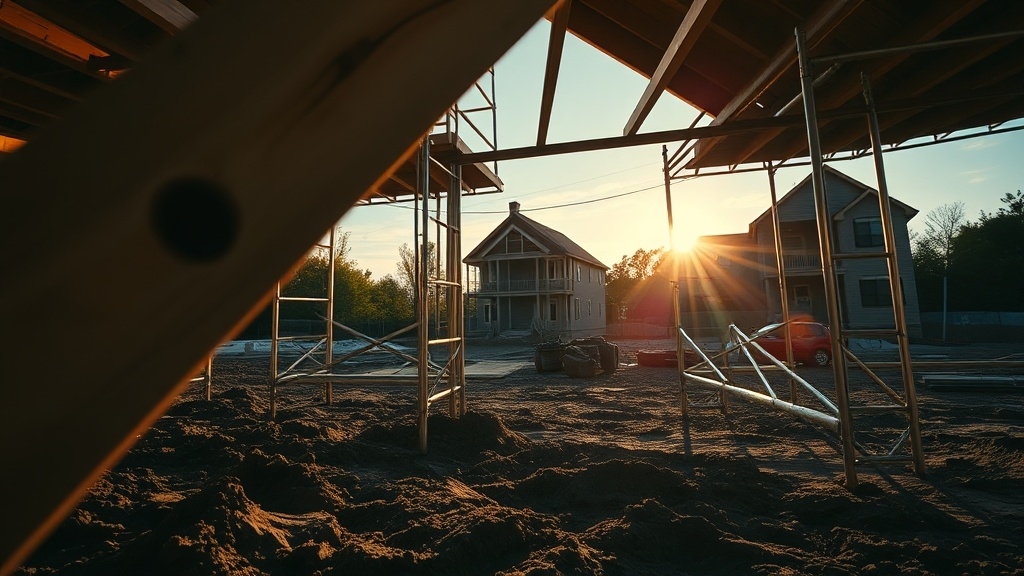
Project Overview and What It Entails
The Wellesley 28-unit development plan represents a transformative real estate project.
It is set to change the scenery of Lower Falls.
Located at 49 Walnut Street, this development will replace existing office buildings. It will introduce a multifamily condominium complex.
This significant investment highlights the growing residential trends. Each unit will have two garage parking spaces, providing ample parking for future residents.
It also marks the shift towards integrated housing solutions.
The project will feature 28 units in total.
Notably, it includes 6 affordable housing options.
Navigating the Approval Process
Navigating the approval process in Wellesley’s evolving real estate landscape is complex and challenging. The zoning regulations necessitate a precise, multi-layered process. This guides developments, like the proposed 28-unit plan, through various administrative stages. Zoning By-law amendments require public meetings organized by the Town Council. These meetings evaluate conformity with broader plans and local compatibility, including detailed zoning map changes. The Planning Board plays a significant role by deliberating over these zoning amendments. They offer recommendations for final Town Meeting votes, balancing community concerns with housing needs. Special permits undergo hearings with the Zoning Board of Appeals. Decisions are documented, with a 20-day appeal window that influences the project approval timeline. Revisions and compliance highlight the importance of early dialogue, in particular addressing traffic studies to mitigate development impact concerns. This can help streamline the approval process for all parties involved.
Community Concerns and Response
Community feedback emerges as a formidable factor following the navigation of the bureaucratic approval process.
Residents voice concerns over increased traffic congestion and potential strain on roads, schools, and utilities.
Anxiety builds around changing neighborhood dynamics. Higher density housing integrates into mostly single-family zones.
Further worries include property value declines, construction disruptions, and environmental impacts.
Resident engagement intensifies in public meetings. Polarized views are revealed.
Calls for transparency arise. There are demands for detailed impact studies and environmental evaluations.
Questions prevail about affordable housing’s repercussions on the socioeconomic fabric.
Critics argue these measures are necessary to combat corporate greed and the artificial inflation of rental prices, emphasizing the importance of fair market practices.
Skepticism extends to parking adequacy and public services.
Political tensions are heightened as governance remains under scrutiny.
Environmental preservation emerges as a key issue. Requests for thorough assessments are made.
The Role of Affordable Housing in Wellesley
Navigating Wellesley’s real estate landscape, affordable housing stands as a vital factor shaping the town’s future. High median home values and rising construction costs present challenges, but strategic efforts focus on enhancing community integration for diverse socioeconomic groups.
With 12% of over 9,000 housing units classified as affordable, opportunities are available. However, they vary due to the complexities of subsidization.
Economic barriers are significant, as the median home value is approximately $1.97 million. This figure greatly exceeds the typical household income, making affordability a challenge.
The Wellesley Strategic Housing Plan advocates for more affordable housing options. It tackles systemic barriers through community-engaged, locally controlled initiatives.
These efforts highlight a commitment to balancing growth with community values. This ensures that affordable housing remains a key component in Wellesley’s transformation.
Implications for Infrastructure and Environment
The proposed 28-unit multifamily condominium project in Wellesley brings key implications for the town’s infrastructure and environment.
An increase in housing density could strain infrastructure by increasing demands on water, sewage, and emergency services. These potential impacts require a careful evaluation to ensure existing facilities can handle the development adequately.
From an environmental perspective, maintaining an ecological balance is crucial, especially given the site’s proximity to conservation areas and floodplain regions. Development plans must include measures to minimize risks to local ecosystems and water resources, adhering to zoning laws and environmental protections.
Adjacent to the Massachusetts Department of Conservation & Recreation land, this project requires heightened scrutiny. It’s essential to maintain ecological integrity and comply with preservation ordinances.
Assessment
The advancement of the Wellesley 28-unit housing project signifies a pivotal moment for the community. It balances growth with concerns over infrastructure strain.
As the proposal inches closer to final approval, it embodies broader regional challenges. These include affordable housing demands and environmental impact.
Neighbors are navigating through uncertainty as they await the project’s implications. Many wonder how it will affect their daily lives and local resources.
This situation highlights a critical intersection of progress and preservation in Wellesley’s development narrative. It’s a delicate balance that all stakeholders are carefully considering.













6 Responses
Doesnt anybody else think the community concerns are just a guise for not wanting affordable housing in affluent Wellesley? Lets be real here.
Or maybe some people value maintaining community aesthetics over socio-economic diversity. Ever considered that?
Isnt it ironic that the same folks opposing the Wellesley plan are the ones who advocate for affordable housing? NIMBYism at its finest.
Perhaps advocating for affordable housing doesnt mean accepting every plan. Critical thinking isnt NIMBYism.
Doesnt anyone else see this 28-unit plan unnecessarily crowding Wellesley? What happened to preserving small town charm over dense development? #SaveOurSuburbs.
Dense development is the future. Adapt or be left behind. #ProgressNotPreservation