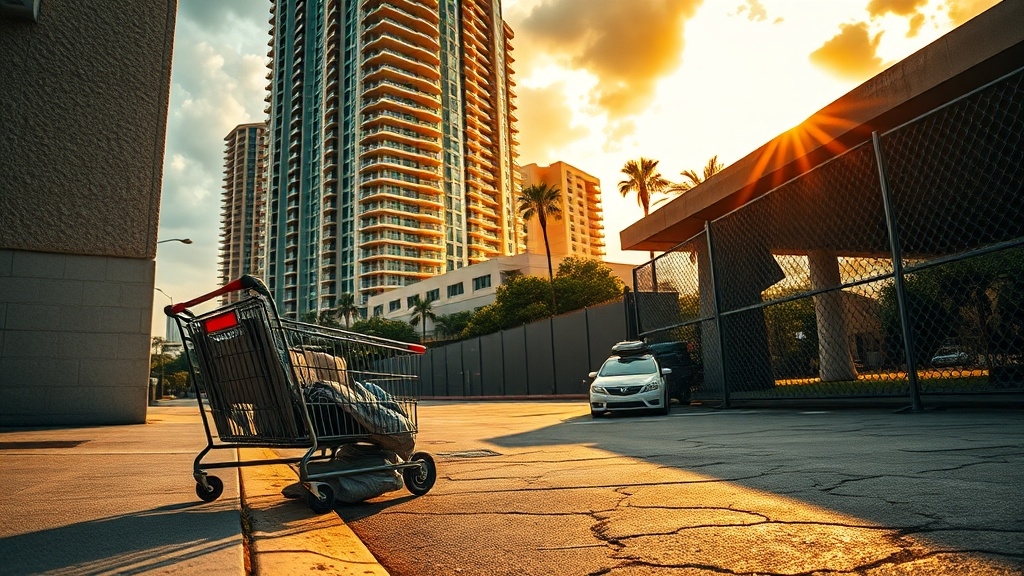
Why the West Palm Beach Housing Crisis Is Worsening
Homelessness is climbing sharply across Palm Beach County as housing costs outrun access to stable shelter.
A point-in-time count found more than 2,100 homeless residents in January, up 15% from a year earlier.
Nearly 300 more people lacked permanent housing, with many sleeping in parks, bus stops, and abandoned buildings.
The highest concentrations were found in West Palm Beach, Riviera Beach, Lake Worth, Delray, and parts of Belle Glade, highlighting countywide hotspots.
Escalating Pressure
Rents in the West Palm Beach area have reached roughly $2,719, far above the national median.
Nearby Boca Raton approaches $2,800, while nonprofits report growing difficulty locating units their clients can afford.
Area median income has risen, but that benchmark is being pushed upward by higher-earning newcomers.
That widens the gap between listed affordable housing rates and what long-time residents can pay.
National housing data suggests the broader market is stalling rather than collapsing, with rising inventory reflecting slower adjustment more than panic selling.
Shrinking Options
City planning documents describe declining supply, displacement patterns, and zoning changes that have not kept pace with need.
How Luxury Development Affects Housing Affordability
Luxury construction reshapes the housing market in ways that remain sharply contested.
Research on market dynamics shows that new high-end apartments can trigger filtering effects across the broader supply. When affluent renters move into new towers, older upscale units open, then mid-priced units follow, easing competition below.
- A 2020 industry study found market-rate construction creates affordable opportunities through vacancy chains.
- A 2021 UCLA review reported broad evidence that new units can reduce neighborhood-wide rent growth.
- Building 100 market-rate homes can create 70 vacancies, including 39 in lower-cost areas.
Critics argue luxury-heavy development can still intensify inequality, raise nearby rents, and leave deep affordability unmet.
In other property markets, elevated vacancy rates and shifting demand for traditional space have increased pressure on developers and investors to rethink project strategies.
The evidence suggests added supply can lower pressure, but affordability gains depend on balance, scale, and complementary public investment.
Why West Palm Beach Workers Are Priced Out
A widening affordability squeeze is pushing West Palm Beach workers beyond the reach of the local housing market.
With county AMI at $104,000, most households earn far less, and homes cost six times median income.
Rents near $2,500 in West Palm Beach mean many households spend over 50% of income on rent, a level widely considered unsustainable.
This imbalance has intensified beyond housing-bubble levels.
At the same time, wage stagnation limits mobility for essential workers.
| Metric | West Palm Beach | Effect |
|---|---|---|
| Average rent | $2,500 | Cost burden |
| Home-price ratio | 6x income | Ownership blocked |
Workers in hospitality, health care, and trades increasingly leave for cheaper regions offering competitive pay.
That migration weakens young retention, especially among residents ages 20–29.
Others are forced into long commutes or shared apartments.
What Affordable Housing Projects Are Planned?
Several affordable and workforce housing projects are moving forward across West Palm Beach and nearby Wellington. Officials and developers are responding to mounting displacement pressures.
In Wellington, NuRock plans two fully affordable communities on Seminole Pratt Whitney Road. Residences at Country Grove will add 106 apartments for families earning 30 percent to 80 percent of area median income.
The development will include two-bedroom and three-bedroom layouts.
In West Palm Beach, The Spruce Project recently broke ground in Northwood Village. The $50 million development will deliver 270 workforce apartments near downtown.
Amenities will include a co-work lounge, fitness center, rooftop pool, and cafe.
The West Palm Beach Housing Authority also has more than 500 units in development. These include Henrietta Townhomes and Roseland Gardens.
At the same time, the city is pursuing its 1400 in 8 production goal.
What Could Ease West Palm Beach’s Housing Crisis?
Multiple strategies could ease West Palm Beach’s housing crisis, but officials and service providers are placing the greatest emphasis on faster rehousing, interim shelter expansion, and more coordinated homeless services.
County agencies are enlarging rehousing programs, transitional sites, and coordinated entry to identify people quickly and connect them with housing and care.
A new 60-plus-bed Housing Resource Center in Lake Worth Beach adds short-term shelter, education, and employment help.
Pressure Points
The city is also relying on Housing First practices, permanent supportive housing, and one-time financial aid to prevent evictions and shorten homelessness.
Programs already placed 40 chronically homeless residents into permanent homes.
Longer-term relief may depend on streamlining development, zoning reform, more affordable supply, and rent vouchers for struggling households.
Officials also point residents toward 211, LIHEAP, CareerSource, and room-sharing options.
Assessment
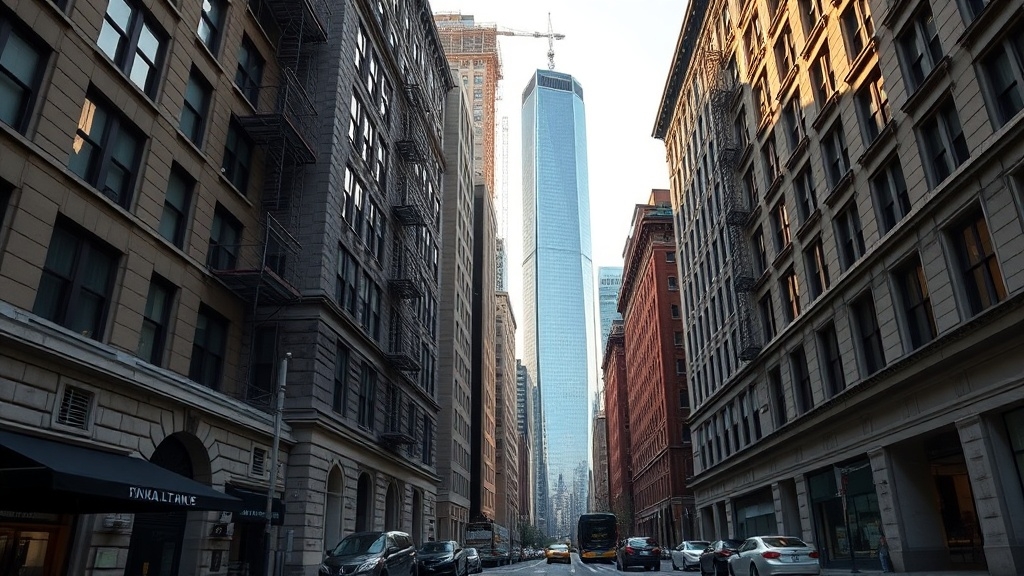
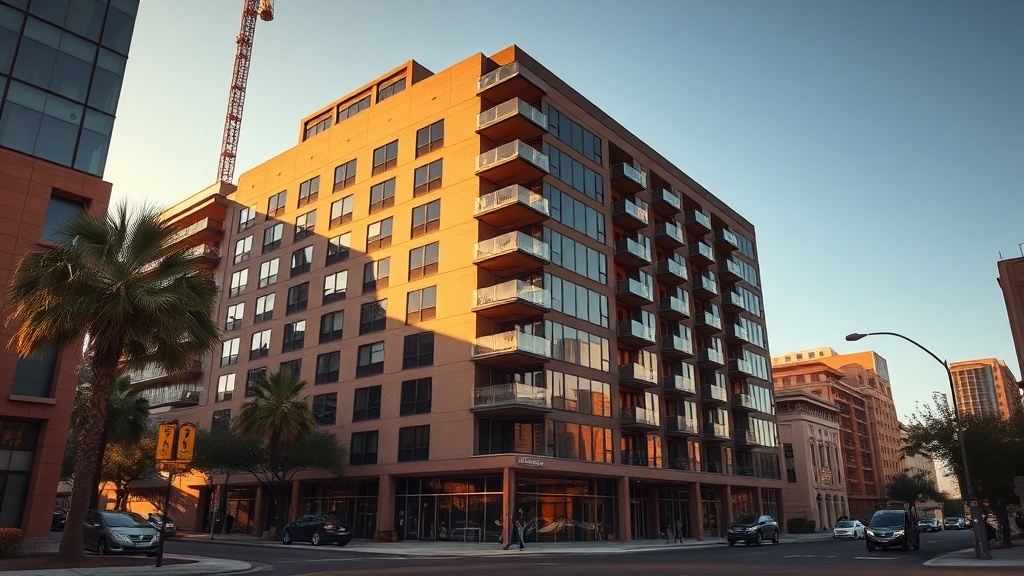
West Palm Beach’s housing crisis is intensifying as luxury towers reshape the skyline. Moderate-income residents face shrinking housing options.
Rising rents, elevated home prices, and limited workforce housing are pushing many workers farther from the city they serve.
Planned affordable projects may offer partial relief. But supply remains far below need.
Without faster production, stronger affordability safeguards, and better alignment between growth and local wages, displacement pressures are likely to deepen across the West Palm Beach market.