
Shifts in Home Value Trends
Wichita’s housing market has taken a decisive turn. It now presents a complex setting of moderate price increases and shifting dynamics.
Current and projected home value trends reveal neighborhood variances. These variances notably shape the local scenery.
Some areas experience higher demand, inflating home values. Other neighborhoods offer more affordable options, contributing to overall price stability. Adding to these dynamics, contributions come from significant proximity to educational facilities, bolstering property values in these nearby areas.
Median home prices in Wichita rose to around $279,900 in February 2024. This showcases a market in gradual ascension.
Forecasts indicate home values will continue an upward trajectory. An 8% increase is projected for 2024, with a 7.7% rise in 2025.
Such diverse patterns across the city highlight the need for buyer vigilance. Analyzing neighborhood-specific data is crucial to navigate Wichita’s real estate environment effectively.
Surge in Inventory Levels
Unexpectedly, the housing inventory in Wichita is expanding at an accelerated pace. Active listings rose by 18.5% year-over-year, reaching 1,784 in April 2025. New home construction is projected to modestly increase by 4.9%, adding 1,285 units. Meanwhile, multifamily completions are 30% above the 10-year average. This surge results from elevated construction activity since 2022. The increased building is boosting the inventory pipeline significantly. In contrast to national trends of limited inventory, Wichita experiences a well-supplied market due to recent construction booms. With approximately 890 units in the multifamily construction pipeline, this expansion represents 2.3% of existing inventory. As a result, inventory management challenges emerge. Growing listings enhance buyer preferences, offering more choices and cooling the previously intense seller’s market. Despite swelling inventory levels, home values in Wichita are forecast to increase. An expected rise of 7.7%-8% is anticipated through 2025. Buyers benefit from the improved supply, which aligns with a shift toward more balanced market conditions. This change offers them greater options and a potentially more stable environment.
Changing Buyer and Seller Dynamics
As market forces continue to shift dramatically, buyer and seller dynamics in Wichita’s real estate arena undergo significant transformation.
Rising mortgage interest rates reshape buyer preferences. They nudge individuals toward cash sales and affordable, move-in-ready properties.
This trend, paired with a competitive market dominated by a persistent low inventory, prompts sellers to optimize their strategies.
Despite an 18.5% year-over-year rise in active inventories, sellers leverage sustained competition. This helps them maintain favorable positions.
Strategies such as adopting cash transactions and expecting continued home appreciation remain pervasive.
Buyers seek quick, as-is home purchases. Cash transactions are on the rise, driven by investor activity.
Steady home appreciation supports seller expectations. Moderate supply growth sustains competitive dynamics.
Rising taxes and insurance affect long-term buyer decisions.
Multifamily Construction Boom
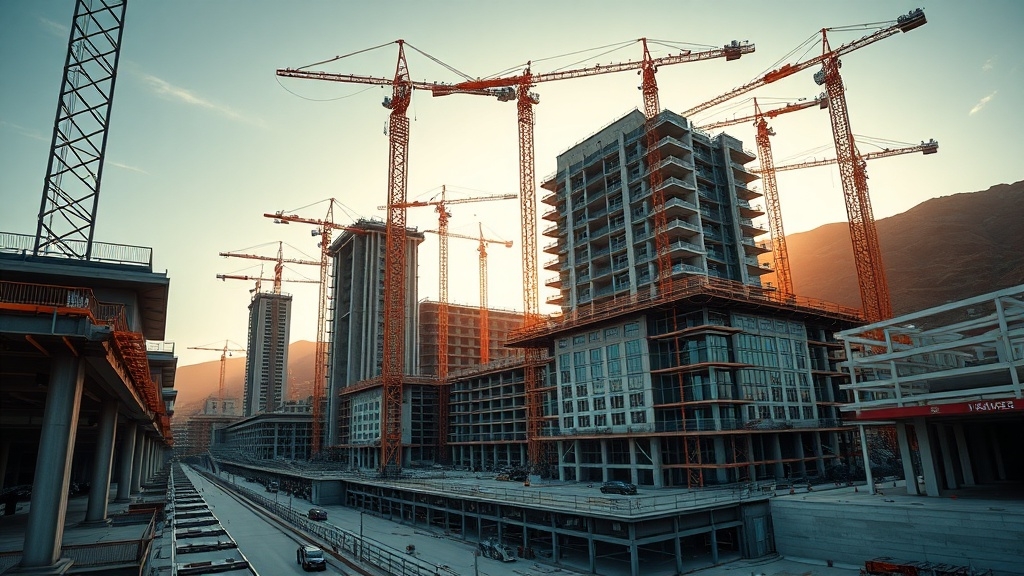
Fueling an unprecedented transformation in Wichita’s skyline, an influx of multifamily construction is redefining the local real estate environment.
Nearly 1,700 multifamily units have been completed since 2022. The pipeline currently stands at 890 units, representing 2.3% of existing inventory.
This boom surpasses past trends and sets a precedent for future projects. Net absorption rates indicate robust demand despite increased supply.
In the previous year alone, 872 units were absorbed. Leasing trends reveal a stabilized yet cautiously optimistic market.
Investments in multifamily structures remain attractive. These developments offer investors strategic opportunities within Wichita’s shifting housing environment.
Continued moderate growth through 2025 presents fertile ground for innovative investment strategies. This is especially significant amid national construction challenges.
Additionally, a surge in multifamily deal volume in markets like Denver reflects a broader trend of revitalized investor confidence in dynamic urban areas.
Long-Term Market Forecast
In Wichita’s evolving real estate market, conditions are set for a significant shift over the next few years. Long-term demand is projected to stabilize, aligning with historical norms.
Home values are steadily increasing. This supports sustained buyer interest.
As supply equilibrium approaches, the inventory imbalances will lessen. Occupancy rates are predicted to dip slightly and recover post-2025.
Key factors impacting the long-term forecast include stable demand, which continues to drive market growth. Home value appreciation reflects ongoing, moderate increases.
Subdued construction activity post-2025 could ease supply pressures. Economic policies and developments influence supply-demand dynamics.
As seen in other urban areas, a rise in multi-family housing has created new opportunities for both investors and renters, potentially affecting Wichita’s market trends in the same way.
Inventory expansion in 2025 will impact short-term supply but ease pressures long-term.
Cautious optimism prevails, with future market stability dependent on balancing demand and supply dynamics.
Assessment
The Wichita real estate market is undergoing significant shifts. Rapid transformations in home value trends are noticeable.
Increasing inventory levels and evolving dynamics between buyers and sellers signify a cooling period in the market.
Multifamily construction is booming. This addition brings another layer to an already complex picture.
Long-term market forecasts remain uncertain. This uncertainty raises concerns and drives caution among stakeholders.
As the frenzy subsides, industry professionals must be diligent. They need strategic foresight to adapt to the unpredictable environment ahead.





















8 Responses
Is this Frenzy Cool just a market correction or a sign of another housing bubble? Could the multifamily boom be to blame? Thoughts?
Interesting read, but isnt multifamily construction boom actually providing affordable housing? Maybe the inventory swell isnt all negative. Just a thought… 🤔
Anyone else think the flipping frenzy was a bubble waiting to burst? More multifamily buildings, less flipping, seems like a healthy shift to me!
Healthy shift? More like a ticking time bomb. Overcrowded buildings, anyone?
Hey folks, maybe its just me, but isnt the Wichita flip flop more about market dynamics than a multifamily construction boom? Thoughts? 🤔🏠📉
Market dynamics? Perhaps, but cant ignore the multifamily boom either. Its a dual-factor game, my friend! 🎲🏗️
Just my 2 cents, but isnt this multifamily construction boom just inflating the inventory bubble? Are we risking another 2008 crash scenario here?
Boom or bubble, its all about perspective. Risk is inherent in growth. Remember, no guts, no glory.