Key Takeaways
- The $70M mixed-use project in Broad Ripple Village will add 225 apartments and 25,000 square feet of retail space, creating a modern urban hub.
- Indianapolis’s multifamily market is seeing strong demand, with rental vacancies below 4.5%, and steady growth in tenant interest.
- Walkable, culturally vibrant neighborhoods like Broad Ripple are gaining long-term investor attention, particularly for buy-and-hold strategies.

Indianapolis, IN – A major new development is coming to the heart of Indianapolis’ Broad Ripple Village.
The $70 million mixed-use project, approved this week, will reshape a key section of the city’s north side and bolster investor confidence in the neighborhood’s long-term appeal.
Modern Living Meets Walkable Urban Core
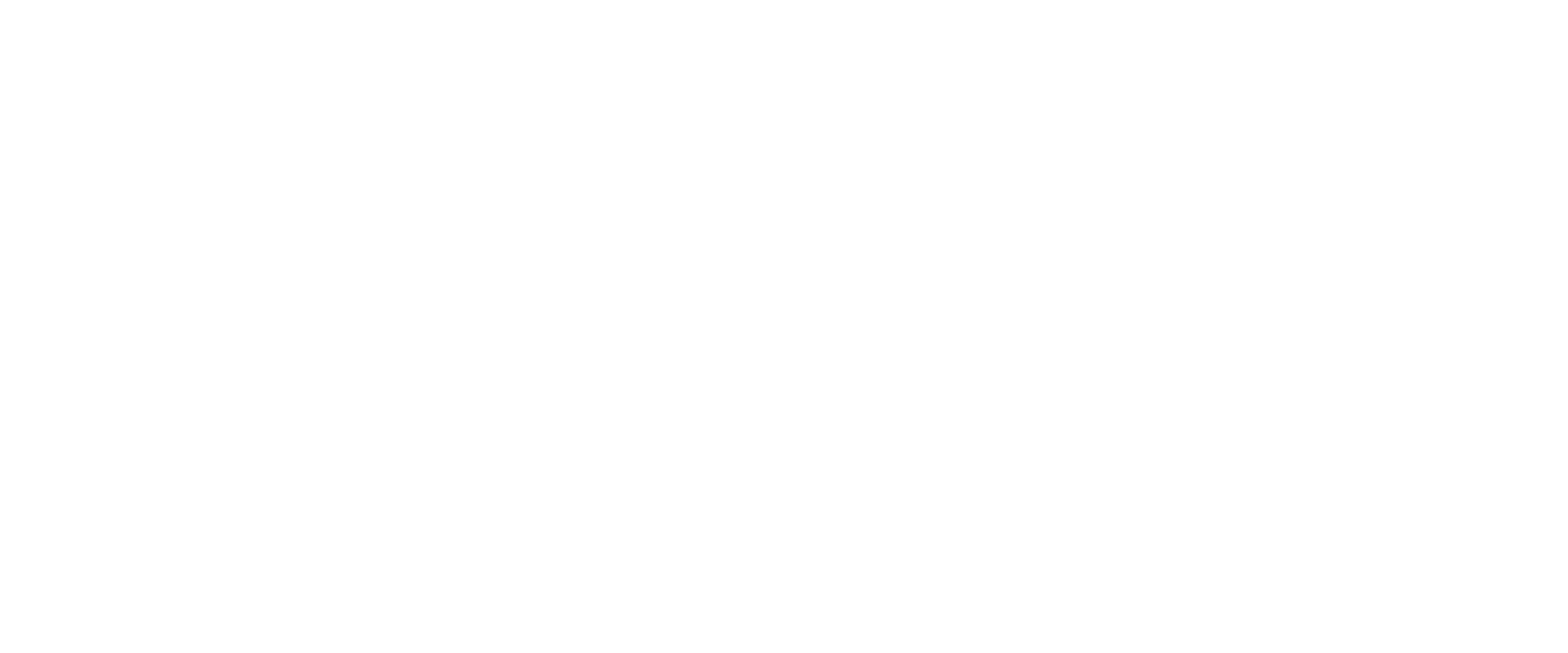
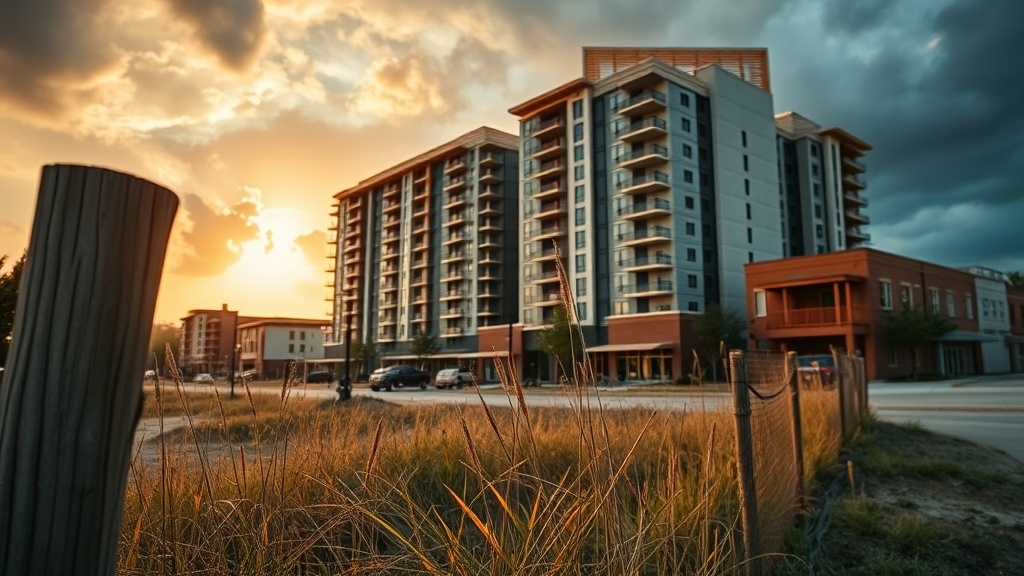
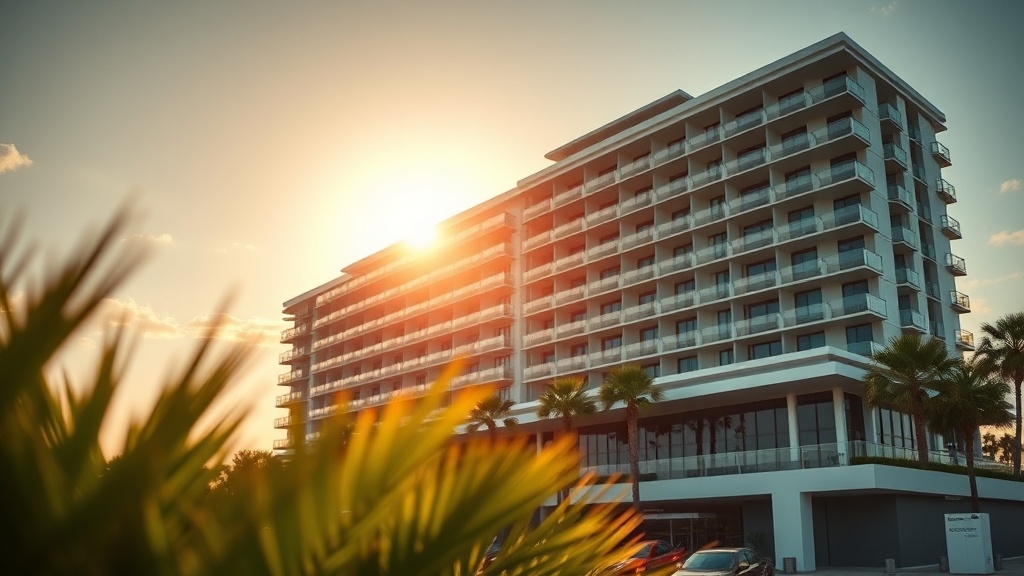
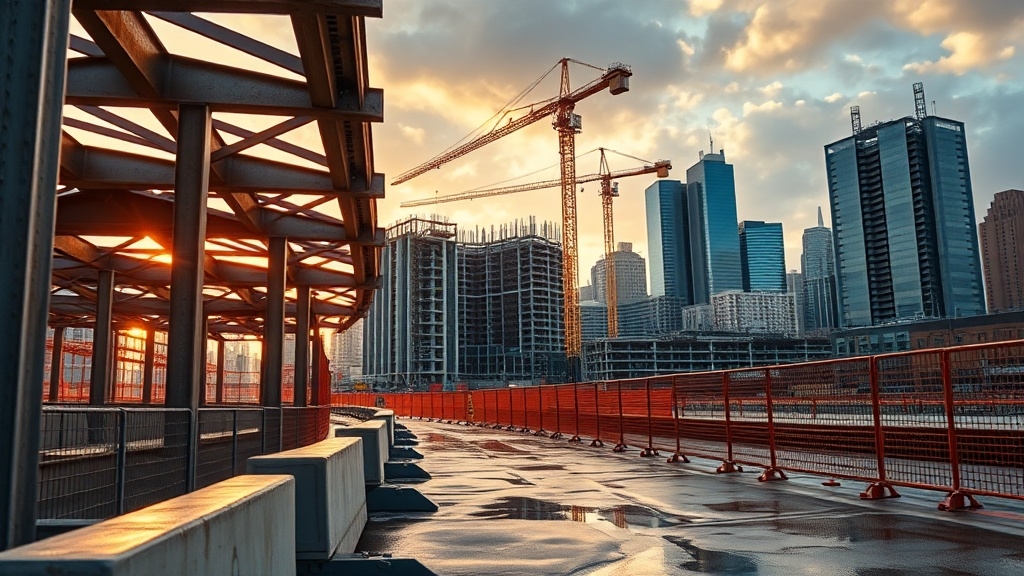
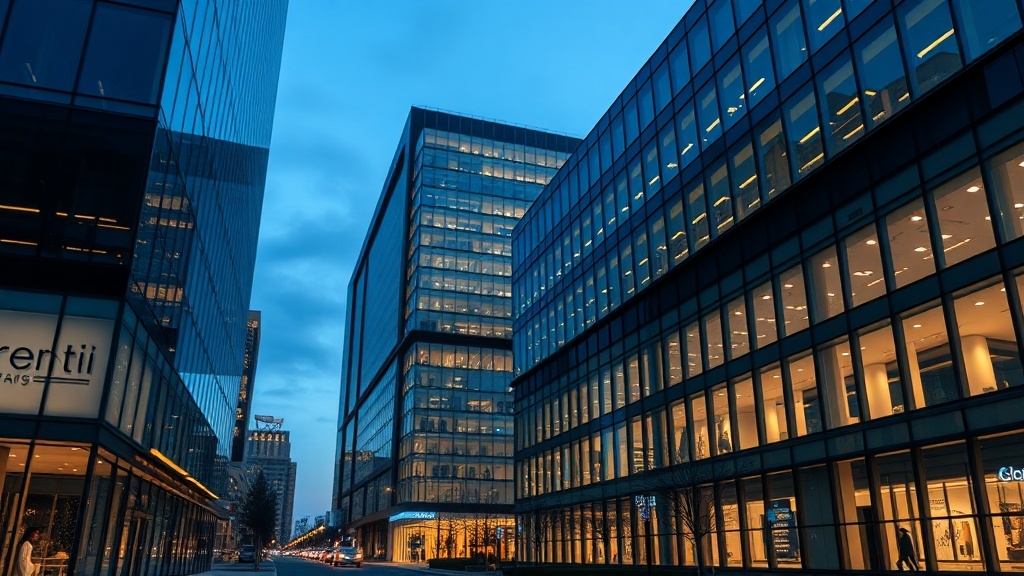
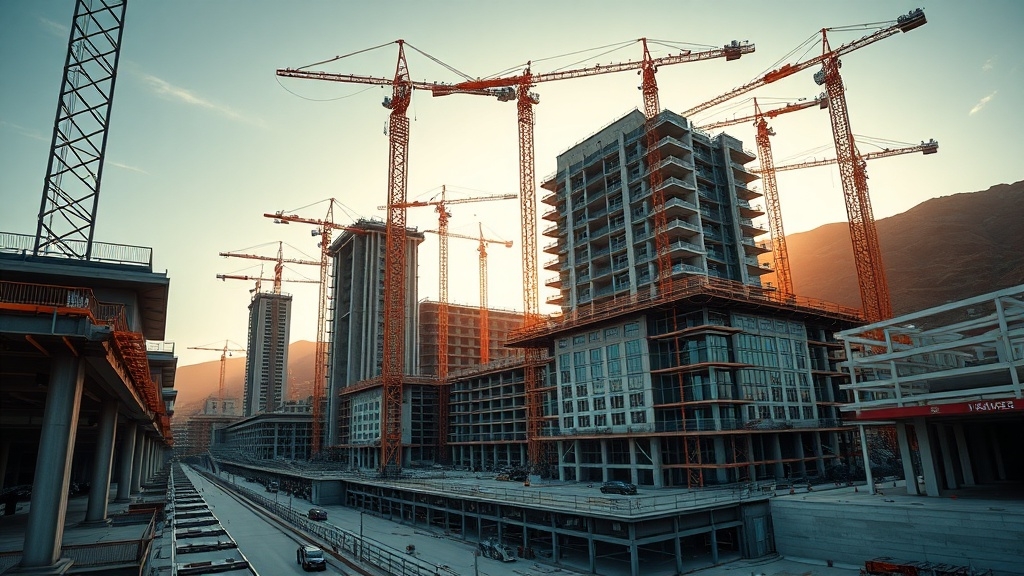
The new development, led by local firm Milhaus and backed by national real estate investors, will include 225 apartment units, over 25,000 square feet of ground-level retail, and structured parking.
Located along College Avenue, the site is primed for success due to its walkability, nightlife, and growing young professional population.
This aligns with current buy-and-hold strategies, as investors seek stable, long-term assets in livable urban districts.
Rising rents and low multifamily vacancy rates — currently under 4.5% citywide — support the project’s strong income potential and value growth.
Indianapolis Multifamily Sector Gaining Momentum
Broad Ripple’s blend of charm, culture, and convenience has been drawing increased developer interest.
With Indianapolis experiencing one of the Midwest’s fastest-growing populations and rental demand outpacing supply, well-located apartment projects are becoming essential components of investor portfolios.
Cap rates remain appealing, hovering near 6.1% for stabilized multifamily assets.
The Rise and Reckoning of Indianapolis Real Estate
Indianapolis has been on a decade-long roller coaster ride that would make even the boldest investor grip their seat.
What started as a quiet, affordable Midwestern market quietly evolved into one of the nation’s most intriguing real estate stories.
Over the past ten years, this city has experienced a perfect storm of economic recovery, population growth, and sudden shifts in investor sentiment.
But along the way, Indy’s real estate market has faced moments of both triumph and turmoil, with each new phase creating ripples that are still felt today.
The early 2010s saw Indianapolis emerge from the shadow of the Great Recession, attracting bargain-hunters who spotted potential in the city’s undervalued properties.
At first, it seemed too good to be true: a city with solid infrastructure, steady job growth, and a burgeoning downtown scene — all at a fraction of the cost of coastal markets.
As investors and developers poured in, prices climbed steadily, igniting a building boom that redefined entire neighborhoods.
Once-sleepy areas like Fountain Square and Fletcher Place became hotbeds of redevelopment, luring in young professionals, entrepreneurs, and out-of-state buyers.
But then, as the market soared, challenges began to surface.
By the mid-2010s, a wave of speculative buying started to inflate property values beyond what many local families could afford. Evictions spiked, rent escalated, and tensions simmered.
While new luxury apartments seemed to spring up on every corner, affordable housing struggled to keep pace.
For every high-profile development, there were murmurs of discontent: longtime residents displaced, historic buildings torn down, and a creeping fear that Indianapolis was losing the very character that once drew people to it.
As the decade marched on, new trends emerged.
The rise of short-term rentals reshaped entire neighborhoods, driving up demand and squeezing traditional renters.
The pandemic years brought yet another twist, sending some urbanites fleeing to the suburbs while drawing a surprising number of new residents looking for more space and less cost.
The city’s commercial sector weathered its own upheaval, with office vacancies rising even as industrial properties surged in value.
Today, Indianapolis stands at a crossroads. It’s a city that has both benefited and suffered from its popularity.
Investors and developers now face a market that’s matured, with fewer easy wins and a heightened need for thoughtful, community-centered planning. In the past decade, Indianapolis evolved from an overlooked gem into a booming market, but that journey came with growing pains.
The next chapter for this city will be defined not just by new projects and rising prices, but by how it balances growth with inclusivity, development with preservation, and profit with purpose.
Assessment
Broad Ripple’s upcoming transformation represents a key moment for Indianapolis real estate.
With strategic location, modern amenities, and surging tenant interest, this project highlights the city’s emergence as a Midwest hotbed for multifamily investment.
Long-term investors focused on income and appreciation should take note of this neighborhood’s momentum.
No related posts.









6 Responses
Sure, $70M is a big investment, but isnt this just gentrification in disguise? What about the existing communitys needs and wants?
Is this $70M project just a gentrification move? Broad Ripple has its charm, why overhaul it with modern living? What about local businesses?
Does anyone else feel like this $70M project might just gentrify Broad Ripple and push out the locals? Not all progress is good, folks.
Progress is inevitable. The locals should adapt, not resist. Change is good.
70M on Broad Ripple? Sounds like overkill. Since when did walkable urban core equate to modern living? Indys real estate is already booming, isnt it?
Walkable urban cores are the future. Broad Ripples investment is justified. Its evolution, not overkill.